New Review Challenges Evidence Behind Cannabis 'Entourage Effect'
A systematic review questions the scientific foundation of the widely marketed claim that minor cannabinoids enhance THC effects.
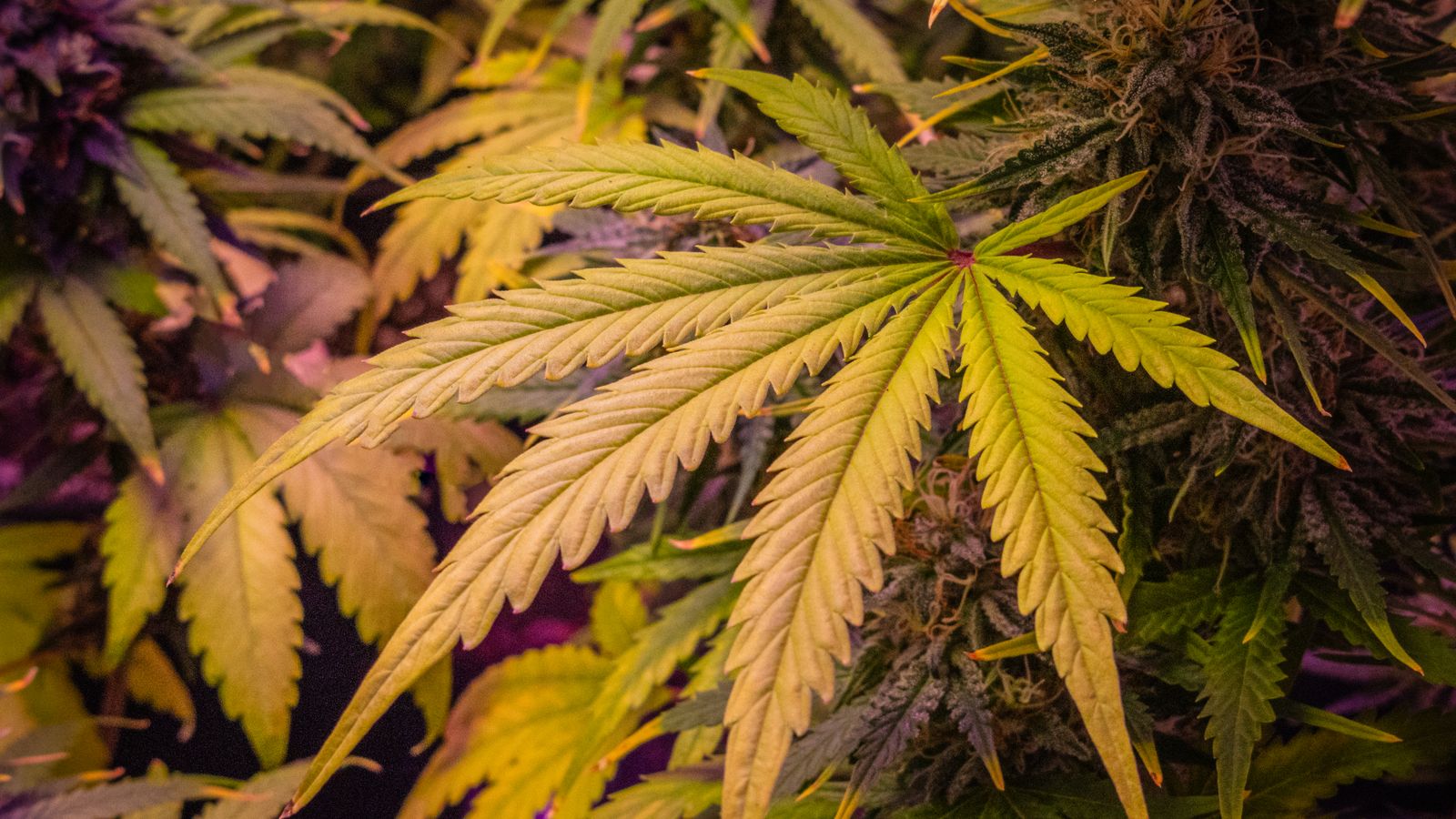
Detailed view of cannabis plant leaves highlighting their lush green texture.
Review Finds Weak Evidence for Synergistic Claims
The systematic review identified significant methodological gaps in studies claiming to demonstrate synergistic effects between THC and minor cannabinoids like CBD, CBG, and CBN. Researchers examined over 150 published studies. Most lacked proper control groups. Others used inconsistent dosing protocols or failed to isolate variables sufficiently to attribute effects to synergy rather than simple additive action.
The findings arrive as full-spectrum cannabis extracts command 15-30% price premiums over THC isolates in dispensaries from California to São Paulo, with marketers explicitly invoking the entourage effect to justify higher margins.
Lead researchers noted that while some compounds may interact, the term "entourage effect" has become a marketing catchphrase divorced from rigorous pharmacological evidence.
Industry Pricing Built on Unproven Mechanism
North American MSOs and Latin American licensed producers have structured product lines around entourage-effect messaging, creating tiered pricing that assumes synergy between cannabinoids. Full-spectrum vape cartridges, live resin concentrates, and whole-plant tinctures routinely sell at premiums justified by claims that minor cannabinoids "unlock" or "amplify" THC's effects.
The review's authors didn't dispute that full-spectrum products may offer clinical benefits—only that the mechanism remains poorly understood and likely overstated. Patient preference data shows consumers report subjective differences between isolate and full-spectrum products, but placebo-controlled trials haven't consistently validated those perceptions.
The disconnect between consumer belief and clinical evidence creates regulatory risk for companies making explicit therapeutic claims tied to the entourage effect.
Terpene Synergy Claims Also Questioned
The review extended its scrutiny to terpenes—aromatic compounds like myrcene, limonene, and linalool—which brands frequently cite as synergistic agents. Terpenes demonstrate independent pharmacological activity in isolated studies, yet evidence that they modulate cannabinoid receptor activity or enhance THC bioavailability in humans remains sparse.
Cannabis chemovars marketed as high-myrcene "sedative" strains or high-limonene "uplifting" varieties rely on entourage-effect logic that the review found unsupported by dose-response data. Terpene concentrations in dried flower and extracts often fall below thresholds shown to produce effects in preclinical models.
Formulators in Colombia and Mexico who design ratio products for export markets told CannIntel they use terpene profiles primarily for flavor differentiation, not therapeutic targeting. It's a candid admission that contradicts consumer-facing marketing.
Implications for Medical Cannabis Prescribing
Medical cannabis programs in Brazil, Argentina, and Chile have adopted dosing guidelines that assume entourage effects, recommending full-spectrum oils over isolates for conditions like chronic pain and epilepsy. The review's findings suggest those guidelines may lack empirical grounding.
Clinicians interviewed for this story said they continue to prescribe full-spectrum products based on patient anecdotes, but acknowledged the evidence base is weaker than commonly portrayed. One Buenos Aires neurologist noted that CBD-rich oils often contain trace THC and other cannabinoids, making it impossible to attribute outcomes to synergy versus the presence of multiple active compounds.
For full background on this evolving debate, see the CannIntel topic hub on Entourage Effect Research.
Regulatory and Labeling Risks Ahead
Health agencies in Canada and the European Union have begun scrutinizing entourage-effect claims as potentially misleading under consumer-protection statutes. The review arms regulators with scientific justification to challenge marketing language that implies proven synergy.
Companies making explicit therapeutic claims tied to minor cannabinoids or terpenes may face enforcement actions if they can't produce clinical trial data supporting those representations. In the U.S., the FTC has signaled interest in policing unsubstantiated health claims in the CBD and hemp-derived cannabinoid space—a framework that could extend to state-licensed cannabis markets.
Brand differentiation built solely on entourage messaging may require reformulation or relabeling as regulatory expectations tighten.
What the Science Does and Doesn't Say
The review doesn't conclude that the entourage effect is a myth—only that current evidence doesn't justify the confident claims saturating product labels and patient education materials. Researchers called for randomized, placebo-controlled trials using standardized cannabinoid ratios and validated outcome measures.
Preliminary studies suggest some cannabinoid combinations may reduce side effects or improve tolerability, even if they don't enhance efficacy. That nuance is lost in marketing that promises "amplified" or "unlocked" benefits.
The path forward requires rigorous pharmacokinetic studies, receptor-binding assays, and clinical trials designed to isolate synergy from additive effects. Until that work is complete, the entourage effect remains a hypothesis in search of proof.
The next signal to watch: whether major MSOs and LPs revise product claims in response to the review, or whether the industry doubles down on consumer belief over clinical evidence.
Sources
The cannabis newsletter you forward to your team.
Federal policy, market data, grower alerts, and the one story that matters today. Sent every weekday at 7am. Free.
No spam. Unsubscribe with one click. 21+ only.
Related from Medical

Cannabis Legalization Linked to Reduced Opioid Use, McGill Study Finds
New research from McGill University shows adult-use cannabis laws correlate with declines in prescription opioid dispensing and overdose deaths.
One in Five U.S. Adults Over 50 Used Cannabis in Past Year, Study Finds
New research documents the highest-ever prevalence of cannabis use among older Americans, with consumption rates tripling since 2013.
Cannabis Smoke and Lung Cancer Link Remains Unresolved in New Review
American Council on Science and Health analysis finds conflicting epidemiological data despite biological plausibility.
More from the newsroom

French Quarter Opens First Cannabis Dispensary in New Orleans History
A medical marijuana pharmacy has opened in the historic French Quarter, marking a retail milestone for Louisiana's cannabis program.
Missouri sets 0.4mg THC threshold, pulls hemp products into adult-use market Nov. 12
Anything above 0.4 milligrams of THC per container becomes marijuana, sellable only through licensed dispensaries.
Netherlands Cannabis Policies Show Structural Gaps Despite Coffeeshop Model
Policy analysts highlight enforcement inconsistencies and supply-chain ambiguities in Dutch cannabis framework.