Missouri sets 0.4mg THC threshold, pulls hemp products into adult-use market Nov. 12
Anything above 0.4 milligrams of THC per container becomes marijuana, sellable only through licensed dispensaries.
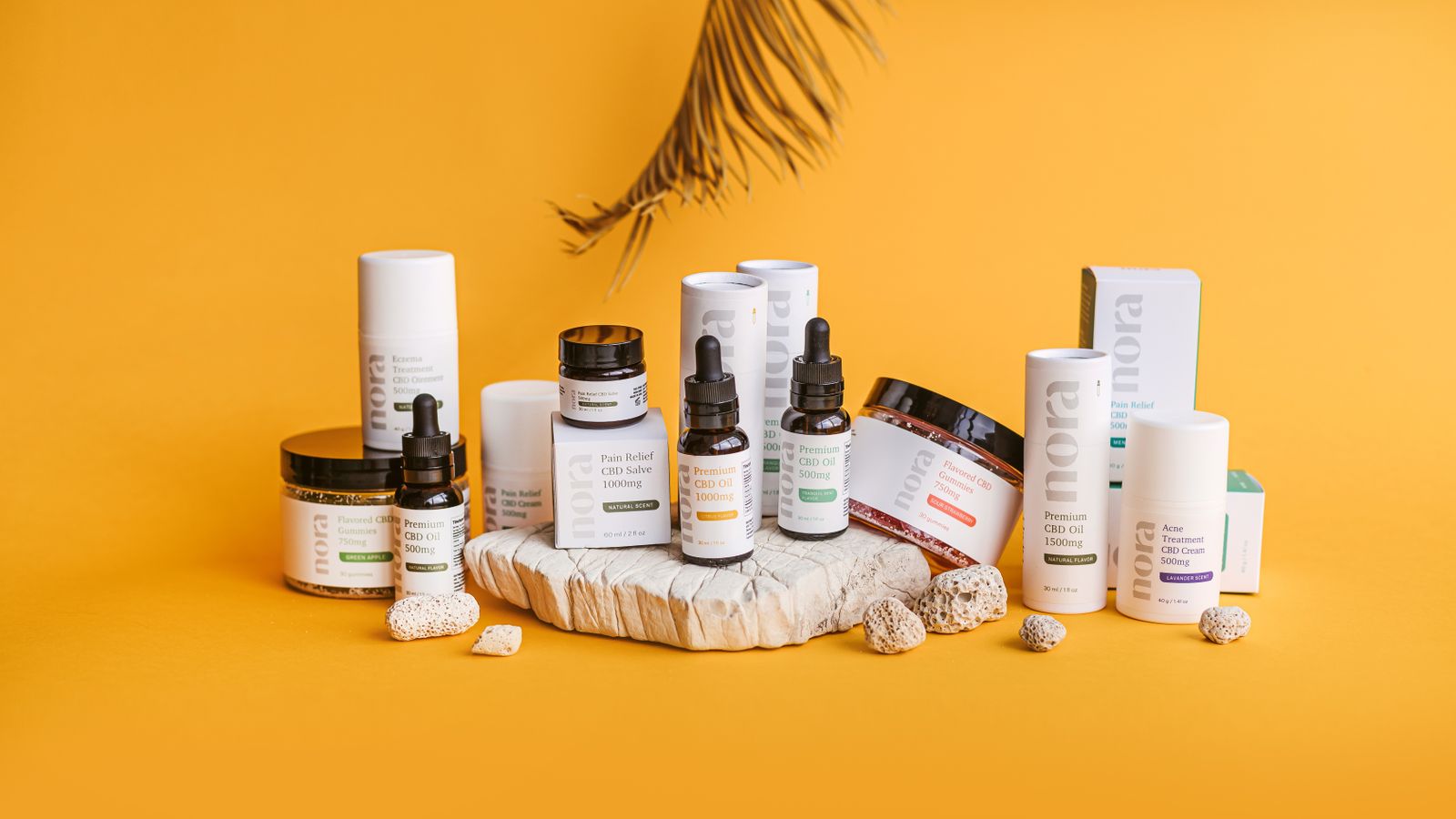
A collection of CBD cosmetic products on a bright yellow background, showcasing a modern and clean design.
New threshold ends gas-station hemp loophole
Missouri's 0.4-milligram THC limit per container takes effect November 12, 2026, reclassifying most intoxicating hemp products as marijuana under state law. Products above that threshold must be grown in state-licensed cultivation facilities and sold through adult-use dispensaries. The rule closes the loophole that allowed delta-8 THC gummies, THCA flower, and other hemp-derived intoxicants to bypass cannabis licensing requirements.
The threshold is product-based, not serving-based. A single gummy containing 0.5 milligrams of THC crosses the line, even if the package contains ten servings. That math effectively bans multi-dose hemp edibles from unlicensed retail. Gas stations and smoke shops selling such products after November 12 face enforcement action from the state's Division of Cannabis Regulation.
Missouri joins a growing list of states—including Colorado, Oregon, and Minnesota—that have moved to regulate intoxicating hemp after the 2018 Farm Bill created a federal loophole. The Farm Bill legalized hemp with less than 0.3% delta-9 THC by dry weight but said nothing about total THC, THCA, or other cannabinoids. Manufacturers exploited that silence to sell products indistinguishable from dispensary edibles, often at lower prices and without testing or age verification.
The 0.4-milligram cap is the lowest per-container threshold in the country, tighter than Colorado's 2-milligram limit and far below the 5-milligram serving size common in regulated markets.
Licensed operators gain shelf space, hemp vendors face compliance costs
Missouri's licensed cannabis cultivators and retailers stand to capture market share currently held by unregulated hemp sellers. Intoxicating hemp products generated an estimated $150 million in annual sales in Missouri, according to industry analysts, with most revenue flowing outside the state's tax and licensing system. After November 12, that inventory must move into dispensaries or disappear from shelves.
Hemp manufacturers have three options: reformulate products to stay under 0.4 milligrams per container, apply for a cannabis license and enter the regulated supply chain, or exit Missouri entirely. Reformulation is difficult at scale. Most delta-8 gummies on the market contain 10 to 25 milligrams of THC per piece. A compliant product would require dilution to near-homeopathic levels or single-dose packaging that destroys unit economics.
Licensing is expensive. Missouri's adult-use market requires separate licenses for cultivation, manufacturing, and retail, with application fees starting at $5,000 and annual renewals costing tens of thousands more. Background checks, security plans, and inventory-tracking integration add operational overhead that small hemp operators can't absorb. The result? Consolidation. Larger MSOs and regional players will acquire hemp brands or replicate their formulations under licensed manufacturing, while mom-and-pop shops close.
Enforcement timeline and what operators should watch
The Division of Cannabis Regulation hasn't published a grace period or compliance roadmap for existing hemp inventory. That silence is deliberate. Missouri's regulatory posture since adult-use launch in February 2023 has been enforcement-first: inspectors issue violations, not warnings. Retailers holding non-compliant hemp products after November 12 risk license suspension, fines, or criminal referral if the state interprets continued sales as unlicensed marijuana distribution.
Licensed operators should prepare for a supply crunch in December. Hemp vendors will dump inventory in October and early November, flooding the gray market with discounted products before the cutoff. Dispensaries that stock hemp-derived items in anticipation of the transition should verify THC content per container, not per serving, and confirm that manufacturers hold valid Missouri cannabis licenses. Mislabeling or misclassification won't insulate the retailer from liability.
For full background on intoxicating hemp regulation across state markets, see the CannIntel topic hub on intoxicating hemp regulation.
Next signal to watch: whether Missouri's attorney general issues guidance on delta-8 THC versus delta-9 THC in the context of the 0.4-milligram rule. The statute doesn't distinguish between isomers, but enforcement practice may. If the state treats all THC as equivalent, delta-8 products face the same fate as THCA flower. If it carves out delta-8, the loophole reopens under a different name.
Frequently asked questions
What is Missouri's new THC threshold for hemp products?
Missouri sets a 0.4-milligram THC limit per container. Any product exceeding that amount is classified as marijuana and must be sold through state-licensed dispensaries. The threshold applies to total THC, including delta-8, delta-9, and THCA, and is measured per container, not per serving.
When does Missouri's intoxicating hemp regulation take effect?
The regulation takes effect November 12, 2026. After that date, retailers selling products above 0.4 milligrams of THC per container without a cannabis license face enforcement action, including fines, license suspension, or criminal referral for unlicensed marijuana distribution.
Can hemp manufacturers reformulate products to stay under the 0.4mg limit?
Reformulation is technically possible but economically challenging. Most delta-8 gummies contain 10-25 milligrams of THC per piece. A compliant product would require extreme dilution or single-dose packaging that destroys profit margins. Most manufacturers will either apply for a cannabis license or exit Missouri.
How does Missouri's threshold compare to other states?
Missouri's 0.4-milligram per-container limit is the strictest in the country. Colorado uses a 2-milligram cap per container, and Minnesota allows up to 5 milligrams per serving. Missouri's rule effectively bans multi-dose hemp edibles from unlicensed retail.
What happens to existing hemp inventory after November 12?
Missouri hasn't announced a grace period. Retailers holding non-compliant inventory after the cutoff risk enforcement action. Expect a pre-deadline sell-off in October and early November as vendors dump stock before the regulation takes effect.
Sources
The cannabis newsletter you forward to your team.
Federal policy, market data, grower alerts, and the one story that matters today. Sent every weekday at 7am. Free.
No spam. Unsubscribe with one click. 21+ only.
Related from Laws
Netherlands Cannabis Policies Show Structural Gaps Despite Coffeeshop Model
Policy analysts highlight enforcement inconsistencies and supply-chain ambiguities in Dutch cannabis framework.

Vermont Lieutenant Governor Accused of Violating State Cannabis Laws
State official faces allegations of breaking Vermont's cannabis regulations, raising questions about enforcement and political accountability.

Massachusetts Recriminalization Campaign Outspends Cannabis Industry
National anti-cannabis group backing ballot measure to ban $1.65B industry outpaces operator defense spending.
More from the newsroom

French Quarter Opens First Cannabis Dispensary in New Orleans History
A medical marijuana pharmacy has opened in the historic French Quarter, marking a retail milestone for Louisiana's cannabis program.
New Review Challenges Evidence Behind Cannabis 'Entourage Effect'
A systematic review questions the scientific foundation of the widely marketed claim that minor cannabinoids enhance THC effects.

DC Circuit Declines To Halt DOJ's Cannabis Rescheduling
The D.C. Circuit Court of Appeals refused to block the Justice Department's ongoing administrative process to move cannabis from Schedule I to Schedule III.