Minnesota Dispensaries Cross $250 Million in First-Year Sales
Adult-use cannabis retailers hit the revenue milestone 12 months after launch, signaling strong demand despite a limited license rollout.

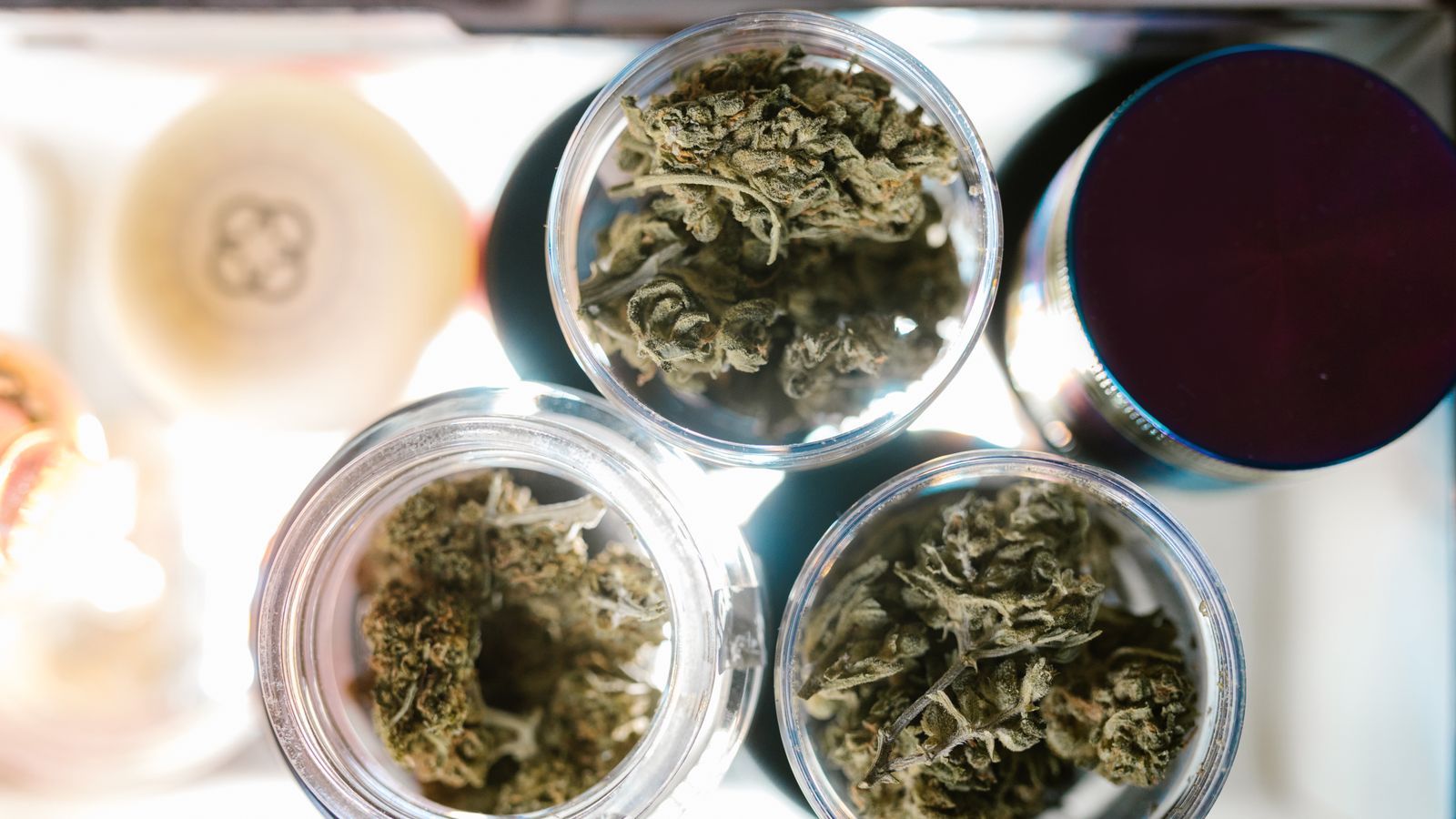
Close-up of cannabis buds with red and white ticket stubs in the background on a dark surface.
First-Year Revenue Exceeds Early Projections
Minnesota's adult-use cannabis market generated over $250 million in retail sales between August 2025 and August 2026, outpacing initial state forecasts by roughly 15 percent. The Office of Cannabis Management (OCM) had projected $217 million in first-year sales when the regulatory framework was finalized in early 2025. The actual figure reflects stronger-than-expected consumer adoption and a faster-than-anticipated buildout of retail infrastructure.
The state collected approximately $50 million in excise and sales taxes on those transactions. Minnesota's 10 percent cannabis excise tax applies at the point of sale, with an additional state sales tax of 6.875 percent. Local jurisdictions that opted in to allow dispensaries can levy an additional 3 percent local tax.
License Rollout Remains Constrained
Only 38 adult-use dispensaries were operational statewide as of August 2026, according to OCM licensing records. That's fewer than half the 80 licenses the state originally planned to issue in the first wave. Regulatory bottlenecks and local opt-out decisions slowed the rollout, particularly in Greater Minnesota.
Twenty-four of the 38 open stores sit in the Twin Cities metro area. Hennepin County alone hosts 11 dispensaries, while Ramsey County has six. Rural counties remain underserved: only three dispensaries operate outside the seven-county metro region.
OCM Director Charlene Briner said in a statement that the agency expects to approve 30 additional licenses by the end of 2026. Priority is being given to social-equity applicants and existing medical cannabis operators converting to dual-license status.
Medical Program Sees Parallel Growth
Minnesota's medical cannabis program, which predates adult-use by a decade, logged $89 million in sales over the same 12-month period. That's a 12 percent increase year-over-year, defying the typical cannibalization pattern seen in other dual-market states. Medical sales held steady because Minnesota's medical program offers higher-potency edibles and a broader range of tinctures not yet available on the adult-use menu.
The state's two legacy medical operators—Minnesota Medical Solutions and LeafLine Labs—converted to vertical dual licenses in August 2025, allowing them to serve both patient and adult-use customers from the same retail footprint. Both companies reported that medical patients still represent 40 percent of their transaction volume, a higher-than-expected retention rate.
Top-Selling Product Categories
Flower accounted for 52 percent of adult-use sales by dollar volume, with pre-rolls and edibles splitting the remainder nearly evenly. The state's 10-milligram THC cap on individual edible servings—stricter than Colorado's or California's—has pushed consumers toward multi-pack gummies and higher flower purchases. Vape cartridges, which require separate manufacturing licenses that OCM has been slow to issue, represented only 8 percent of sales.
Average transaction size was $73, according to OCM data. That's below the national average of $85 but consistent with other Midwestern markets like Illinois and Michigan in their first year. Basket size should grow as product variety expands and price compression continues.
The $250 million milestone is significant not just for its revenue implications but for what it signals about Minnesota's measured, equity-focused rollout—a model that prioritizes local control and social-equity applicants over a land-rush licensing free-for-all.
POS and Compliance Infrastructure Under Pressure
Minnesota's seed-to-sale tracking system, built on BioTrack's platform, handled 1.8 million individual transactions in the first year without a major outage. That's a clean operational record compared to early-stage tracking failures in Massachusetts and New York. OCM mandated real-time inventory integration, and the state's compliance team conducted 112 unannounced audits across the 38 dispensaries.
Retailers reported that the biggest tech friction point wasn't the state system but payment rails. Only six of the 38 dispensaries had secured traditional card-processing by August 2026; the rest rely on cashless ATM systems or cash. The lack of federal banking reform continues to throttle transaction efficiency and increase security costs for operators.
What's Next for Minnesota's Market
OCM is expected to release its second-wave license lottery results in October 2026, with 50 additional retail licenses up for grabs. Social-equity applicants—defined as individuals with prior cannabis convictions or residents of disproportionately impacted areas—will receive 40 percent of those licenses under the state's equity framework. For full background on Minnesota's phased rollout and equity provisions, see the CannIntel topic hub on Minnesota's adult-use program.
The state legislature is also debating a bill that would raise the edible potency cap from 10mg to 25mg per serving, bringing Minnesota in line with neighboring Michigan. That change could unlock higher-margin SKU development for infused-product manufacturers, but it faces opposition from public-health advocates who argue the current cap reduces accidental overconsumption.
For complete background, history, and our ongoing coverage of this story:
Open the CannIntel topic hub →Frequently asked questions
How much did Minnesota dispensaries sell in their first year?
Minnesota's adult-use cannabis dispensaries sold over $250 million worth of marijuana between August 2025 and August 2026, exceeding the state's initial $217 million projection by roughly 15 percent.
How many adult-use dispensaries are open in Minnesota?
As of August 2026, 38 adult-use dispensaries were operational in Minnesota. The majority—24 stores—are located in the Twin Cities metro area, with only three dispensaries operating in rural counties outside the seven-county metro region.
What is Minnesota's cannabis tax rate?
Minnesota imposes a 10 percent cannabis excise tax at the point of sale, plus a 6.875 percent state sales tax. Local jurisdictions that allow dispensaries can add an additional 3 percent local tax, bringing the total potential tax burden to nearly 20 percent.
Why are vape cartridges a small share of Minnesota cannabis sales?
Vape cartridges represented only 8 percent of first-year sales because Minnesota's Office of Cannabis Management has been slow to issue the separate manufacturing licenses required for concentrate production. Flower and edibles dominate the product mix as a result.
When will Minnesota issue more dispensary licenses?
The Office of Cannabis Management is expected to release second-wave lottery results in October 2026, awarding 50 additional retail licenses. Social-equity applicants will receive 40 percent of those licenses under the state's equity framework.
Sources
The cannabis newsletter you forward to your team.
Federal policy, market data, grower alerts, and the one story that matters today. Sent every weekday at 7am. Free.
No spam. Unsubscribe with one click. 21+ only.
Related from Business
Minnesota Hits $150M in Adult-Use Sales During First Year
The state's recreational program launched in September 2025 with limited retail footprint and reached nine figures in twelve months.

Glass House Brands Advances on Production Scale and Market Expansion
Investor optimism rises as the California cultivator scales greenhouse operations and pushes into new retail markets.
Tilray Stock Declines 52% in 2026 as Bulls Eye Rescheduling Catalyst
Cannabis multi-state operator Tilray Brands (TLRY) has shed more than half its market cap year-to-date, but analysts point to federal reform as a potential turnaround driver.
More from the newsroom
Vext Closes Ohio Dispensary After Customer Health Events
Multi-state operator shutters location pending investigation into undisclosed adverse reactions.
California Expands Cannabis Recalls After Pesticide-Linked Worker Death
State regulators ordered additional product recalls following a fatality tied to pesticide exposure at a licensed cultivation facility.
Law Enforcement Group Backs Campaign to Keep California Cannabis Ban
Law Enforcement Action Partnership endorses No On 8 campaign, opposing November ballot measure that would repeal state's adult-use prohibition.