Minnesota Hits $150M in Adult-Use Sales During First Year
The state's recreational program launched in September 2025 with limited retail footprint and reached nine figures in twelve months.
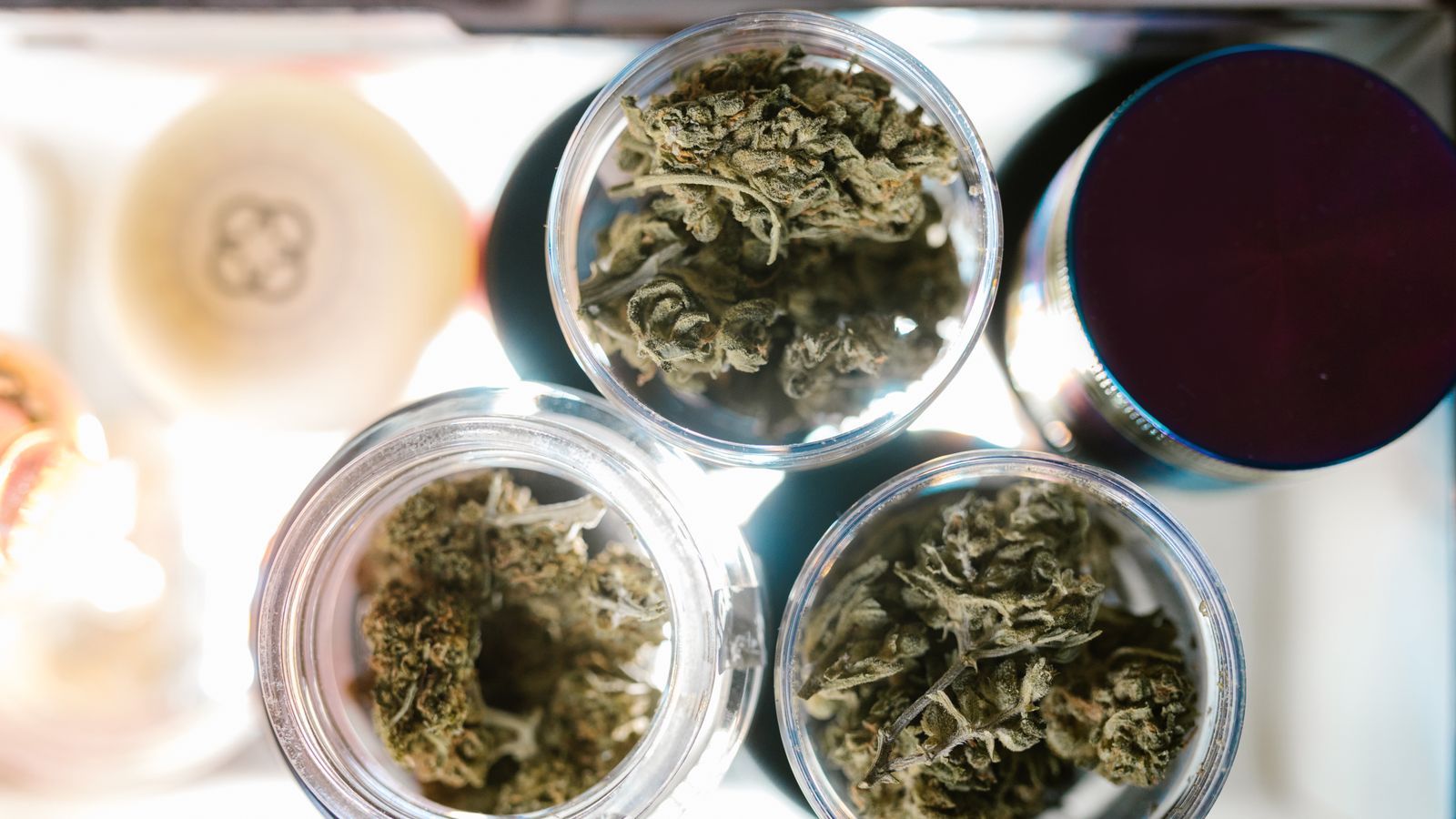
Close-up of cannabis buds in jars from above, highlighting marijuana storage.
Revenue Run Rate and Retail Density
Minnesota's $150 million first-year total translates to a $12.5 million monthly average, well below the per-capita benchmarks set by Illinois and Michigan in their launch years. Illinois generated $670 million in its first twelve months with a population roughly twice Minnesota's size. Michigan hit $475 million in year one with comparable demographics.
The gap reflects Minnesota's phased licensing approach. Regulators issued fewer than 30 retail licenses by the six-month mark, concentrating dispensaries in the Twin Cities metro and leaving Greater Minnesota underserved. Illinois opened with 47 dispensaries statewide on day one.
Tax Revenue and Budget Allocations
At the state's 10% excise tax rate plus local levies, the $150 million in sales likely generated $18-22 million in combined tax receipts. Minnesota's adult-use statute directs tax revenue into three buckets:
- Social equity grants: 25% of excise collections fund loans and technical assistance for equity applicants.
- Substance-abuse programs: 15% flows to treatment and prevention initiatives.
- General fund: The remainder enters unrestricted state coffers after covering regulatory costs.
The Office of Cannabis Management hasn't yet published a full tax-allocation breakdown for fiscal 2026.
Operator Landscape and MSO Presence
Multi-state operators hold a minority share of Minnesota's adult-use licenses, with the state prioritizing in-state applicants and social-equity candidates during the initial lottery rounds. Green Thumb Industries and Ascend Wellness operate medical dispensaries that converted to dual-use licenses. Neither company has disclosed Minnesota-specific revenue in recent earnings calls.
The state's equity-weighted licensing structure has kept national chains from dominating the market, but it's also slowed the pace of store openings and limited product availability in rural counties.
Local operators like Pure Options and Blunts + Moore captured early market share in Minneapolis and St. Paul. Greater Minnesota remains a whitespace opportunity for second-wave applicants.
What Investors Are Watching
The bull case hinges on Minnesota's licensing pipeline: the state has 150+ applications pending for the next round of retail permits, with decisions expected by Q4 2026. If regulators approve 50-75 new stores, the market could double in size by mid-2027. The bear case? Slow regulatory cadence and continued supply-chain bottlenecks that have plagued other Midwest programs.
For context, see the CannIntel topic hub on Minnesota's adult-use program for full background on licensing timelines and equity-applicant requirements.
Next signal: Minnesota's Office of Cannabis Management is scheduled to release Q3 2026 sales data in early October, which will show whether the summer tourism season lifted per-store averages in northern resort counties.
For complete background, history, and our ongoing coverage of this story:
Open the CannIntel topic hub →Sources
The cannabis newsletter you forward to your team.
Federal policy, market data, grower alerts, and the one story that matters today. Sent every weekday at 7am. Free.
No spam. Unsubscribe with one click. 21+ only.
Related from Business

Glass House Brands Advances on Production Scale and Market Expansion
Investor optimism rises as the California cultivator scales greenhouse operations and pushes into new retail markets.
Tilray Stock Declines 52% in 2026 as Bulls Eye Rescheduling Catalyst
Cannabis multi-state operator Tilray Brands (TLRY) has shed more than half its market cap year-to-date, but analysts point to federal reform as a potential turnaround driver.

Minnesota Dispensaries Cross $250 Million in First-Year Sales
Adult-use cannabis retailers hit the revenue milestone 12 months after launch, signaling strong demand despite a limited license rollout.
More from the newsroom
Vext Closes Ohio Dispensary After Customer Health Events
Multi-state operator shutters location pending investigation into undisclosed adverse reactions.

California Expands Cannabis Recalls After Pesticide-Linked Worker Death
State regulators ordered additional product recalls following a fatality tied to pesticide exposure at a licensed cultivation facility.
Law Enforcement Group Backs Campaign to Keep California Cannabis Ban
Law Enforcement Action Partnership endorses No On 8 campaign, opposing November ballot measure that would repeal state's adult-use prohibition.