Glass House Brands Advances on Production Scale and Market Expansion
Investor optimism rises as the California cultivator scales greenhouse operations and pushes into new retail markets.

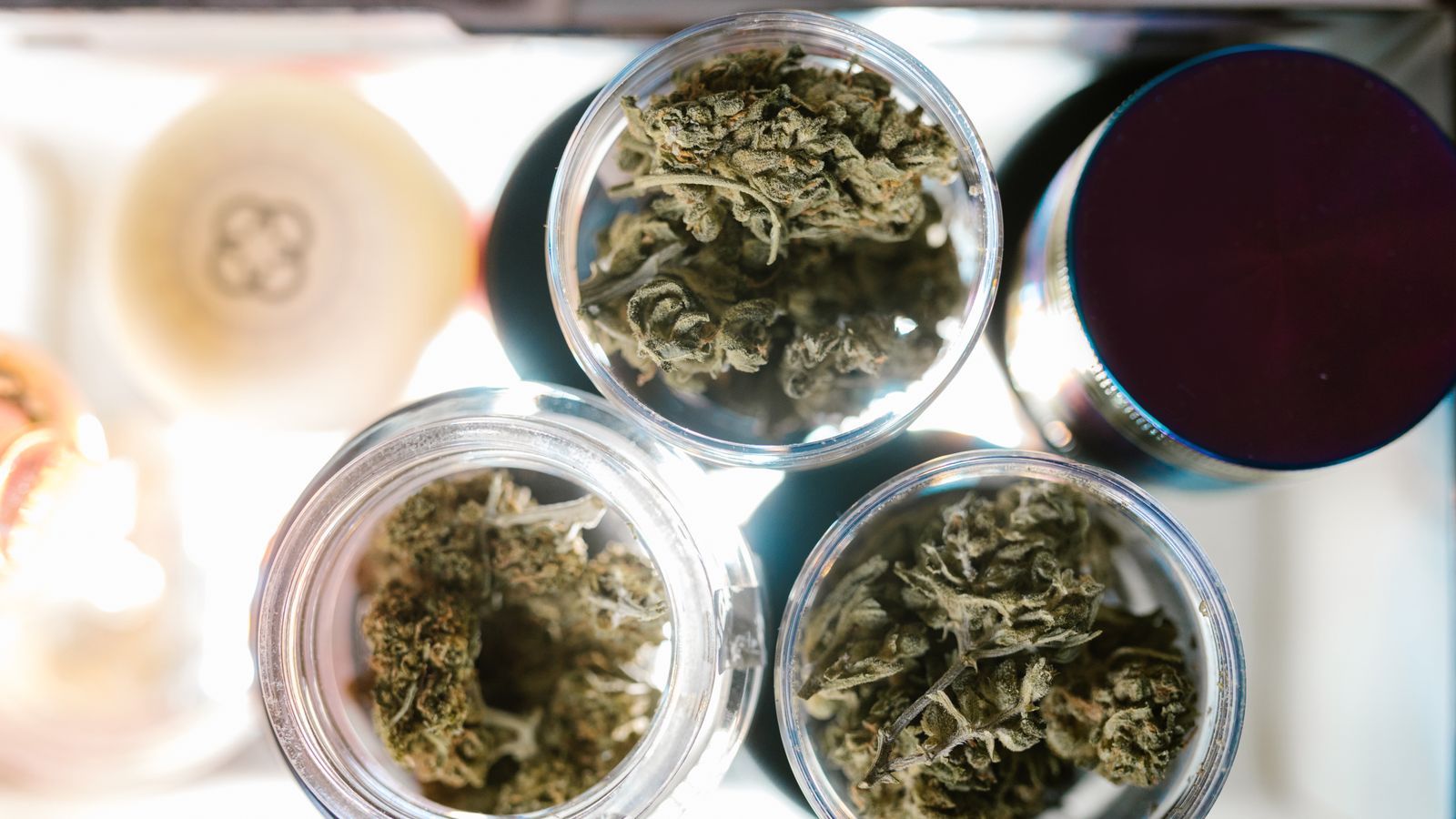
Detailed view of a cannabis plant flowering in an indoor greenhouse.
Production Capacity Drives Investor Interest
Glass House Brands operates a 5.5-million-square-foot greenhouse in Carpinteria, California, positioning the company as one of the state's lowest-cost flower producers. The facility's scale allows the MSO to deliver wholesale biomass at price points smaller indoor operators can't match. Glass House reported production costs below $100 per pound in its most recent quarterly disclosure—a figure that includes cultivation, harvest, and post-harvest processing.
The company's greenhouse model contrasts with indoor cultivation, which typically requires higher energy inputs and climate-control infrastructure. Outdoor sunlight cuts operating expense. Natural ventilation does, too. It's a structural advantage as California wholesale prices remain compressed.
Retail Expansion Adds Revenue Channels
Glass House has opened six retail dispensaries across Southern California since 2024, adding direct-to-consumer margin to its wholesale revenue base. The retail locations operate under the company's branded storefronts and carry both proprietary flower and third-party products. Retail sales accounted for approximately 30% of total revenue in Q2 2026, up from 18% a year earlier.
Expanding into retail allows Glass House to capture margin at both the cultivation and point-of-sale tiers, a vertical integration strategy pursued by several California MSOs. The company's indicated it plans to open three additional locations by year-end 2026, pending local approvals.
Market Context and Competitive Position
California's wholesale flower market remains oversupplied, with average per-pound prices hovering near $800 in September 2026, down from $1,200 in 2023. Glass House's low-cost production model positions the company to remain profitable even as smaller cultivators exit the market or consolidate. The company reported positive EBITDA in its last four consecutive quarters, a milestone few California-focused operators have achieved.
For full background on Glass House's operational strategy and financial performance, see the CannIntel topic hub on Glass House Brands. The stock has gained 22% year-to-date through September 15. That outpaces the broader cannabis equity index.
Next catalyst: Glass House is expected to report Q3 2026 earnings in early November, with analysts watching for retail same-store sales growth and any updates to the company's 2027 expansion timeline.
Sources
The cannabis newsletter you forward to your team.
Federal policy, market data, grower alerts, and the one story that matters today. Sent every weekday at 7am. Free.
No spam. Unsubscribe with one click. 21+ only.
Related from Business
Minnesota Hits $150M in Adult-Use Sales During First Year
The state's recreational program launched in September 2025 with limited retail footprint and reached nine figures in twelve months.

Tilray Stock Declines 52% in 2026 as Bulls Eye Rescheduling Catalyst
Cannabis multi-state operator Tilray Brands (TLRY) has shed more than half its market cap year-to-date, but analysts point to federal reform as a potential turnaround driver.

Minnesota Dispensaries Cross $250 Million in First-Year Sales
Adult-use cannabis retailers hit the revenue milestone 12 months after launch, signaling strong demand despite a limited license rollout.
More from the newsroom
Vext Closes Ohio Dispensary After Customer Health Events
Multi-state operator shutters location pending investigation into undisclosed adverse reactions.

California Expands Cannabis Recalls After Pesticide-Linked Worker Death
State regulators ordered additional product recalls following a fatality tied to pesticide exposure at a licensed cultivation facility.

Law Enforcement Group Backs Campaign to Keep California Cannabis Ban
Law Enforcement Action Partnership endorses No On 8 campaign, opposing November ballot measure that would repeal state's adult-use prohibition.