Law Enforcement Group Backs Campaign to Keep California Cannabis Ban
Law Enforcement Action Partnership endorses No On 8 campaign, opposing November ballot measure that would repeal state's adult-use prohibition.
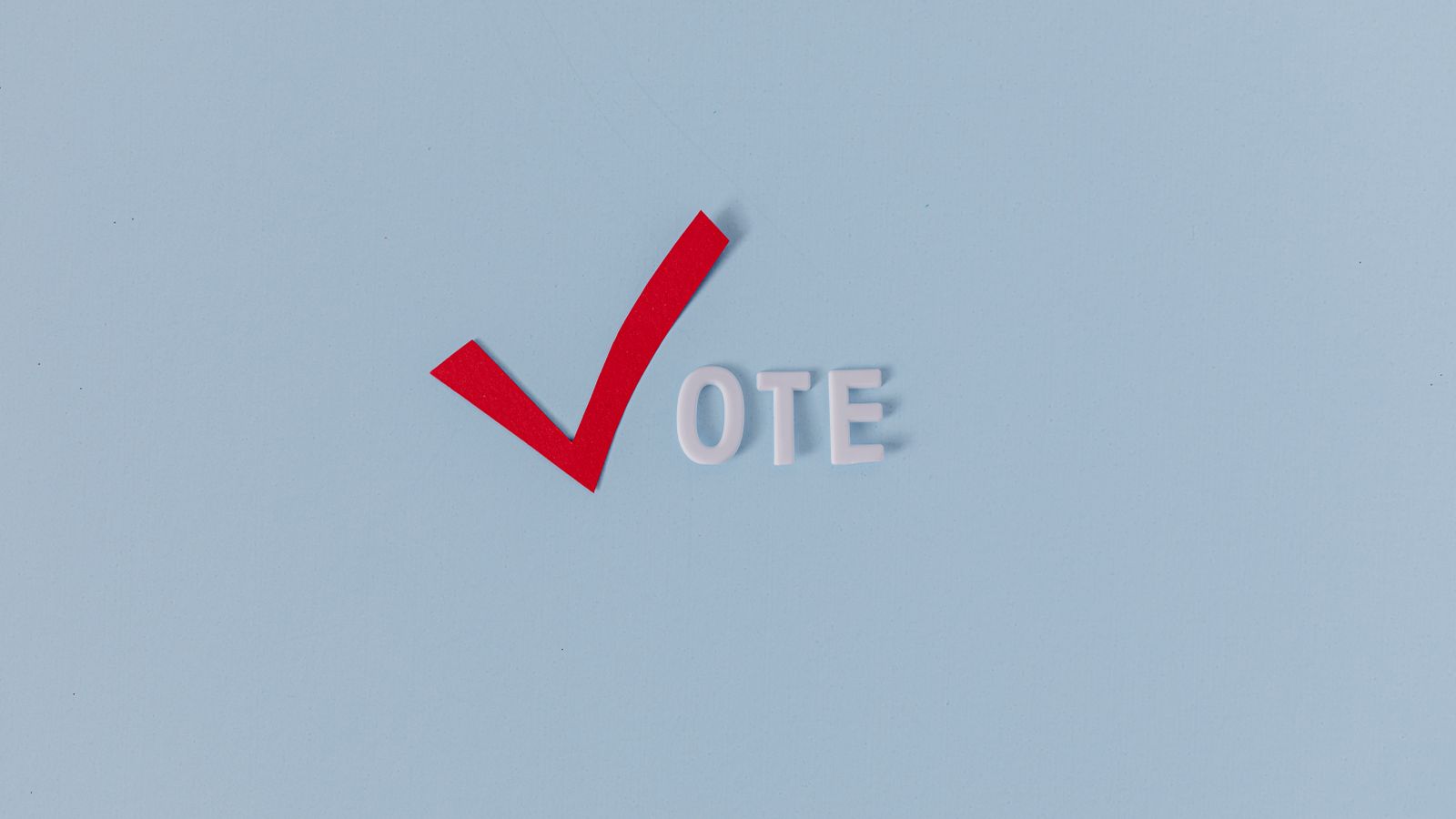
Red check mark with the word "VOTE" on a blue background, symbolizing election participation.
Law Enforcement Coalition Joins No Campaign
The Law Enforcement Action Partnership (LEAP), a group of current and former police, prosecutors, and judges, formally endorsed the No On 8 campaign on September 15, 2026. The organization, which describes itself as advocating for criminal justice reform, is backing the effort to defeat Proposition 8 and maintain California's current prohibition on adult-use cannabis.
LEAP's endorsement marks the first major law-enforcement institutional voice to weigh in publicly on the November ballot measure. Opposition to cannabis re-legalization won't come solely from social conservatives or parent advocacy groups — portions of the criminal justice community that previously supported drug policy reform are joining the fight.
The endorsement announcement didn't include a detailed statement from LEAP explaining its rationale. The organization has historically supported decriminalization and harm-reduction policies for other substances. Its position on Proposition 8 represents a departure from that broader platform.
Proposition 8 Context: Repeal of 2024 Ban
Proposition 8 is a citizen-initiated measure that would repeal California's 2024 prohibition statute, which banned adult-use cannabis sales statewide after a contentious legislative session. The prohibition took effect in January 2025. It shut down the state's $5.3 billion legal cannabis market and forced 1,200+ licensed retailers to close or pivot to medical-only operations.
If Proposition 8 passes in November 2026, it would restore the regulatory framework that existed under Proposition 64, the 2016 voter initiative that originally legalized adult-use cannabis in California. The measure would reinstate the Department of Cannabis Control's licensing authority and allow local jurisdictions to permit recreational sales again.
Polling released in August 2026 showed Proposition 8 leading 52-38, with 10% undecided. The Yes campaign has raised $18 million, primarily from former MSO operators and ancillary businesses, while the No campaign has raised $9 million from law-enforcement unions, parent groups, and healthcare advocacy organizations.
Enforcement Uncertainty Remains Central Issue
The debate over Proposition 8 has centered on enforcement questions that remain unresolved regardless of the ballot outcome. If the measure fails, California will remain one of three states (alongside Idaho and Kansas) that prohibit adult-use cannabis despite federal rescheduling to Schedule III in 2025. Pass or fail, the state faces thorny jurisdictional questions.
The hemp-loophole question looms over both scenarios. California's 2024 prohibition statute didn't address hemp-derived THCA or delta-8 products, which have proliferated in unlicensed retail channels since the ban took effect. The Department of Public Health issued emergency regulations in June 2026 capping total THC (post-decarboxylation) at 0.3% for hemp products, but enforcement has been inconsistent across counties.
If Proposition 8 passes, the DCC would regain authority over cannabis products, but the hemp-derived market would remain under CDPH and CDFA jurisdiction. Industry attorneys say this split creates a compliance gray zone for converted cannabinoids. Enforcement will vary by jurisdiction. For full background on this story, see the CannIntel topic hub on Proposition 8 Repeal Campaign.
Frequently asked questions
What is Proposition 8 in California?
Proposition 8 is a November 2026 ballot measure that would repeal California's 2024 adult-use cannabis prohibition and restore the legal market framework established under Proposition 64 in 2016. If passed, it would allow licensed recreational sales to resume statewide.
Who is the Law Enforcement Action Partnership?
LEAP is an organization of current and former police, prosecutors, and judges that advocates for criminal justice reform. The group typically supports decriminalization and harm-reduction policies, making its endorsement of the No On 8 campaign a notable departure from its broader platform.
What happens to hemp-derived THC products if Proposition 8 passes?
Hemp-derived THCA, delta-8, and converted cannabinoids would remain under CDPH and CDFA jurisdiction, not the Department of Cannabis Control. This creates a split regulatory framework where adult-use cannabis falls under DCC rules while hemp products follow separate total-THC limits and enforcement protocols.
When did California ban adult-use cannabis?
California banned adult-use cannabis sales in 2024 through a legislative statute that took effect in January 2025. The prohibition shut down the state's $5.3 billion legal market and forced over 1,200 licensed retailers to close or switch to medical-only operations.
What is the current polling on Proposition 8?
August 2026 polling showed Proposition 8 leading 52-38, with 10% of voters undecided. The Yes campaign has raised $18 million, primarily from former cannabis operators, while the No campaign has raised $9 million from law enforcement and healthcare groups.
Sources
The cannabis newsletter you forward to your team.
Federal policy, market data, grower alerts, and the one story that matters today. Sent every weekday at 7am. Free.
No spam. Unsubscribe with one click. 21+ only.
Related from Laws

Congress Introduces Plant-Based Medicines Development Act for Cannabis
New federal bill would create research framework for cannabis-derived and psychedelic therapeutics, bypassing Schedule I barriers.

Massachusetts Advances Social Consumption Regulations
State regulators move forward on rules allowing on-site cannabis use at licensed venues.

Nebraska Medical Cannabis Commission Convenes After Court Upholds Program
State regulators met September 15 to begin rulemaking after the Nebraska Supreme Court rejected challenges to voter-approved medical cannabis laws.
More from the newsroom
Vext Closes Ohio Dispensary After Customer Health Events
Multi-state operator shutters location pending investigation into undisclosed adverse reactions.
Minnesota Hits $150M in Adult-Use Sales During First Year
The state's recreational program launched in September 2025 with limited retail footprint and reached nine figures in twelve months.

California Expands Cannabis Recalls After Pesticide-Linked Worker Death
State regulators ordered additional product recalls following a fatality tied to pesticide exposure at a licensed cultivation facility.