Massachusetts Advances Social Consumption Regulations
State regulators move forward on rules allowing on-site cannabis use at licensed venues.
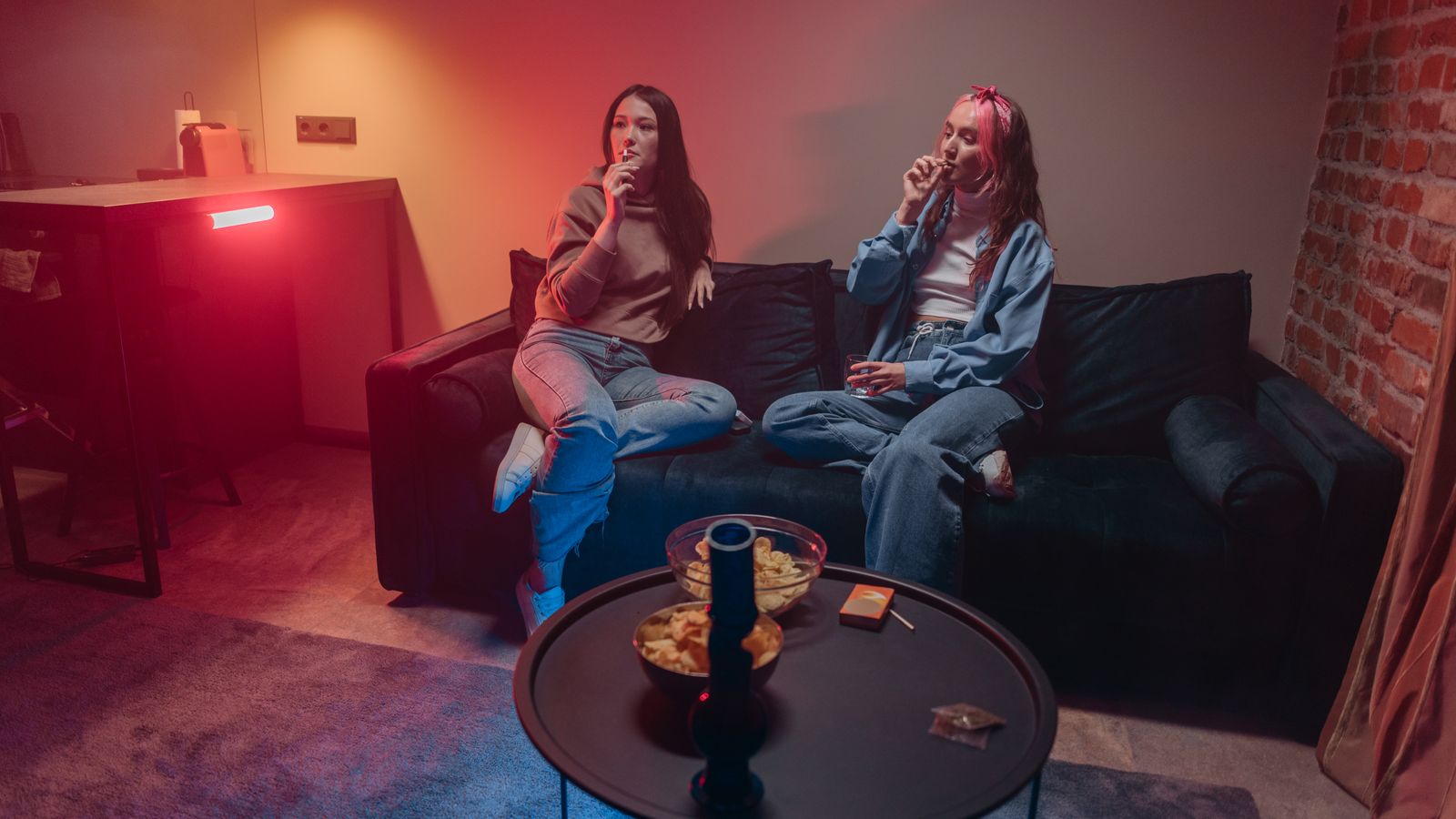
Two women enjoying a relaxed evening with snacks and smoke on a sofa indoors.
Regulatory Framework Takes Shape
The Cannabis Control Commission is drafting regulations that would create two license types for social consumption venues. One category covers consumption lounges where licensed retailers can sell and permit on-site use. The second allows bring-your-own establishments where patrons consume cannabis purchased elsewhere.
The commission hasn't published draft regulations. Public comment periods are expected in Q4 2026.
Eight-Year Gap Since Legalization
Massachusetts voters approved adult-use cannabis in 2016, but the state has operated without social consumption options for eight years. Retail sales launched in November 2018. Neighboring states including New York and New Jersey have moved faster on social consumption, with New York issuing its first lounge licenses in 2024.
Regulatory caution and local control concerns explain the delay. Massachusetts municipalities retain the authority to ban cannabis businesses, including any future consumption venues.
Local Approval Remains Required
Cities and towns will retain veto power over social consumption establishments through local licensing and zoning. This mirrors the state's existing framework for retail dispensaries. Roughly 60% of Massachusetts municipalities have opted out of allowing cannabis businesses.
Industry observers expect urban markets like Boston, Cambridge, and Northampton to move first. Rural and suburban towns? They're likely to maintain bans.
Operator Interest and Market Potential
Multi-state operators and independent retailers have lobbied for social consumption rules since 2019. Municipal resistance, not operator hesitance, explains the delay. Several Massachusetts MSOs have stated they'd open lounges in permissive jurisdictions within 12 months of final regulations.
Colorado's social consumption market generated an estimated $8 million in 2025 across 30 licensed venues. Massachusetts, with a larger adult-use market, could support 50-75 venues statewide if municipal adoption reaches 20%.
What Comes Next
The commission is expected to release draft regulations by December 2026, with a 60-day public comment window. Final rules could be adopted in Q1 2027. First licenses might be issued by mid-2027. For full background on this story, see the CannIntel topic hub on Massachusetts Social Consumption.
Municipal readiness will determine the timeline. Boston and Cambridge have indicated they'll consider local ordinances once state rules are finalized.
Sources
The cannabis newsletter you forward to your team.
Federal policy, market data, grower alerts, and the one story that matters today. Sent every weekday at 7am. Free.
No spam. Unsubscribe with one click. 21+ only.
Related from Laws
Law Enforcement Group Backs Campaign to Keep California Cannabis Ban
Law Enforcement Action Partnership endorses No On 8 campaign, opposing November ballot measure that would repeal state's adult-use prohibition.

Congress Introduces Plant-Based Medicines Development Act for Cannabis
New federal bill would create research framework for cannabis-derived and psychedelic therapeutics, bypassing Schedule I barriers.
Nebraska Medical Cannabis Commission Convenes After Court Upholds Program
State regulators met September 15 to begin rulemaking after the Nebraska Supreme Court rejected challenges to voter-approved medical cannabis laws.
More from the newsroom
Vext Closes Ohio Dispensary After Customer Health Events
Multi-state operator shutters location pending investigation into undisclosed adverse reactions.
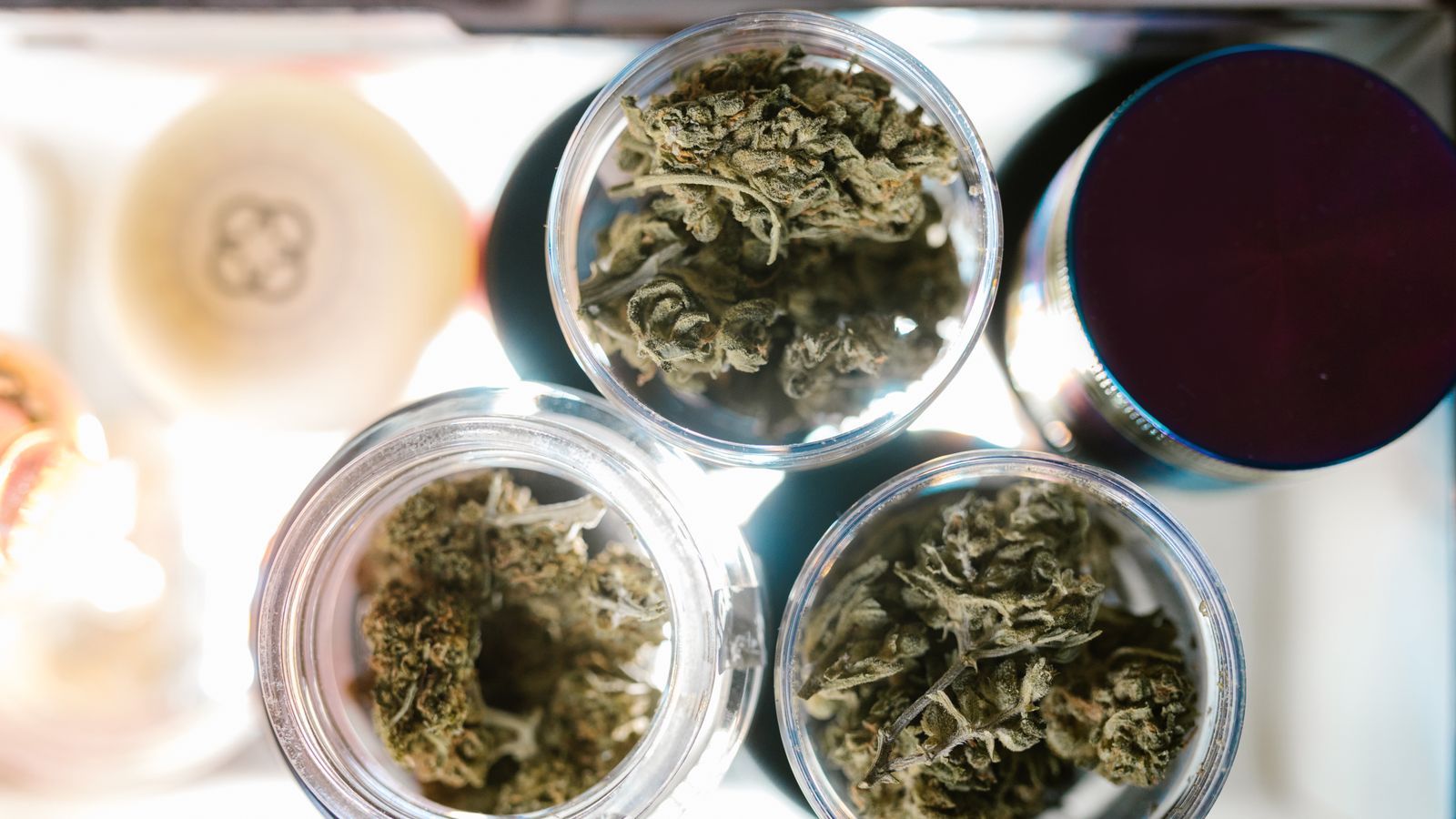
Minnesota Hits $150M in Adult-Use Sales During First Year
The state's recreational program launched in September 2025 with limited retail footprint and reached nine figures in twelve months.
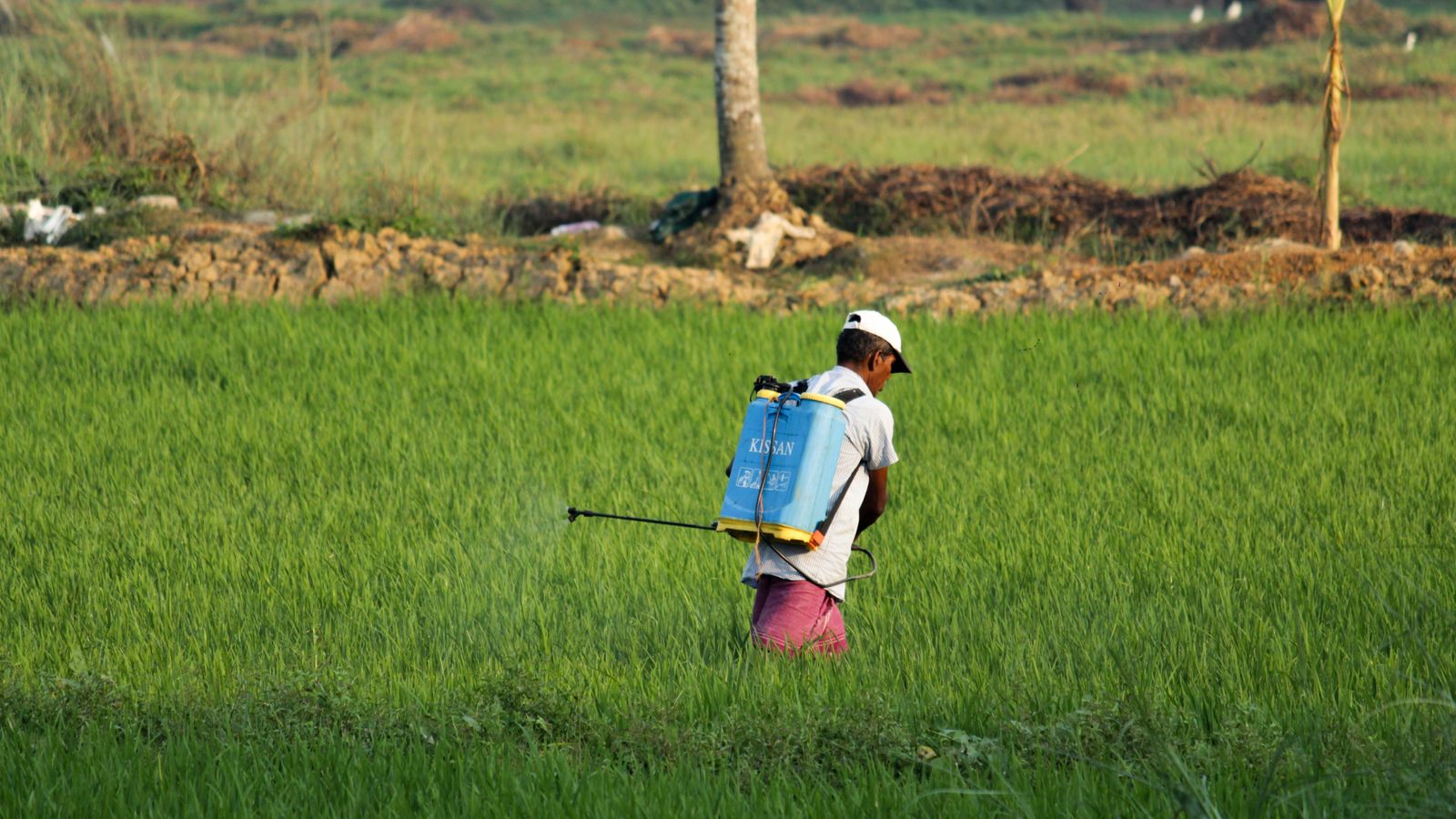
California Expands Cannabis Recalls After Pesticide-Linked Worker Death
State regulators ordered additional product recalls following a fatality tied to pesticide exposure at a licensed cultivation facility.