Nebraska Medical Cannabis Commission Convenes After Court Upholds Program
State regulators met September 15 to begin rulemaking after the Nebraska Supreme Court rejected challenges to voter-approved medical cannabis laws.
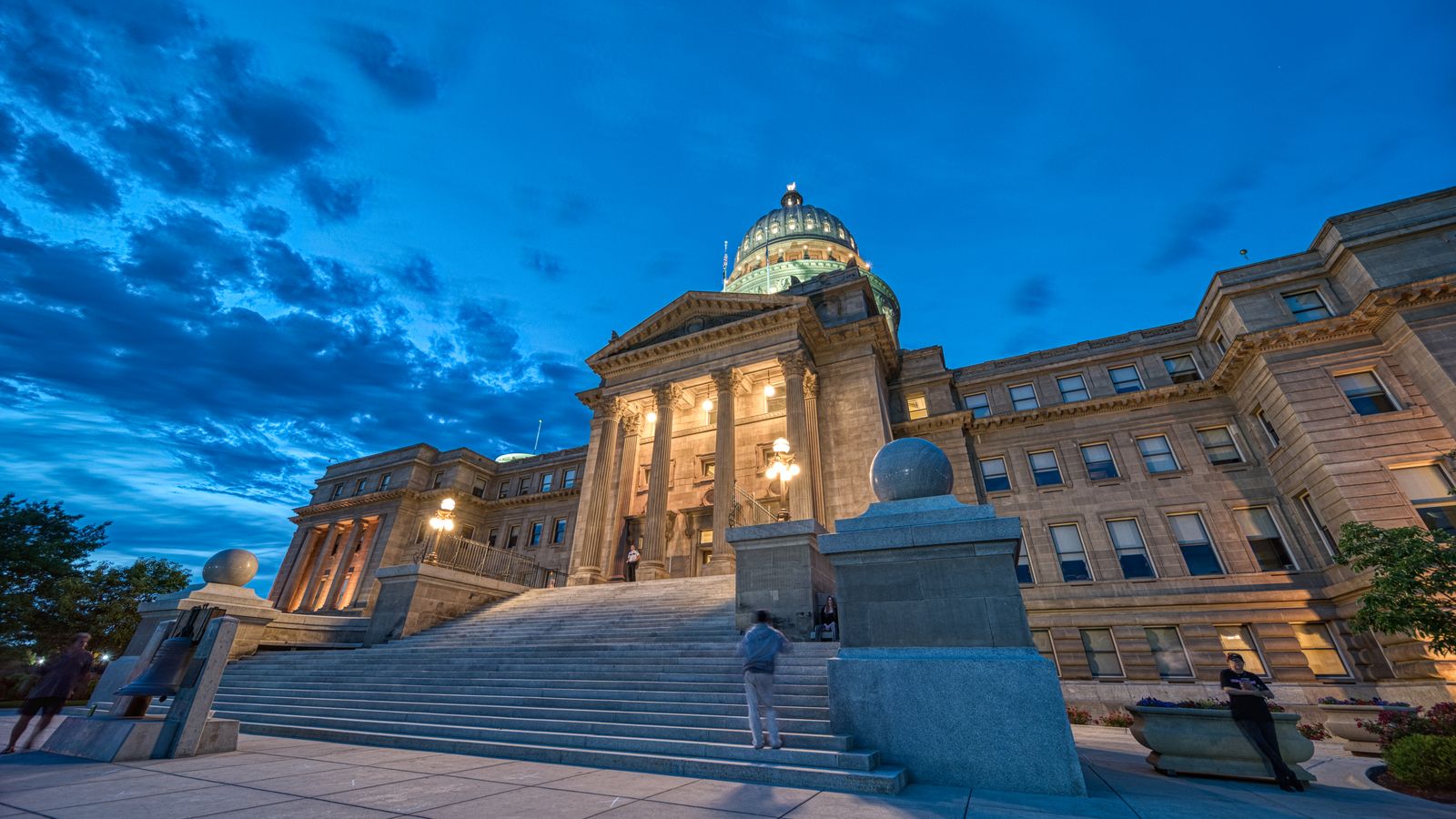
Exterior of historic classic palace with dome and decorative pillars near spacious staircase at dark peaceful night
Commission Launches Rulemaking After Legal Challenges Fail
The Nebraska Medical Cannabis Commission convened for the first time on September 15, 2026, following the state Supreme Court's rejection of constitutional challenges to the program. The court's decision cleared the way for regulators to begin drafting administrative rules governing cultivation, processing, testing, and dispensing licenses. Nebraska voters approved Initiative Measures 437 and 438 in November 2024, creating a patient registry and authorizing licensed medical cannabis operations.
The enabling statutes are strict. The commission must publish proposed rules by December 31, 2026, and accept applications for cultivation licenses by March 1, 2027. That leaves fewer than four months to finalize the regulatory framework.
Court Ruling Ends Two-Year Legal Standoff
The Nebraska Supreme Court issued its decision on September 10, 2026, rejecting claims that the ballot measures violated the state constitution's single-subject rule. Opponents had argued that the two initiatives—one establishing the patient registry and the other authorizing commercial licenses—constituted an impermissible logroll. The court held that both measures addressed the single subject of medical cannabis access and didn't violate Article III, Section 2 of the Nebraska Constitution.
This followed a similar decision in 2022, when the court struck down an earlier medical cannabis initiative on procedural grounds. The 2024 measures were drafted to cure those defects.
Licensing Framework Mirrors Multi-State Operator Models
The commission is tasked with creating three license classes: cultivation facilities, processing labs, and retail dispensaries. Nebraska Revised Statute §§ 71-8,101 through 71-8,145 authorize the commission to cap the number of licenses statewide and impose residency requirements on applicants. The statutes don't specify numeric caps, leaving the commission discretion to set limits based on projected patient demand.
Industry observers expect Nebraska to follow the tiered-license model used in states like Ohio and Pennsylvania, where cultivation licenses are separated from vertical integration. Whether the commission will permit MSOs to hold multiple license types or impose ownership restrictions remains unclear.
Patient Registry and Qualifying Conditions
Initiative 437 established a patient registry administered by the Nebraska Department of Health and Human Services, with 18 qualifying conditions including cancer, epilepsy, and PTSD. The statute requires physicians to certify patients before they may receive a registry card. Patients under 18 require two physician certifications and parental consent.
The registry opens for applications on April 1, 2027, contingent on the commission's completion of rulemaking. Home cultivation? Not authorized. Smokable flower products? Also prohibited. The statute limits patients to tinctures, capsules, and vaporizable oils.
280E Tax Burden on Nebraska Operators
Nebraska cultivators and dispensaries will operate under IRC § 280E, which disallows federal tax deductions for cost of goods sold in cannabis businesses. The state hasn't enacted a workaround statute like California's AB 37 or New York's MRTA § 92, which attempt to mitigate 280E's impact through state-level deductions. Nebraska's corporate income tax rate of 5.58% applies to net income after federal adjustments, meaning operators will face effective tax rates exceeding 70% on gross receipts when federal and state liabilities are combined.
The commission has no authority to address 280E compliance; that falls to the Nebraska Department of Revenue under Title 316 of the Nebraska Administrative Code. Operators will be required to file separate federal and state returns with reconciliation schedules.
Timeline and Next Steps for Rulemaking
The commission's statutory mandate requires publication of proposed rules in the Nebraska Administrative Code by December 31, 2026, with a 30-day public comment period. Final rules must be adopted by February 15, 2027, to meet the March 1 application deadline for cultivation licenses. Dispensary licenses are scheduled to open for applications on May 1, 2027, with the first sales projected for August 2027.
So far, the commission hasn't appointed subcommittees or retained outside counsel for rulemaking. Nebraska law requires the commission to include at least one physician, one pharmacist, and one patient advocate among its seven members.
Operational Hurdles and Banking Access
Nebraska operators will face the same federal banking restrictions that apply in all state-legal markets due to cannabis's Schedule I status under the Controlled Substances Act. The state hasn't enacted a credit-union charter statute like Colorado's or a state-run payment processor like California's proposed AB 1525. Operators will rely on FinCEN-compliant cash management and third-party armored transport.
For full background on this story, see the CannIntel topic hub on the Nebraska Medical Cannabis Program. The commission's next meeting is scheduled for October 3, 2026, with agenda items including license fee schedules and residency requirements.
What to Watch
The critical variable is whether the commission meets its December 31 rulemaking deadline. Any delay pushes the March 1 application date and compresses the timeline for background checks, facility inspections, and product testing protocols. Political risk is minimal—Nebraska voters approved the measures by 70% and 65% margins, respectively—but administrative capacity remains the bottleneck. We'll be watching the commission's October meeting for signals on license caps and vertical integration rules.
For complete background, history, and our ongoing coverage of this story:
Open the CannIntel topic hub →Frequently asked questions
When will medical cannabis be available to Nebraska patients?
The first dispensary sales are projected for August 2027, contingent on the commission finalizing rules by February 2027 and processing cultivation and dispensary license applications. The patient registry opens April 1, 2027.
What are the qualifying conditions for Nebraska's medical cannabis program?
Initiative 437 lists 18 qualifying conditions including cancer, epilepsy, PTSD, chronic pain, Crohn's disease, and glaucoma. Patients under 18 require two physician certifications and parental consent.
Will Nebraska allow home cultivation of medical cannabis?
No. Nebraska Revised Statute § 71-8,112 prohibits home cultivation. Patients may only obtain cannabis from licensed dispensaries in tincture, capsule, or vaporizable oil forms. Smokable flower is not authorized.
How will IRC § 280E affect Nebraska cannabis businesses?
Section 280E disallows federal tax deductions for cost of goods sold, resulting in effective tax rates exceeding 70% when combined with Nebraska's 5.58% corporate income tax. The state has not enacted a workaround statute.
What license types will Nebraska issue?
The commission will issue three license classes: cultivation facilities, processing labs, and retail dispensaries. The statutes authorize numeric caps and residency requirements but do not specify limits, leaving the commission discretion to set them.
Sources
The cannabis newsletter you forward to your team.
Federal policy, market data, grower alerts, and the one story that matters today. Sent every weekday at 7am. Free.
No spam. Unsubscribe with one click. 21+ only.
Related from Laws
Law Enforcement Group Backs Campaign to Keep California Cannabis Ban
Law Enforcement Action Partnership endorses No On 8 campaign, opposing November ballot measure that would repeal state's adult-use prohibition.

Congress Introduces Plant-Based Medicines Development Act for Cannabis
New federal bill would create research framework for cannabis-derived and psychedelic therapeutics, bypassing Schedule I barriers.

Massachusetts Advances Social Consumption Regulations
State regulators move forward on rules allowing on-site cannabis use at licensed venues.
More from the newsroom
Vext Closes Ohio Dispensary After Customer Health Events
Multi-state operator shutters location pending investigation into undisclosed adverse reactions.
Minnesota Hits $150M in Adult-Use Sales During First Year
The state's recreational program launched in September 2025 with limited retail footprint and reached nine figures in twelve months.

California Expands Cannabis Recalls After Pesticide-Linked Worker Death
State regulators ordered additional product recalls following a fatality tied to pesticide exposure at a licensed cultivation facility.