Arizona Cultivator Pioneers Soil-Free Cannabis Hydroponic System
An Arizona cannabis company has deployed a commercial-scale hydroponic cultivation system eliminating soil-based growing entirely.
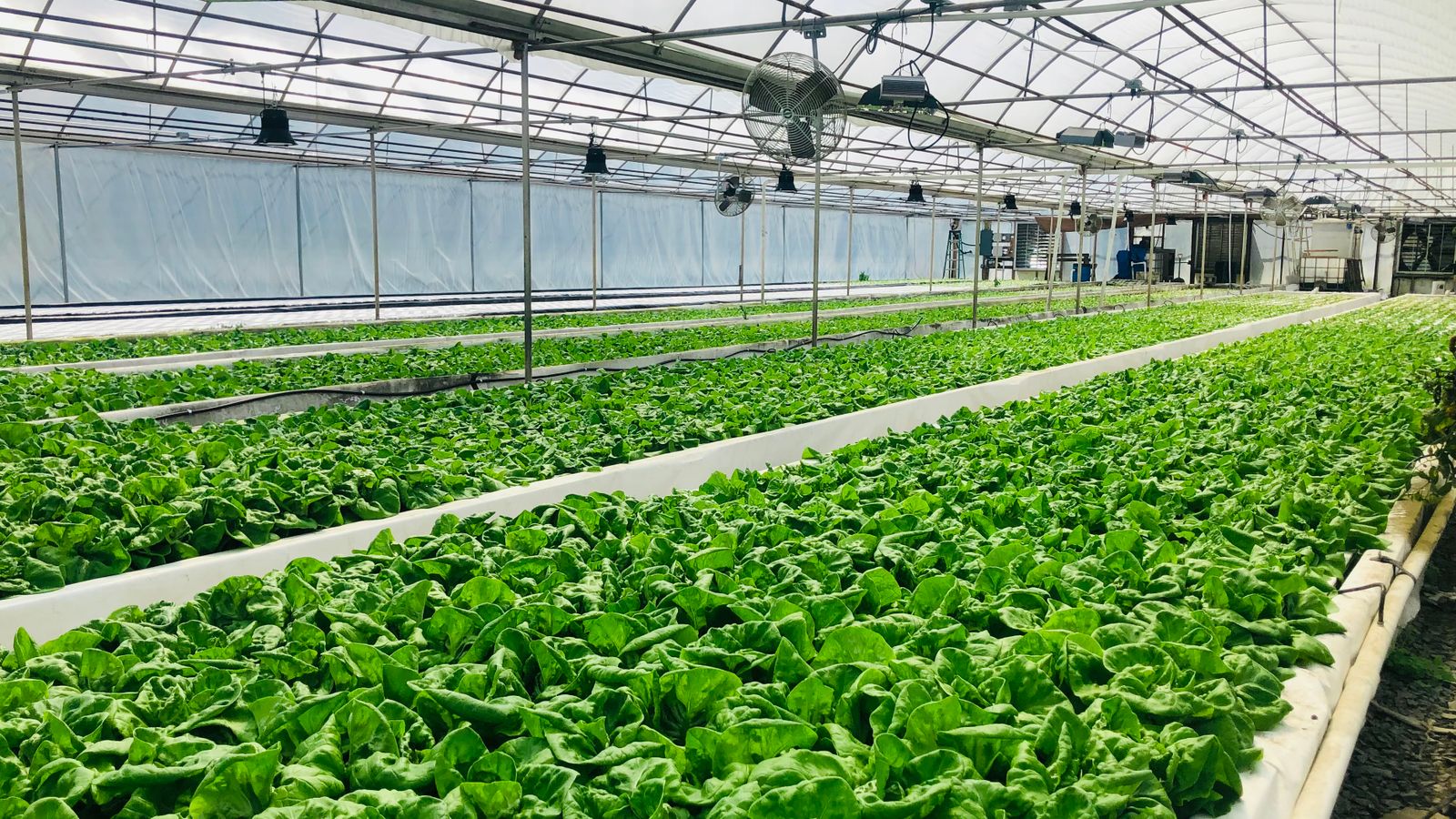
Expansive view of a hydroponic greenhouse growing fresh spinach under controlled environment.
The Cultivation System
The Arizona facility uses deep-water culture hydroponic tables that suspend cannabis roots in oxygenated nutrient solutions without any soil substrate. Plants grow in net pots filled with inert clay pellets, with roots extending into recirculating reservoirs maintained at controlled pH and electrical conductivity levels.
The system monitors nutrient uptake in real time. Automated dosing pumps adjust nitrogen, phosphorus, and potassium ratios every four hours based on plant growth stage.
Water Efficiency Claims
The operator reports a 40% reduction in water use compared to traditional soil-based cultivation methods. Hydroponic recirculation systems capture and reuse runoff, whereas soil grows typically lose 30-50% of irrigation water to drainage and evaporation.
In Arizona's arid climate, water efficiency translates directly to operational cost savings. Municipal water rates average $4.50 per 1,000 gallons across the state, making recirculation systems economically attractive at scale.
Cannabinoid Consistency Metrics
Internal testing data shows THC variance of ±1.2% across harvests, compared to ±3.8% variance in the company's previous soil-based runs. Tighter environmental control in hydroponic systems reduces the metabolic variability that affects cannabinoid biosynthesis in soil grows.
Three factors drive the consistency gains, according to the company:
- Precise nutrient delivery eliminates soil buffering unpredictability
- Root-zone oxygen levels stay constant, preventing anaerobic stress
- Automated pH stabilization keeps nutrient availability in optimal ranges
Yield and Cycle Time
The facility reports an average yield of 2.1 pounds per 1,000-watt HPS equivalent, with a 62-day average flower cycle from flip to harvest. Soil-based cultivators in Arizona typically run 70-75 day flower cycles, making the hydroponic system 10-15% faster to market.
Faster cycles don't always mean higher annual yields. The hydroponic rig requires a 10-day deep-clean and reservoir sterilization between crops, offsetting some of the time savings.
Operational Challenges
Hydroponic systems introduce single-point-of-failure risks that soil grows naturally buffer against. A pump failure or pH controller malfunction can damage an entire crop within hours. Soil provides several days of nutrient and moisture reserve.
Redundant pumps and backup pH dosing systems run on separate power circuits at the Arizona facility. Total capital expenditure for the 10,000-square-foot canopy exceeded $1.2 million—roughly double the cost of an equivalent soil setup.
Market Positioning
Arizona's adult-use market generated $1.4 billion in sales in 2025, with premium indoor flower commanding $35-$45 per eighth at retail. Hydroponic cultivation allows the company to market flower as "craft hydro," a branding angle that resonates with consumers seeking perceived quality and consistency.
A second facility in Tucson is slated for Q4 2026 expansion. For operators considering similar builds, the math hinges on water costs, cycle-time advantages, and the price premium hydroponic branding can sustain in local markets.
What to Watch
The next 12 months will test whether Arizona consumers pay a premium for hydroponic flower or treat it as functionally equivalent to soil-grown cannabis. If retail pricing holds, expect more Arizona MSOs to retrofit existing facilities with recirculating hydro systems.
The water-efficiency angle becomes more compelling if Arizona's cannabis water-use regulations tighten. For full context on hydroponic cultivation methods and their adoption across U.S. markets, see the CannIntel topic hub on hydroponic cannabis cultivation.
Frequently asked questions
What is deep-water culture hydroponics?
Deep-water culture (DWC) suspends cannabis roots in oxygenated nutrient solution without soil. Plants sit in net pots filled with inert media like clay pellets, with roots extending into recirculating reservoirs. Automated systems monitor and adjust pH, electrical conductivity, and dissolved oxygen in real time.
How much water does hydroponic cannabis cultivation save?
Recirculating hydroponic systems can reduce water use by 30-50% compared to soil grows by capturing and reusing runoff. The Arizona operator reported a 40% reduction. Actual savings depend on system design, crop density, and local humidity levels.
What are the main risks of hydroponic cannabis cultivation?
Hydroponic systems have single-point-of-failure risks: pump failures, pH swings, or reservoir contamination can damage crops within hours. Soil provides days of nutrient and moisture buffering. Operators mitigate risks with redundant equipment, backup power, and real-time monitoring.
Does hydroponic cannabis have higher THC than soil-grown flower?
Hydroponic and soil cultivation can both produce high-THC flower; the method doesn't determine cannabinoid ceiling. Hydroponics offers tighter environmental control, which can reduce THC variance across harvests. Genetics, light intensity, and nutrient timing drive absolute THC levels.
Is hydroponic cannabis more expensive to produce?
Initial capital costs are higher—often double soil setups due to pumps, controllers, and redundant systems. Operating costs can be lower in water-scarce regions due to recirculation efficiency. Faster cycle times (10-15% shorter) can offset capital costs if retail pricing supports the investment.
Sources
The cannabis newsletter you forward to your team.
Federal policy, market data, grower alerts, and the one story that matters today. Sent every weekday at 7am. Free.
No spam. Unsubscribe with one click. 21+ only.
Related from Grow

Arizona Company Pioneers Aeroponic Cannabis Cultivation in Verde Valley
Soil-free growing system promises water savings and year-round production in Arizona's challenging climate.

Aeroponic Cannabis Cultivation Produces Cleaner, More Potent Flower
Air-based growing eliminates soil pathogens and boosts cannabinoid density, according to new cultivation data.

Foliar Feeding Cannabis: When It Works, When It Wastes Money
Leaf sprays can fix deficiencies fast or burn your crop. Here's the science on stomatal uptake, what nutrients move through leaves, and spray timing.
More from the newsroom

DEA Rescheduling Stalls as Cannabis Lawyers Face Regulatory Limbo
Federal rescheduling remains frozen in administrative review, leaving cannabis attorneys without clear compliance roadmaps.

Marijuana Odor Loses Probable-Cause Status in Growing Number of States
Courts and legislatures are stripping police of the authority to search vehicles based solely on cannabis smell.

Medical Cannabis Operators Face June 26 Deadline for DEA Registration
Businesses that file by Thursday preserve expedited review as federal oversight of medical cannabis supply chains begins.