Aeroponic Cannabis Cultivation Produces Cleaner, More Potent Flower
Air-based growing eliminates soil pathogens and boosts cannabinoid density, according to new cultivation data.

Top view of a vibrant green cannabis plant growing indoors, showcasing detailed leaf structure.
How Aeroponics Works in Cannabis Production
Aeroponic systems suspend plant roots in air chambers and deliver nutrients via fine mist every 3-5 minutes. The roots hang freely with no growing medium—no soil, no rockwool, no coco. Misters atomize nutrient solution into droplets under 50 microns, maximizing oxygen exposure at the root zone.
Root disease kills crops. Aeroponics sidesteps pythium, fusarium, and root aphids that thrive in wet media. Constant air flow prevents anaerobic pockets. Growers report zero root-rot incidents across 12-week flower cycles.
More oxygen at the roots means faster nutrient uptake. That translates to shorter veg times—14 days instead of 21—and denser bud structure. One Arizona cultivator logged 62 grams per square foot in a 9-week strain, up from 48 grams in the same genetics grown in coco.
Cleaner Flower and Higher Potency Metrics
Aeroponic cannabis tests 2-4 percent higher in total cannabinoids compared to soil-grown controls, with fewer microbial contaminants. The absence of soil eliminates the primary vector for E. coli, salmonella, and heavy-metal uptake. State testing labs in California and Michigan have flagged aeroponic samples for consistently low yeast-and-mold counts—often below 100 CFU/g.
Trichome density increases because the plant isn't fighting soil stress. Growers see more resin on sugar leaves and longer trichome stalks under the same PPFD. For full background on this cultivation method, see the CannIntel topic hub on aeroponic cannabis cultivation.
Quality improvements growers report:
- Cannabinoid content: 22-28% THC in strains that max at 24% in soil
- Terpene retention: 3-5% total terps vs. 2-3% in hydro
- Pathogen load: zero soil-borne bacteria or nematodes
- Pesticide use: 70-90% reduction (no soil pests to treat)
Water Savings and Operational Costs
Aeroponic systems use 10 percent of the water required by soil cultivation and 40 percent less than recirculating hydro. The closed-loop misting recycles every drop. A 10,000-square-foot canopy in Nevada cut water use from 18,000 gallons per cycle to 1,800 gallons.
Upfront costs are steep. A turnkey aeroponic setup runs $80-$120 per square foot—double the price of a flood table. Mister nozzles clog if you don't use reverse-osmosis water. Pump failures kill plants in under 2 hours, so you need redundant pumps and battery backup.
But the payback window is tight. Faster cycles (7-9 weeks instead of 10-12), higher yields, and premium pricing for clean flower offset the capital spend in 18-24 months. One Michigan operator cleared an extra $140,000 per harvest after switching 5,000 square feet to aeroponics.
We'll be watching whether equipment manufacturers can reduce upfront costs and whether multi-state operators adopt the method at scale by Q3 2026.
Frequently asked questions
What is aeroponic cannabis cultivation?
Aeroponic cultivation suspends cannabis roots in air and delivers nutrients via fine mist. The method eliminates growing media, increases oxygen at the root zone, and reduces water use by up to 90 percent compared to soil.
Does aeroponic cannabis have higher THC levels?
Yes. Growers report 2-4 percent higher total cannabinoids in aeroponic flower compared to soil-grown controls. The increased oxygen and reduced plant stress boost trichome density and resin production.
What are the main risks of aeroponic cannabis growing?
Pump failures kill plants in under 2 hours because roots dry out rapidly. Mister nozzles clog without reverse-osmosis water. Upfront costs are $80-$120 per square foot—double the price of hydroponic systems.
How much water does aeroponic cannabis save?
Aeroponic systems use 10 percent of the water required by soil cultivation. A 10,000-square-foot canopy can cut water use from 18,000 gallons per cycle to 1,800 gallons using closed-loop misting.
Is aeroponic cannabis cleaner than soil-grown flower?
Yes. Aeroponic flower eliminates soil-borne pathogens like E. coli, salmonella, and heavy metals. State labs report yeast-and-mold counts below 100 CFU/g and zero detections of soil pests or nematodes.
Sources
The cannabis newsletter you forward to your team.
Federal policy, market data, grower alerts, and the one story that matters today. Sent every weekday at 7am. Free.
No spam. Unsubscribe with one click. 21+ only.
Related from Grow

Arizona Company Pioneers Aeroponic Cannabis Cultivation in Verde Valley
Soil-free growing system promises water savings and year-round production in Arizona's challenging climate.
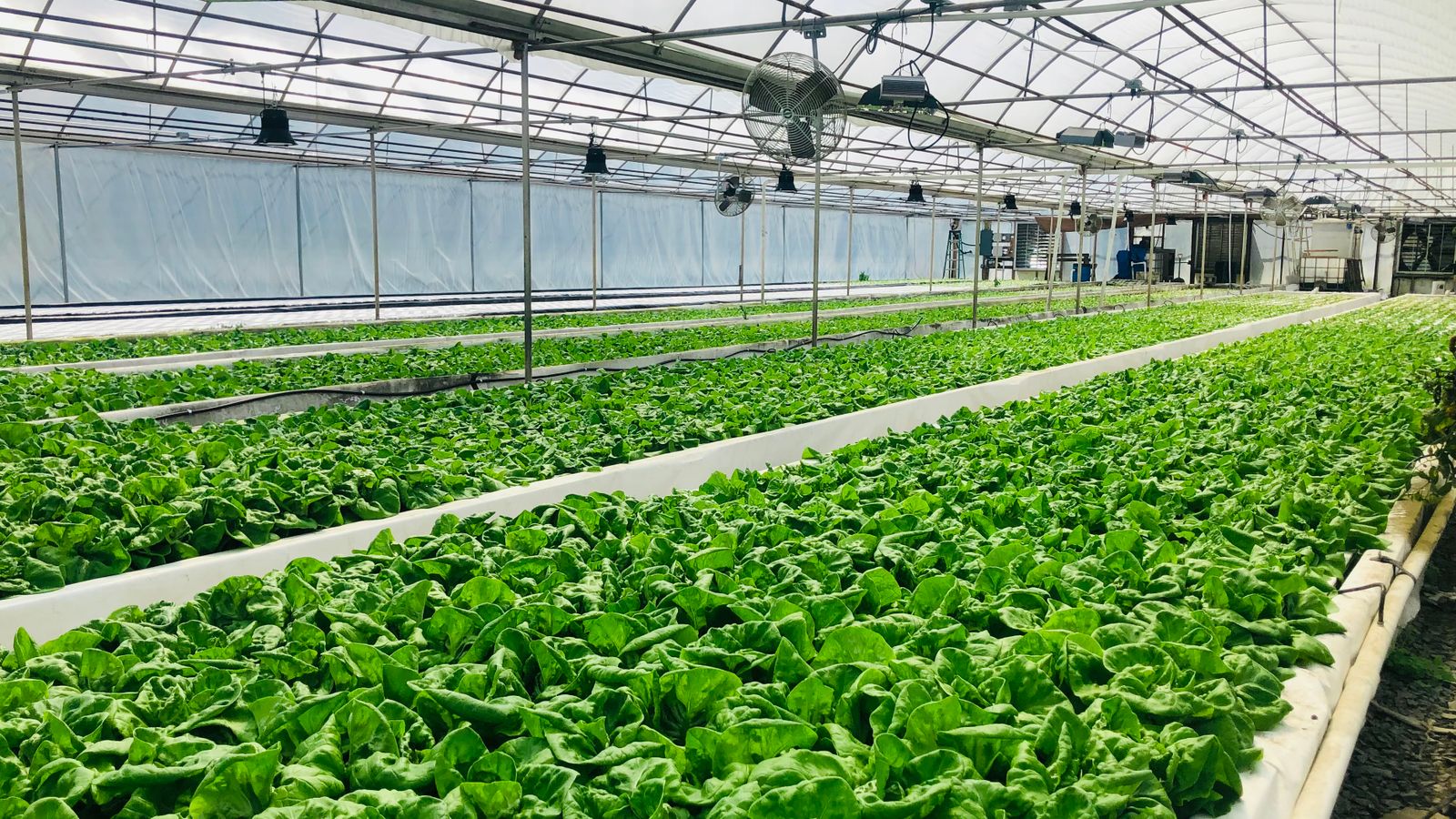
Arizona Cultivator Pioneers Soil-Free Cannabis Hydroponic System
An Arizona cannabis company has deployed a commercial-scale hydroponic cultivation system eliminating soil-based growing entirely.

Foliar Feeding Cannabis: When It Works, When It Wastes Money
Leaf sprays can fix deficiencies fast or burn your crop. Here's the science on stomatal uptake, what nutrients move through leaves, and spray timing.
More from the newsroom

DEA Rescheduling Stalls as Cannabis Lawyers Face Regulatory Limbo
Federal rescheduling remains frozen in administrative review, leaving cannabis attorneys without clear compliance roadmaps.

Marijuana Odor Loses Probable-Cause Status in Growing Number of States
Courts and legislatures are stripping police of the authority to search vehicles based solely on cannabis smell.

Medical Cannabis Operators Face June 26 Deadline for DEA Registration
Businesses that file by Thursday preserve expedited review as federal oversight of medical cannabis supply chains begins.