Marijuana Odor Loses Probable-Cause Status in Growing Number of States
Courts and legislatures are stripping police of the authority to search vehicles based solely on cannabis smell.

A police officer issuing a ticket to a driver during a traffic stop.
The Legal Landscape Has Shifted
State supreme courts in Virginia, Maryland, New Jersey, and Pennsylvania have ruled that marijuana odor alone can't justify a warrantless vehicle search in jurisdictions where possession is legal. These decisions rest on Fourth Amendment grounds: if possession of a small amount is lawful, the smell of cannabis no longer indicates criminal activity. The rulings create a patchwork of enforcement standards that vary sharply by state.
States without legalization? Different story. Officers in Texas, Alabama, and Wyoming continue to rely on smell as a primary search trigger. The divergence complicates interstate travel for drivers and creates training challenges for multi-state law enforcement agencies.
Why Courts Are Reversing Precedent
Judges cite the collapse of the inference that marijuana odor equals criminal conduct. A 2025 New Jersey Supreme Court opinion noted that legal possession of up to six ounces means "the odor of marijuana, standing alone, does not provide a substantial basis for believing that a criminal offense has occurred."
Maryland's Court of Appeals reached the same conclusion in a 2024 ruling, overturning decades of case law that treated cannabis smell as presumptive evidence of illegal possession. Virginia followed in early 2026.
The Probable-Cause Test Now Requires More
Officers must now articulate additional observations. Impaired driving. Open containers. Quantities exceeding legal limits. Other contraband in plain view. Smell can be a supporting factor but not the sole justification. Defense attorneys are successfully suppressing evidence in cases where odor was the only stated basis for a search.
Training bulletins from state police agencies in New York and Illinois now instruct officers to document specific articulable facts beyond odor. The shift has led to a measurable decline in vehicle searches at traffic stops in legalization states, according to preliminary ACLU data from 2025.
Impact on DUI Enforcement
The odor-alone prohibition doesn't affect sobriety checkpoints or DUI investigations where impairment is suspected. Officers retain authority to conduct field sobriety tests and request chemical testing when they observe signs of intoxication. Odor can contribute to reasonable suspicion of impaired driving but can't independently authorize a full vehicle search.
Prosecutors in Colorado and Washington report no measurable impact on DUI conviction rates, suggesting that impairment cases rest on stronger evidence than odor alone.
Legislative Responses
At least five state legislatures have codified the odor-alone prohibition in statute, removing judicial ambiguity. Connecticut's 2024 law explicitly bars vehicle searches based solely on marijuana smell. New Mexico and Rhode Island enacted similar provisions in 2025. These statutes provide clearer guidance than case-by-case court rulings and reduce the risk of inconsistent application.
What Drivers Should Know
Drivers in legalization states should understand that while odor alone may not justify a search, other factors can. Visible paraphernalia, admission of recent use, or observable impairment all provide independent grounds. Refusing a search doesn't create probable cause, but it also doesn't prevent an officer from articulating other reasons.
For full background on this evolving legal standard, see the CannIntel topic hub on marijuana odor and probable cause.
The Next Legal Battleground
Federal enforcement is where this gets messy. DEA agents and border patrol officers operate under federal law, where marijuana remains a Schedule I controlled substance. The odor-alone debate hasn't reached federal courts in a definitive way. That collision is coming.
Defense attorneys are preparing challenges in states where legalization conflicts with federal jurisdiction. The outcome will determine whether the odor-alone prohibition extends to federal officers operating within legalization states.
Frequently asked questions
Can police still search my car if they smell marijuana?
It depends on your state. In legalization states like Virginia, Maryland, New Jersey, and Pennsylvania, odor alone is not enough. Officers need additional evidence of a crime. In prohibition states, marijuana odor remains valid probable cause for a warrantless search.
Does this rule apply to DUI stops?
No. Officers can still conduct field sobriety tests and request chemical testing if they suspect impairment. Odor can contribute to reasonable suspicion of DUI but cannot independently authorize a full vehicle search without other evidence.
What other factors can justify a search?
Visible paraphernalia, open containers, quantities exceeding legal possession limits, observable impairment, or other contraband in plain view. Officers must document specific articulable facts beyond odor to meet the probable-cause standard.
What if I'm driving through multiple states?
The law of the state where you're stopped applies. A search legal in Texas may be unconstitutional in Virginia. Interstate travel creates enforcement complexity, and drivers should know the rules in each jurisdiction.
Does refusing a search create probable cause?
No. Refusing consent does not create probable cause. However, it does not prevent an officer from articulating independent grounds for a search based on other observations or evidence.
Sources
The cannabis newsletter you forward to your team.
Federal policy, market data, grower alerts, and the one story that matters today. Sent every weekday at 7am. Free.
No spam. Unsubscribe with one click. 21+ only.
Related from Laws
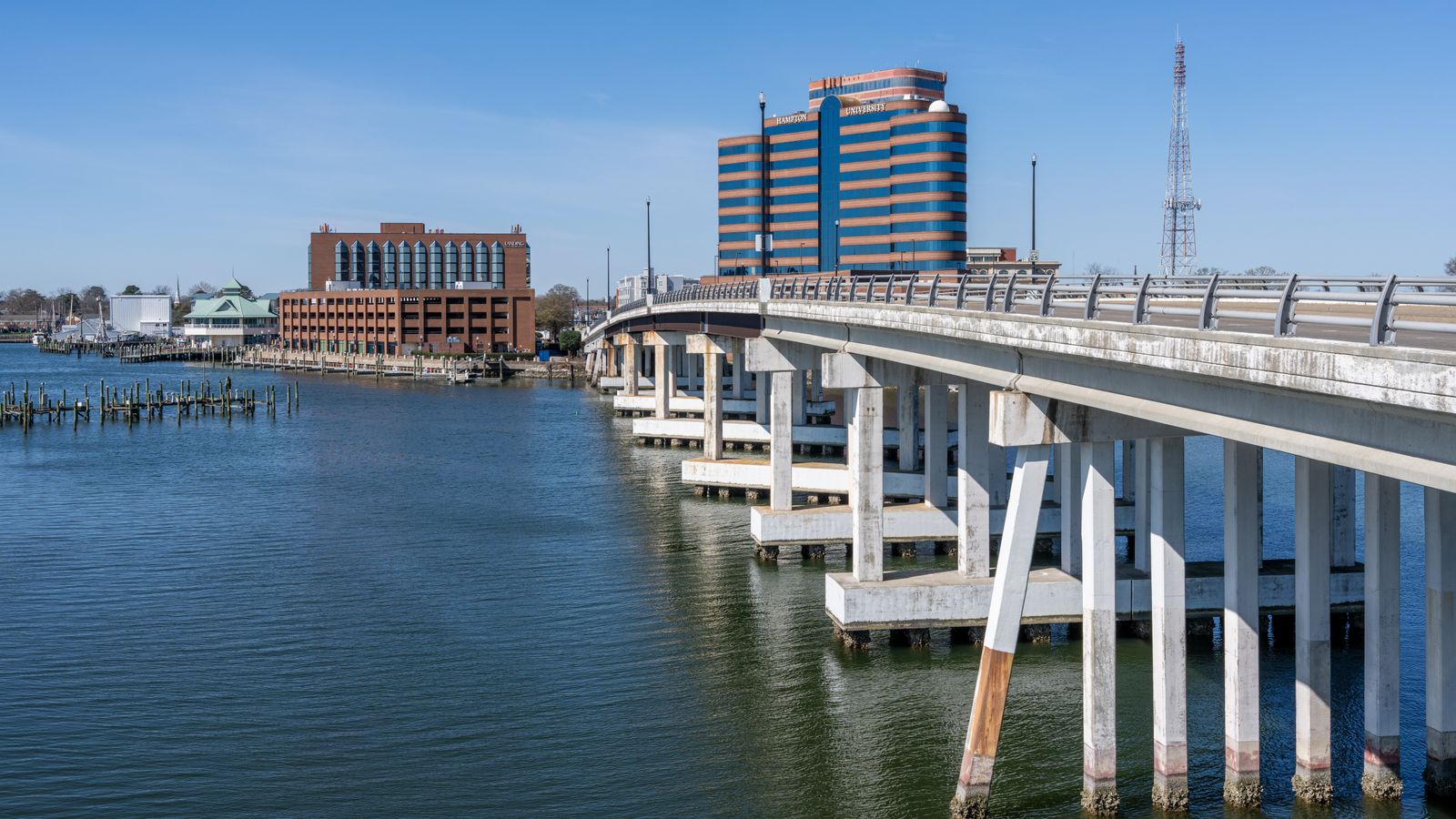
Chesapeake Advances Zoning Rules for Adult-Use Cannabis Retail
City council takes initial step toward regulating where recreational marijuana dispensaries can operate in Virginia's second-largest city.

Cannabis Insurance Bill Seeks to Expand US Insurer Participation
Federal legislation aims to remove regulatory barriers preventing traditional insurers from serving state-legal cannabis operators.
DEA Proposes Schedule I Placement for Psychedelics as FDA Advances Therapy Pathway
Federal agencies diverge on psychedelic access as DEA moves to ban compounds while FDA creates accelerated approval track.
More from the newsroom

Mainstream Insurers Push Federal Bill to Enter Cannabis Market
CLAIM Act targets federal-state conflict blocking carriers post-rescheduling, mirroring SAFE Banking playbook for insurance sector.

Connecticut Cannabis Sales Jump 27% But Revenue Gains Lag Amid Price Collapse
Retailers sold 27.5% more product in first eight months of 2026, yet revenue rose just 6.8% as unit prices fell.

Marijuana Mogul, Pot Growth Firm Challenge $7.8 Million in Taxes
Cannabis executives contest IRS assessment in latest 280E dispute to reach Tax Court.