Video Shows Pediatric Epilepsy Patient's Response to Cannabis Oil
Viral footage documents seizure reduction in child after first cannabis oil dose, reigniting medical-access debate.
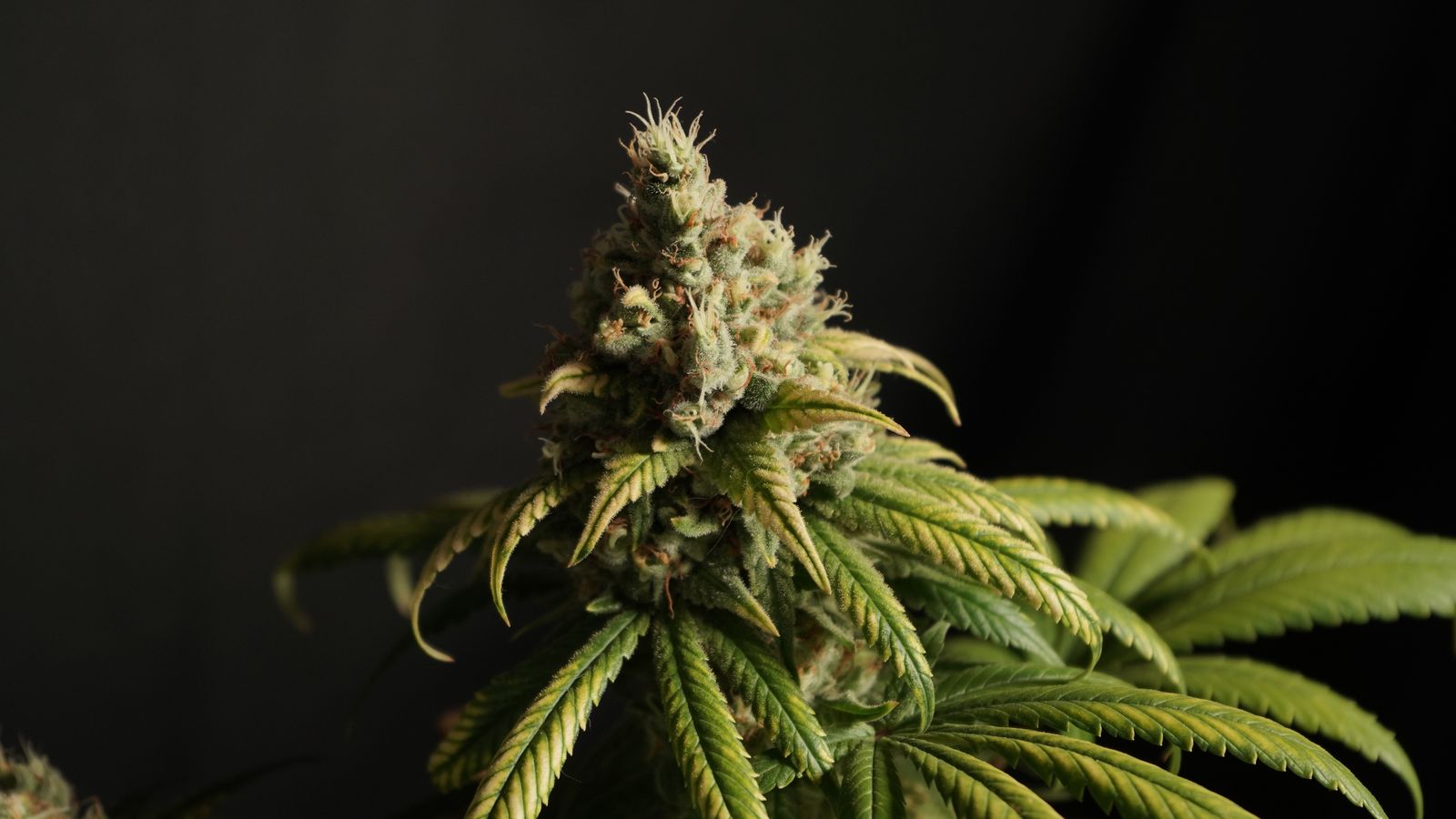
Detailed macro shot of a cannabis flower with trichomes and green leaves against a dark background.
Documented Response Fuels Medical-Access Debate
The video shows a marked behavioral shift in a child previously experiencing frequent seizures, with family members documenting the change within hours of the first cannabis oil administration. Compelling footage. But it's a single uncontrolled case — the kind of evidence that drives parent advocacy but doesn't move FDA approvals.
The timing matters. Pediatric epilepsy remains one of the most politically defensible use cases for medical cannabis programs, even in restrictive states. When Texas and Alabama carved out their first medical exceptions, intractable childhood epilepsy was the wedge issue. This video will circulate in state legislatures where epilepsy carve-outs are still pending.
Here's the challenge: anecdotal evidence like this builds public pressure but doesn't satisfy the evidentiary standard required for physician confidence or insurance reimbursement. That gap is where the medical cannabis industry still loses ground to Epidiolex, the FDA-approved cannabidiol formulation that carries the clinical trial data pediatric neurologists demand.
What the Case Reveals About Treatment-Resistant Epilepsy
Approximately 30% of epilepsy patients don't respond adequately to conventional antiepileptic drugs, creating a treatment-resistant cohort where families turn to cannabis oil as a last-resort intervention. The calculus is brutal: when a child is seizing multiple times per day and pharmaceuticals have failed, parents will seek access through any legal channel — or move states to get it.
The cannabinoid profile in the oil used in this case isn't disclosed in the available footage. That's a recurring problem with viral patient stories. CBD-dominant formulations (typically 20:1 CBD:THC ratios) are the standard in pediatric epilepsy treatment, but dosing, terpene profiles, and extraction methods vary wildly across state programs. Replicating outcomes across patients remains difficult without standardized formulations.
For full background on this story, see the CannIntel topic hub on cannabis for epilepsy treatment.
The Market and Policy Implications
Pediatric epilepsy cases drive medical cannabis program enrollment in states where adult-use remains illegal, but the patient population is too small to move revenue needles for MSOs. The real value? Political cover. When a state medical board is debating program expansion, the epilepsy constituency provides the moral authority that chronic pain patients and PTSD veterans no longer command in legislative hearings.
Market reality is less inspiring. Epidiolex, approved by the FDA in 2018 for Dravet syndrome and Lennox-Gastaut syndrome, captured the commercially insured pediatric epilepsy market. State-licensed cannabis oil remains the option for families without insurance coverage or in states where Epidiolex prescriptions are difficult to access. Narrow lane.
What to watch: whether this video surfaces in state legislative hearings in the next session cycle. If it does, expect it to be paired with testimony from neurologists urging caution — the same dynamic that's played out in every state medical cannabis debate since Colorado in 2000.
Frequently asked questions
What type of cannabis oil is typically used for pediatric epilepsy?
CBD-dominant formulations with ratios around 20:1 CBD to THC are standard in pediatric epilepsy treatment. These oils aim to provide seizure control while minimizing psychoactive effects. Dosing and cannabinoid profiles vary significantly across state medical cannabis programs, complicating efforts to standardize treatment protocols.
How does Epidiolex differ from state-licensed cannabis oil?
Epidiolex is an FDA-approved cannabidiol formulation with clinical trial data supporting its use in Dravet syndrome and Lennox-Gastaut syndrome. It's available by prescription and covered by many insurance plans. State-licensed cannabis oils lack FDA approval, aren't typically covered by insurance, and have variable cannabinoid profiles depending on the producer and state regulations.
What percentage of epilepsy patients are treatment-resistant?
Approximately 30% of epilepsy patients don't respond adequately to conventional antiepileptic drugs, creating a treatment-resistant cohort. These patients and their families often seek alternative therapies, including cannabis oil, when pharmaceuticals fail to control seizures.
Do videos like this influence medical cannabis policy?
Yes. Pediatric epilepsy cases frequently surface in state legislative hearings as moral and political justification for medical cannabis programs. While anecdotal evidence doesn't satisfy clinical trial standards, it builds public pressure and provides cover for lawmakers in restrictive states to carve out medical exceptions.
Why don't more neurologists prescribe cannabis oil for epilepsy?
Most pediatric neurologists prefer FDA-approved treatments like Epidiolex because they carry clinical trial data, standardized dosing, and insurance reimbursement. State-licensed cannabis oils lack these attributes, and many physicians are reluctant to recommend therapies without solid evidentiary support or clear liability protections.
Sources
The cannabis newsletter you forward to your team.
Federal policy, market data, grower alerts, and the one story that matters today. Sent every weekday at 7am. Free.
No spam. Unsubscribe with one click. 21+ only.
Related from Medical

UMN Research Finds Youth Cannabis Use Declining in Minnesota
University of Minnesota study documents drop in adolescent consumption as state enters third year of adult-use legalization.

Spain Study Finds Cannabis Reduces Restless Legs Syndrome Symptoms
Observational research from Barcelona shows measurable symptom improvement in RLS patients using cannabis, with THC-dominant cultivars outperforming CBD-only formulations.
US Hospital Nausea Cases Surge Among Frequent Cannabis Users
New data shows a significant jump in cannabinoid hyperemesis syndrome admissions as high-potency products proliferate.
More from the newsroom
Senate Votes to Delay Federal Hemp THC Product Ban
Upper chamber pushes implementation timeline as industry and regulators seek clarity on intoxicating cannabinoid rules.

Virginia Hemp Retailers Ask Federal Judge to Block State's New THC Cap
A coalition of hemp businesses filed for a preliminary injunction on August 9, 2026, arguing Virginia's 2 mg delta-9 THC limit violates federal law.

Israel Reopens Anti-Dumping Investigation Into Canadian Cannabis Imports
Trade tribunal revives case alleging below-cost flower sales from Canada hurt domestic Israeli cultivators.