Israel Reopens Anti-Dumping Investigation Into Canadian Cannabis Imports
Trade tribunal revives case alleging below-cost flower sales from Canada hurt domestic Israeli cultivators.
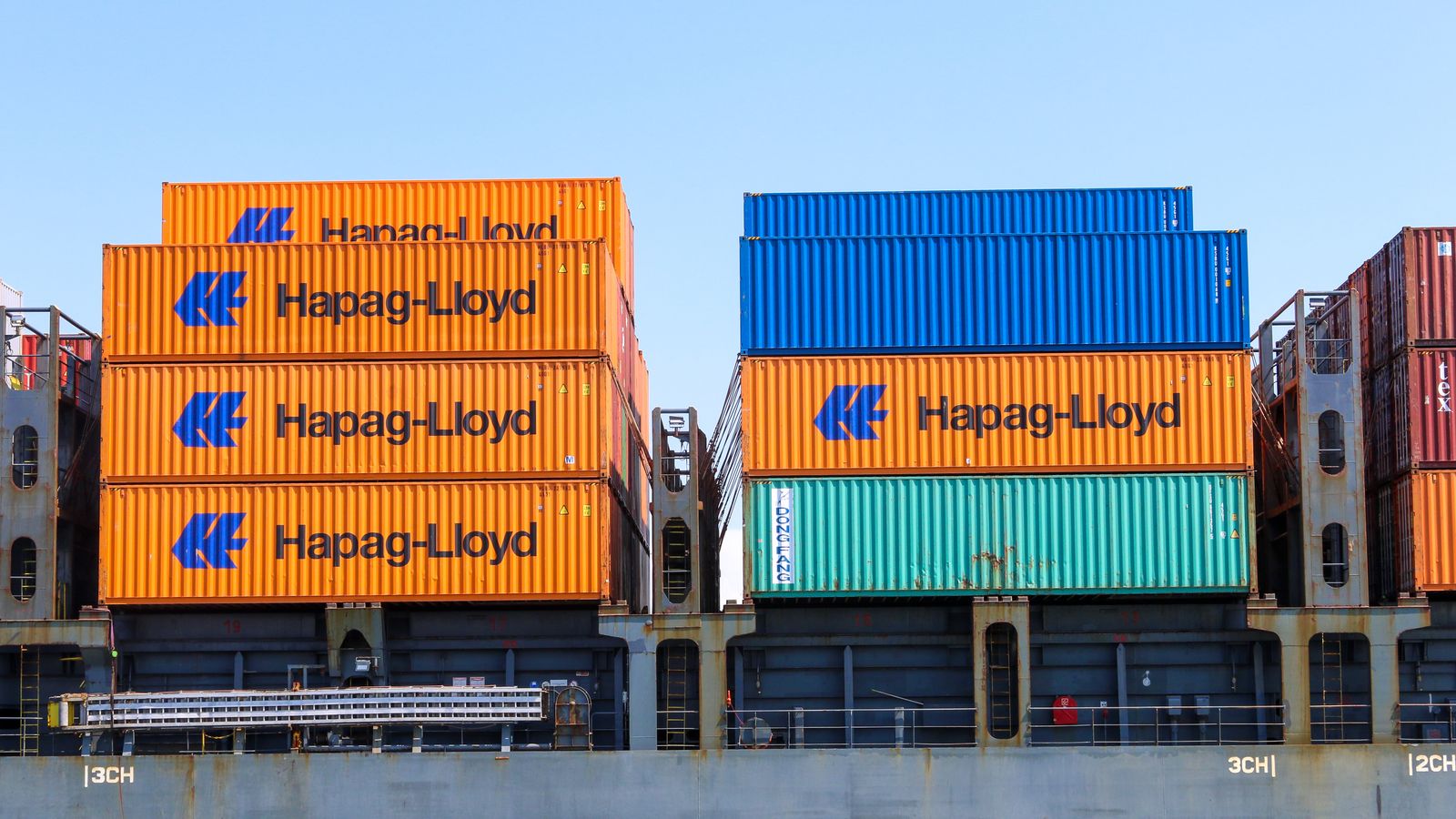
Colorful cargo containers stacked at an industrial port terminal.
Investigation Targets Canadian Medical Cannabis Exports
The Israeli Trade Remedies Authority (TRA) will examine whether Canadian licensed producers sold medical cannabis flower below production cost in the Israeli market between January 2024 and June 2026. The investigation follows a petition filed by Israel's domestic cannabis growers' association, which represents approximately 40 licensed cultivation facilities operating under the Israeli Medical Cannabis Agency (IMCA).
Canadian exports to Israel totaled an estimated 18,000 kilograms of dried flower in 2025, according to Health Canada export data. Israeli petitioners argue that Canadian LPs—facing oversupply and depressed domestic prices—offloaded inventory into Israel at prices as low as $1.20 USD per gram wholesale. That undercuts Israeli producers' average cost of $2.10 per gram.
Case History and 2025 Suspension
The TRA first opened the investigation in March 2025 but suspended proceedings in November 2025 after Canadian exporters agreed to voluntary price undertakings. Those undertakings committed Canadian suppliers to minimum export prices of $1.85 USD per gram FOB.
The TRA's August 9 notice states that "new evidence of sustained below-cost sales" emerged in the first half of 2026, prompting the reopening. Israeli customs data reviewed by the TRA reportedly shows shipments invoiced at $1.30-$1.50 per gram during Q1 and Q2 2026. Below the agreed floor.
Potential Tariff Range and Timeline
If the TRA finds dumping and material injury, Israel could impose anti-dumping duties ranging from 25% to 40% on Canadian cannabis imports. The investigation timeline calls for:
- Preliminary findings by November 2026
- Public comment period through December 2026
- Final determination by February 2027
- Tariffs effective 30 days after final ruling
Provisional duties could be imposed as early as December 2026 if the TRA's preliminary report supports the dumping allegation.
Impact on Canadian Licensed Producers
Israel represents the second-largest export market for Canadian medical cannabis, behind only Germany. Canadian LPs shipped approximately $22 million CAD worth of dried flower and oils to Israel in 2025, according to Health Canada's quarterly export reports.
Tariffs in the 30%+ range would effectively close the Israeli market to most Canadian suppliers, whose margins on export sales already average less than 15%. Major Canadian exporters to Israel include Tilray Medical, Aurora Cannabis, and Organigram, though none have publicly commented on the reopened investigation.
Israeli Domestic Industry Claims
Israeli cultivators argue that Canadian dumping has driven wholesale flower prices down 38% since early 2024, forcing facility closures and layoffs. The domestic growers' petition cites three licensed producers that ceased operations in 2025, eliminating approximately 200 jobs.
Israeli cultivation costs remain structurally higher than Canada's due to water scarcity, energy costs, and smaller-scale operations—factors that the TRA will weigh against claims of competitive disadvantage versus genuine dumping.
Israel's medical cannabis program serves roughly 130,000 registered patients. Domestic production supplies an estimated 65% of demand. Imports—primarily from Canada, Portugal, and the Netherlands—fill the gap.
Trade Law Framework and WTO Compliance
Israel's anti-dumping procedures follow World Trade Organization (WTO) guidelines under the Agreement on Implementation of Article VI of GATT 1994. The TRA must demonstrate both below-cost sales and a causal link between those sales and injury to the domestic industry.
Canadian exporters may challenge the findings through the TRA's administrative review process or escalate to WTO dispute settlement if tariffs are imposed. Canada hasn't yet filed a formal response to the reopened investigation.
What to Watch
The preliminary report in November will signal whether provisional duties are likely. Canadian LPs with significant Israeli exposure may seek renewed price undertakings to avoid tariffs, though the TRA's willingness to accept a second round of commitments is uncertain after the alleged 2026 breaches.
For full background on this story, see the CannIntel topic hub on Israel-Canada Cannabis Trade. The outcome will set a precedent for how cannabis-exporting nations handle surplus inventory without triggering trade remedies in smaller import markets.
Frequently asked questions
What is anti-dumping in cannabis trade?
Anti-dumping refers to tariffs imposed when a country determines that foreign producers are selling goods below production cost or home-market price, causing material injury to domestic industry. Israel alleges Canadian LPs sold flower below cost to offload surplus inventory.
How much cannabis does Canada export to Israel?
Canada exported approximately 18,000 kilograms of dried flower to Israel in 2025, valued at roughly $22 million CAD. Israel is Canada's second-largest medical cannabis export market after Germany.
When will Israel decide on tariffs?
Preliminary findings are due November 2026. Provisional duties could be imposed by December 2026. A final determination is expected by February 2027, with tariffs effective 30 days later if dumping is confirmed.
Can Canadian companies challenge the decision?
Yes. Canadian exporters may appeal through Israel's Trade Remedies Authority administrative review or escalate to WTO dispute settlement if they believe the investigation violates international trade law.
Why are Canadian cannabis prices lower than Israel's?
Canadian LPs benefit from larger-scale operations, lower energy costs, and domestic oversupply that has driven wholesale prices down. Israeli cultivators face higher water and energy costs and operate smaller facilities, resulting in structurally higher production costs.
Sources
The cannabis newsletter you forward to your team.
Federal policy, market data, grower alerts, and the one story that matters today. Sent every weekday at 7am. Free.
No spam. Unsubscribe with one click. 21+ only.
Related from Business

Delaware Adult-Use Sales Miss First-Year Projections by Wide Margin
State regulators overestimated demand, infrastructure readiness, and consumer shift from medical to recreational channels.
Safe Harbor Financial Reports Q2 2026 Results, Revenue Climbs 18%
The cannabis banking specialist posted $4.2 million in quarterly revenue as deposit growth accelerated across Western state clients.

Tilray Bets on Cannabis Demand to Reverse Revenue Slide
The diversified cannabis operator faces investor skepticism as it pivots growth strategy toward U.S. legalization tailwinds.
More from the newsroom

THC Drug Eliminated Nightmares in 37% of PTSD Patients, German Trial Finds
Nabilone, a synthetic THC analog, outperformed placebo in reducing trauma-related nightmares in a 10-week randomized controlled trial.

Senate Hemp THC Vote Fractures Partisan Lines in Rare Coalition Split
A procedural vote on intoxicating hemp products broke traditional Republican and Democratic blocs, signaling deepening rifts over cannabis policy.

Hochul Signs Bill Expanding Microbusiness, Dispensary Pathways in NY
New law loosens ownership restrictions and creates new licensing routes for small operators in New York's cannabis market.