Senate Votes to Delay Federal Hemp THC Product Ban
Upper chamber pushes implementation timeline as industry and regulators seek clarity on intoxicating cannabinoid rules.
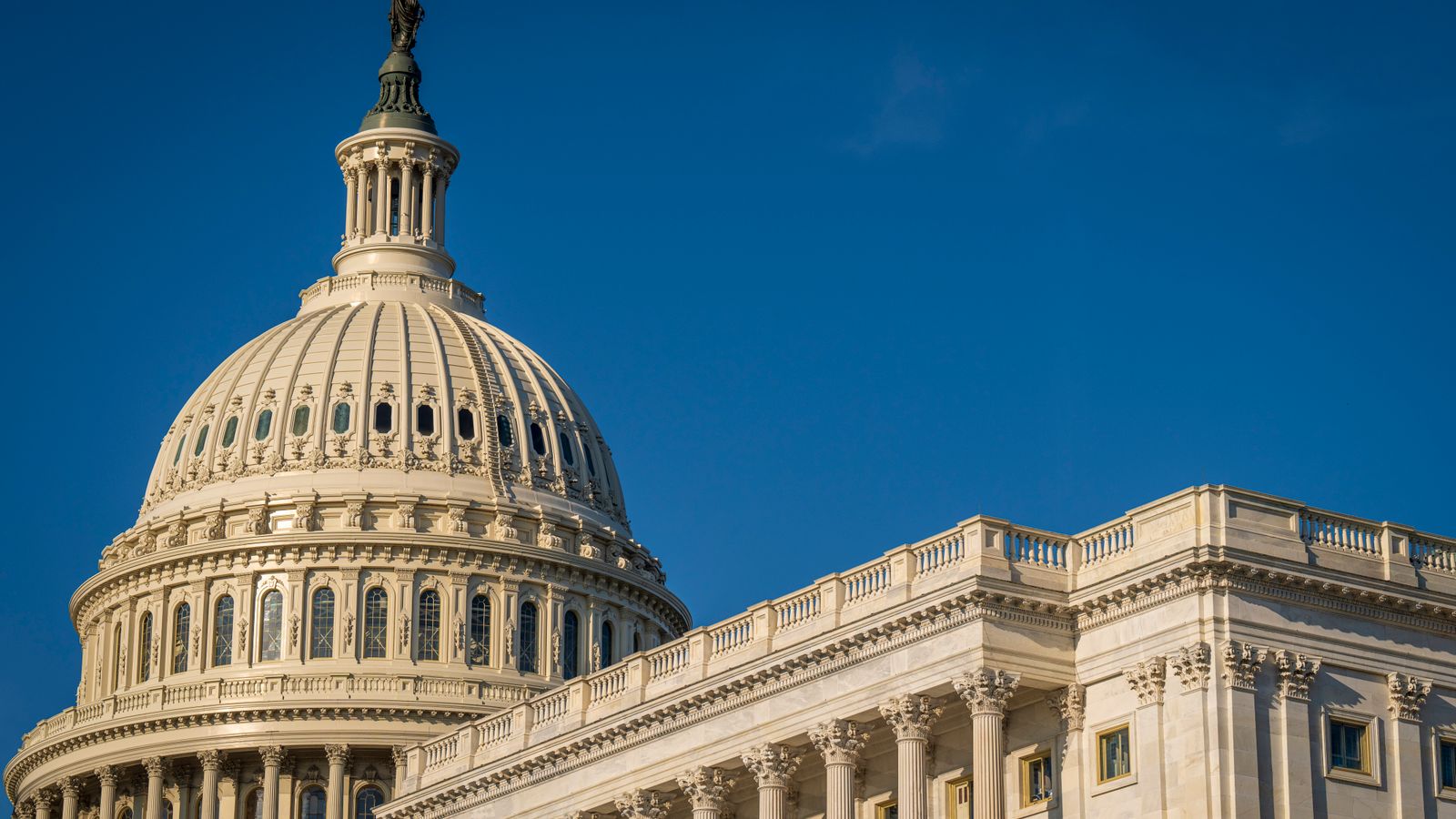
The iconic dome of the United States Capitol against a clear blue sky, showcasing its classical architecture.
Senate Action Extends Compliance Window
The Senate's voice vote Monday granted a four-month extension to the hemp THC product ban originally scheduled to take effect September 1, 2026. The delay applies to all intoxicating hemp-derived cannabinoids, including delta-8 THC, delta-10 THC, THC-O, and THCA products sold outside state-licensed cannabis channels. No senator requested a recorded vote. That signals broad bipartisan support. The measure now moves to the House, where Agriculture Committee Chair GT Thompson (R-PA) has indicated he'll schedule a floor vote before the August recess.Regulatory Framework Still Under Construction
USDA and FDA officials told Senate Agriculture Committee staff they need additional time to finalize testing standards and labeling requirements for compliant hemp products. The agencies are drafting a joint rule that'll set maximum THC thresholds, require third-party lab testing, and establish packaging standards for non-intoxicating hemp CBD products. Industry groups including the U.S. Hemp Roundtable and the Hemp Industries Association submitted a joint letter July 29 requesting the delay, citing confusion over which products would remain legal under the new framework.The extension gives state regulators and licensed operators time to align their inventory and compliance systems with the federal standard, avoiding a September 1 cliff that would have forced immediate product recalls across thousands of retail locations.
State-Level Enforcement Remains Patchwork
Twenty-three states have enacted their own bans or restrictions on intoxicating hemp products, creating a fragmented compliance landscape that the federal rule aims to harmonize. Colorado, Oregon, and Minnesota have already prohibited delta-8 THC sales. Texas and Florida allow hemp-derived cannabinoids with varying potency caps and testing requirements. The January 1, 2027, federal deadline will preempt state rules only where the federal standard is stricter.Industry Impact and Compliance Costs
The hemp-derived cannabinoid market generated an estimated $2.8 billion in retail sales in 2025, with delta-8 THC products accounting for approximately 60 percent of that volume. Operators in the space face substantial compliance costs under the new federal framework, primarily gas stations, vape shops, and online retailers:- Third-party lab testing: $150–$400 per batch
- Packaging redesign and inventory replacement: estimated $50,000–$200,000 per mid-size retailer
- State-by-state registration fees where dual compliance is required
Congressional Oversight and Dr. Oz Hearing
Senate Health, Education, Labor and Pensions Committee held an August 6 hearing where celebrity physician Dr. Mehmet Oz pressed lawmakers to clarify the legal status of hemp-derived CBD products. Oz, testifying as a private citizen, argued that consumer confusion over CBD legality has suppressed adoption of non-intoxicating hemp supplements. Senator Rand Paul (R-KY) used the hearing to criticize FDA's failure to issue a final CBD food and supplement rule, calling the agency's inaction "regulatory malpractice." FDA Commissioner Dr. Robert Califf responded that the agency expects to publish a proposed rule by October 2026.Related Developments in Hemp Policy
The delay vote follows several other hemp-sector developments in August 2026. Payment processor Square announced August 7 it'll no longer serve hemp and CBD merchants, citing compliance risk under federal banking regulations. The policy change affects an estimated 12,000 small retailers who used Square for point-of-sale transactions. Georgia's medical cannabis program began accepting cultivation license applications August 5, with six licenses available under the state's 2019 law. Separately, Texas Senate candidate Colin Allred released a campaign platform August 8 supporting federal marijuana decriminalization and expungement of prior convictions.What's Next for Hemp THC Regulation
House passage of the delay is expected by August 15, giving USDA and FDA until December 15 to publish final rules. Industry observers expect the agencies will set a 0.3 percent total THC limit (matching the 2018 Farm Bill hemp definition) and require child-resistant packaging and health warnings. For full background on the federal hemp THC debate and state-by-state status, see the CannIntel topic hub on the federal hemp THC ban. The January 1, 2027, deadline leaves 144 days for operators to reformulate products, update labeling, and register with state authorities where required.For complete background, history, and our ongoing coverage of this story:
Open the CannIntel topic hub →Frequently asked questions
When does the federal hemp THC product ban now take effect?
January 1, 2027. The Senate voted August 10, 2026, to delay the ban from its original September 1, 2026, effective date, giving regulators and industry four additional months to finalize compliance frameworks.
Which hemp products are affected by the federal ban?
All intoxicating hemp-derived cannabinoids sold outside state-licensed cannabis programs, including delta-8 THC, delta-10 THC, THC-O, and THCA products. Non-intoxicating hemp CBD products remain legal under the 2018 Farm Bill, pending final FDA food and supplement rules.
What compliance steps must hemp retailers take before January 1, 2027?
Retailers must reformulate or discontinue products exceeding federal THC limits, implement third-party lab testing, update packaging to meet child-resistant and labeling standards, and register with state authorities where dual compliance is required. Estimated mid-size retailer cost: $50,000–$200,000.
How does the federal ban interact with state hemp laws?
The federal rule preempts state laws only where the federal standard is stricter. Twenty-three states have already enacted their own bans or restrictions on intoxicating hemp products; operators must comply with whichever standard is more restrictive in their jurisdiction.
When will USDA and FDA publish final hemp THC rules?
December 15, 2026. The agencies committed to that deadline in testimony to Senate Agriculture Committee staff, allowing 16 days before the January 1, 2027, enforcement date for industry to review final requirements.
Sources
The cannabis newsletter you forward to your team.
Federal policy, market data, grower alerts, and the one story that matters today. Sent every weekday at 7am. Free.
No spam. Unsubscribe with one click. 21+ only.
Related from Laws

Virginia Hemp Users Challenge Cannabis Law Over Product Access
Consumers and businesses say state's adult-use framework restricts hemp-derived products they've used for years.
Bipartisan Bill Exempts Hemp THC Drinks From Federal Ban
New legislation would carve out hemp beverages from the looming recriminalization, regulating them like alcohol instead.

Senate Hemp THC Vote Fractures Partisan Lines in Rare Coalition Split
A procedural vote on intoxicating hemp products broke traditional Republican and Democratic blocs, signaling deepening rifts over cannabis policy.
More from the newsroom
Minnesota Cannabis Operators Face Licensing Delays, Inventory Shortages
State regulators struggle to process applications as businesses report cash-flow strain and supply gaps.
Pre-Employment Cannabis Testing Rises After Two-Year Decline
Employers resume THC screening as federal rescheduling stalls and workplace-safety litigation climbs.

Delaware Adult-Use Sales Miss First-Year Projections by Wide Margin
State regulators overestimated demand, infrastructure readiness, and consumer shift from medical to recreational channels.