Pre-Employment Cannabis Testing Rises After Two-Year Decline
Employers resume THC screening as federal rescheduling stalls and workplace-safety litigation climbs.
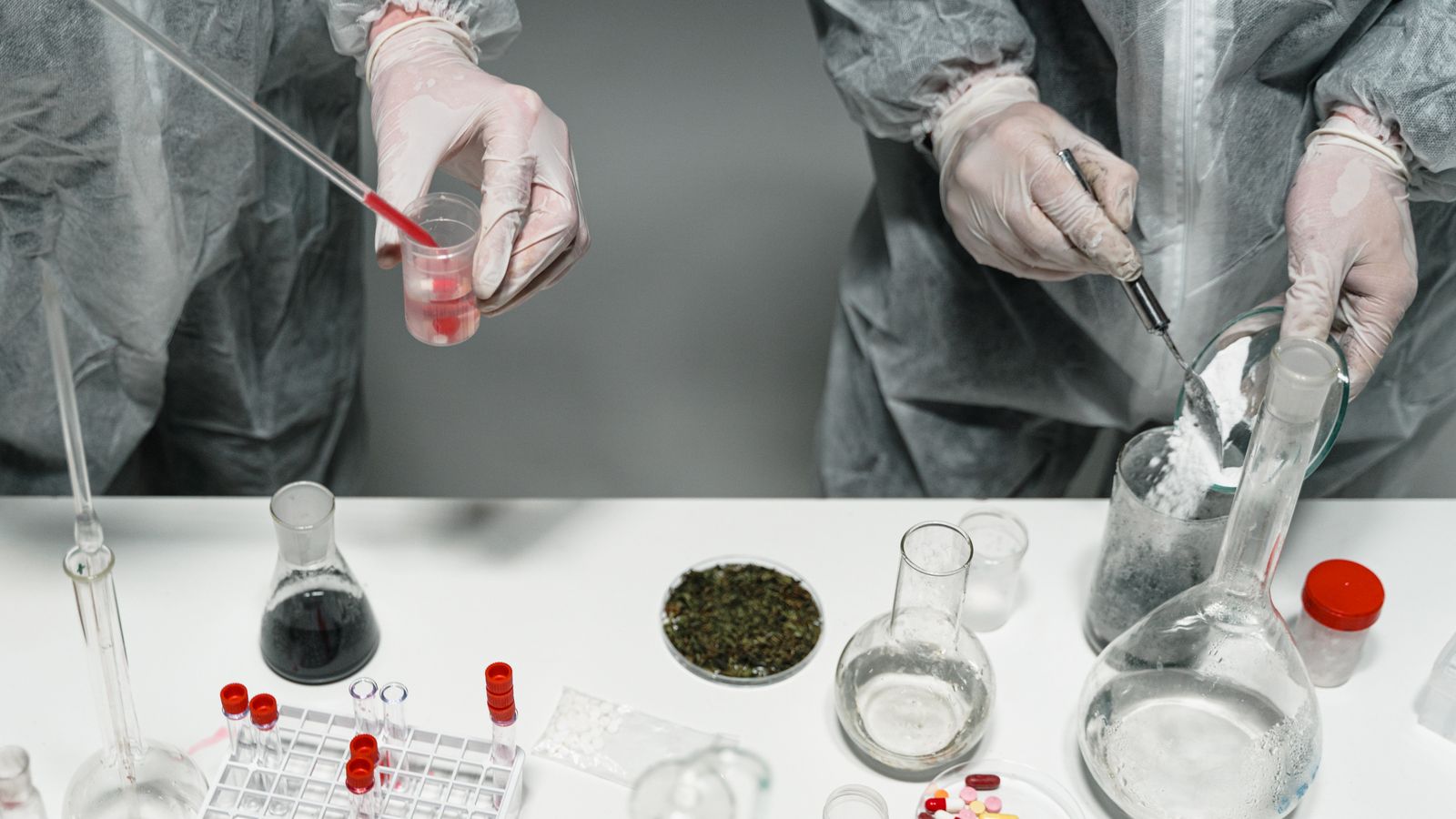
Scientists in protective gear conducting experiments in a modern laboratory setting.
Testing Rates Climb in Safety-Sensitive Industries
Quest Diagnostics reported a 7.2 percent increase in pre-employment THC testing orders during the first six months of 2026 compared to the same period in 2025. The uptick is concentrated in transportation, logistics, construction, and manufacturing—sectors where employers cite federal Department of Transportation mandates and rising workers' compensation premiums as key drivers.
Transportation and warehousing employers accounted for 41 percent of the increase, according to Quest's Drug Testing Index released in July 2026. Construction firms followed at 28 percent. Both industries face federal contractor obligations that require drug-free workplace policies, and many cite uncertainty around cannabis impairment standards as a reason to maintain THC screens.
Retail and hospitality sectors tell a different story. They largely abandoned pre-employment cannabis testing in 2023 and 2024 to compete for workers, and they haven't resumed testing at scale. Quest data shows these industries still test at rates 60 percent below 2019 baselines.
Litigation and Insurance Pressure Employers
Workplace-injury cases involving cannabis use climbed to 1,840 federal and state filings in the twelve months ending June 2026, up from 1,370 in the prior period. Lex Machina's employment-litigation database shows the increase is driven by disputes over workers' compensation denials after positive post-incident THC tests.
- Employers in 19 states with adult-use legalization but no workplace-protections statute face the highest litigation rates.
- Insurers in California, Colorado, and Michigan have increased workers' comp premiums by an average of 12 percent for employers who don't conduct pre-employment or random THC testing.
- Defense verdicts in these cases have favored employers in 68 percent of rulings where a positive THC test was documented within 24 hours of an incident.
The litigation trend has prompted risk-management consultants to advise clients to reinstate or maintain pre-employment screens, even in states where off-duty cannabis use is protected by statute. Employers argue that pre-hire testing establishes a baseline and deters on-the-job use. No peer-reviewed study has validated that deterrent effect.
Federal Rescheduling Delay Removes Compliance Incentive
The Drug Enforcement Administration's failure to finalize cannabis rescheduling to Schedule III by mid-2026 has eliminated a key reason employers expected to drop THC testing. Many HR departments had planned policy changes contingent on rescheduling, which would've aligned cannabis with medications like Adderall and codeine—substances that trigger accommodation discussions rather than automatic disqualification.
The DEA's Administrative Law Judge hearings, which began in May 2026, are now expected to extend into early 2027. That timeline has frozen corporate policy changes. A survey of 340 employers by the Society for Human Resource Management in June 2026 found that 52 percent are maintaining current testing protocols until the DEA issues a final rule.
Federal contractors face an additional layer of uncertainty. The Drug-Free Workplace Act of 1988 requires policies prohibiting Schedule I substances, but the Act's applicability to a rescheduled cannabis remains unclear. The Office of Federal Contract Compliance Programs hasn't issued guidance. Employers sit in a compliance gray zone.
What Employers and Job Seekers Should Watch
The testing reversal creates a bifurcated labor market: safety-sensitive roles with restored THC screens, and consumer-facing roles where testing remains rare. Job seekers in logistics, construction, and manufacturing should expect pre-employment drug panels to include THC through at least 2027, regardless of state legalization status.
For context on how state laws interact with employer testing policies, see the CannIntel topic hub on workplace cannabis testing.
Employers in states with employee-protections statutes—New York, New Jersey, California, Connecticut, Montana, Nevada, and Rhode Island—must work through carve-outs for safety-sensitive positions. New York's statute, for example, permits testing for roles that would create a significant risk of harm, but doesn't define the term. Litigation over that definition is ongoing in the Second Circuit.
The bull case for continued testing: insurers reward it, litigation risk falls, and federal ambiguity persists. The bear case: talent pools shrink, state protections expand, and reliable impairment tests arrive within 24 months. Right now, the bull case is winning.
Sources
The cannabis newsletter you forward to your team.
Federal policy, market data, grower alerts, and the one story that matters today. Sent every weekday at 7am. Free.
No spam. Unsubscribe with one click. 21+ only.
Related from Business
Minnesota Cannabis Operators Face Licensing Delays, Inventory Shortages
State regulators struggle to process applications as businesses report cash-flow strain and supply gaps.

Delaware Adult-Use Sales Miss First-Year Projections by Wide Margin
State regulators overestimated demand, infrastructure readiness, and consumer shift from medical to recreational channels.

Safe Harbor Financial Reports Q2 2026 Results, Revenue Climbs 18%
The cannabis banking specialist posted $4.2 million in quarterly revenue as deposit growth accelerated across Western state clients.
More from the newsroom

Houston Ballot Measure Sets Marijuana Arrests as Lowest Police Priority
November 2026 initiative would direct HPD to deprioritize possession enforcement under four ounces.

Virginia Hemp Users Challenge Cannabis Law Over Product Access
Consumers and businesses say state's adult-use framework restricts hemp-derived products they've used for years.

Bipartisan Bill Exempts Hemp THC Drinks From Federal Ban
New legislation would carve out hemp beverages from the looming recriminalization, regulating them like alcohol instead.