UMN Research Finds Youth Cannabis Use Declining in Minnesota
University of Minnesota study documents drop in adolescent consumption as state enters third year of adult-use legalization.
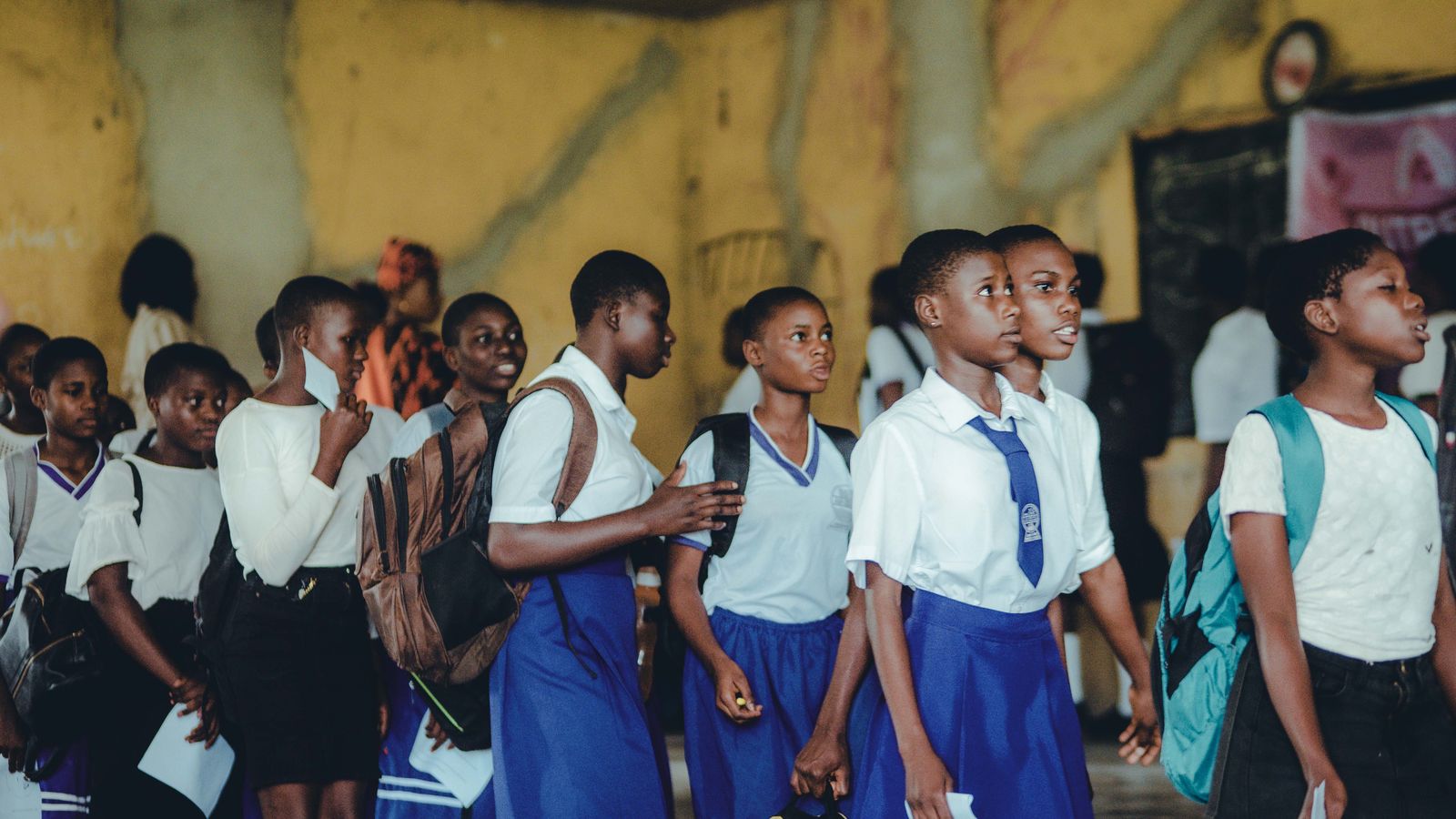
Group of African high school girls in uniform during class transition indoors.
Study Tracked Three-Year Window Across Legalization
The UMN research team surveyed 4,200 Minnesota adolescents annually from 2023 through 2026, capturing baseline data before adult-use sales launched in May 2024. Past-30-day cannabis use among high school students fell from 18.3% in 2023 to 15.7% in 2026. That's a 14% relative decline. The sharpest drop occurred among 14-to-15-year-olds, where reported use fell from 11.2% to 8.9%.
Researchers controlled for demographic variables including household income, urbanicity, and prior tobacco use. The dataset drew from Minnesota's Student Survey, a biennial instrument administered by the state Department of Education, supplemented with targeted UMN follow-up cohorts.
Lead investigator Dr. Hannah Voss, a public health epidemiologist at UMN's School of Public Health, said the findings align with post-legalization trends observed in Colorado and Washington. "We're not seeing the adolescent surge that opponents predicted," Voss said in a university press release.
Minnesota Launched Adult-Use Sales in May 2024
Minnesota's adult-use market opened May 1, 2024, under the state's Cannabis Management Office (CMO), which issued 280 retail licenses in the first 18 months. The state imposed a 10% excise tax at retail and capped THC potency for flower at 30% and concentrates at 80%. Those limits rank among the strictest in any adult-use state.
The CMO also required all dispensaries to post signage prohibiting sales to minors and funded $12 million in prevention messaging targeting teens. That campaign, branded "Know the Facts MN," ran on TikTok, Snapchat, and in high school health curricula starting in fall 2024.
The state's regulatory framework prioritized youth prevention from day one, and early data suggest those guardrails are working.
For full background on youth consumption trends across legal states, see the CannIntel topic hub on youth cannabis use trends.
Perception of Harm Rose Among Surveyed Teens
The UMN study also measured adolescent risk perception, finding that 62% of respondents in 2026 viewed regular cannabis use as "moderate or great risk," up from 54% in 2023. That 8-percentage-point climb suggests messaging around impaired driving, mental health risks, and academic impact reached the target demographic.
Voss noted that the perception shift occurred despite increased visibility of legal cannabis storefronts. "Normalization doesn't automatically mean trivialization," she said. "When regulation is visible and consistent, it can reinforce that this is a controlled substance."
The study didn't track illicit-market purchases, a limitation Voss acknowledged. Black-market cannabis remains available in Minnesota, though CMO enforcement data show a 22% drop in unlicensed storefront complaints between 2024 and 2026.
Implications for Other States Weighing Legalization
Minnesota's data arrive as Ohio, Pennsylvania, and Wisconsin debate adult-use ballot measures for 2027, with youth-impact arguments dominating opposition campaigns. Anti-legalization groups in those states have cited pre-2023 studies from early-legal markets that showed mixed or inconclusive adolescent trends.
The UMN findings won't settle that debate. But they add to a growing body of evidence that youth use rates either hold steady or decline after legalization, provided states fund prevention and enforce age-verification rules. That pattern has emerged in longitudinal studies from Colorado, Washington, and Oregon.
Minnesota's 10% excise tax generated $87 million in its first fiscal year, with 15% earmarked for school-based prevention programs. That funding model, paired with strict potency caps and retail buffer zones around schools, forms the regulatory architecture that public health advocates now point to as a replicable template.
We'll be watching whether Minnesota's trend holds through 2027, when the state's biennial Student Survey returns with a larger sample. If the decline persists, expect Minnesota to become Exhibit A in legalization campaigns nationwide.
Sources
The cannabis newsletter you forward to your team.
Federal policy, market data, grower alerts, and the one story that matters today. Sent every weekday at 7am. Free.
No spam. Unsubscribe with one click. 21+ only.
Related from Medical

THC Drug Eliminated Nightmares in 37% of PTSD Patients, German Trial Finds
Nabilone, a synthetic THC analog, outperformed placebo in reducing trauma-related nightmares in a 10-week randomized controlled trial.
US Hospital Nausea Cases Surge Among Frequent Cannabis Users
Emergency departments report sharp increase in cannabinoid hyperemesis syndrome admissions as daily consumption patterns shift nationwide.

VCU's Massey Receives $2.7M NIH Grant for Cannabis Pain Research
Federal funding will support study of cannabinoid mechanisms in chronic pain management.
More from the newsroom

Senate Hemp THC Vote Fractures Partisan Lines in Rare Coalition Split
A procedural vote on intoxicating hemp products broke traditional Republican and Democratic blocs, signaling deepening rifts over cannabis policy.

Hochul Signs Bill Expanding Microbusiness, Dispensary Pathways in NY
New law loosens ownership restrictions and creates new licensing routes for small operators in New York's cannabis market.

Monaco Bans THC Derivatives and Mushroom Edibles in Sovereign Order
The principality adds synthetic cannabinoids and psilocybin-containing products to its controlled substances list effective immediately.