Illinois Adds Two New Medical Marijuana Qualifying Conditions
State expands patient access with chronic pain and anxiety as qualifying diagnoses

Historic Indiana State Capitol Building in Indianapolis during springtime with blooming trees.
Chronic Pain and Anxiety Now Qualify
Illinois patients diagnosed with chronic pain or anxiety disorders can now apply for medical cannabis cards under rules that took effect August 25. The Illinois Department of Public Health finalized the additions following a statutory review process that began in early 2026.
Chronic pain had been a qualifying condition only when tied to specific diagnoses like cancer or fibromyalgia. The new rule removes that limitation. Anxiety disorders qualify broadly, covering generalized anxiety disorder, panic disorder, and social anxiety disorder.
The timing is political. Illinois lawmakers pushed the Department to act after adult-use sales eclipsed medical sales by a 4-to-1 margin in 2025, eroding the program's original patient-protection rationale.
Patient Count Expected to Double
Illinois currently has approximately 140,000 active medical marijuana cardholders. Industry analysts project the two new conditions could add 100,000 to 150,000 patients within 18 months. Chronic pain alone affects an estimated 1.2 million Illinois adults, according to state health survey data.
Medical patients pay lower taxes than adult-use consumers. The state collects a 1% cultivation tax on medical cannabis versus a 10% adult-use cannabis tax, plus municipal and county levies that can push the total effective rate above 30% in Chicago.
That tax arbitrage makes the expansion a revenue question for municipalities. Chicago collected $68 million in adult-use cannabis taxes in fiscal 2025. If 20% of those purchases migrate to medical, the city loses $13 million annually.
Application Process Unchanged
Patients seeking certification under the new conditions follow the same application process as existing cardholders: physician certification, state application, and a $50 fee. The Illinois Department of Public Health estimates a 30-day turnaround for new applications.
Physicians must hold an Illinois medical license and complete a four-hour state-approved training course to certify patients. As of July 2026, 2,800 physicians were registered to certify patients, up from 1,900 in 2024.
For full background on this story, see the CannIntel topic hub on the Illinois Medical Marijuana Program.
What to Watch
The next policy pressure point is reciprocity. Illinois doesn't recognize out-of-state medical cards, a gap that patient advocates have targeted since the adult-use market launched in 2020. A reciprocity bill introduced in the spring 2026 legislative session stalled in committee but is expected to resurface in 2027.
Separately, the Illinois Cannabis Regulation Oversight Officer is required to report on medical program enrollment trends by December 31, 2026. That report will quantify the fiscal impact of the expansion and could inform future condition additions.
Sources
The cannabis newsletter you forward to your team.
Federal policy, market data, grower alerts, and the one story that matters today. Sent every weekday at 7am. Free.
No spam. Unsubscribe with one click. 21+ only.
Related from Medical
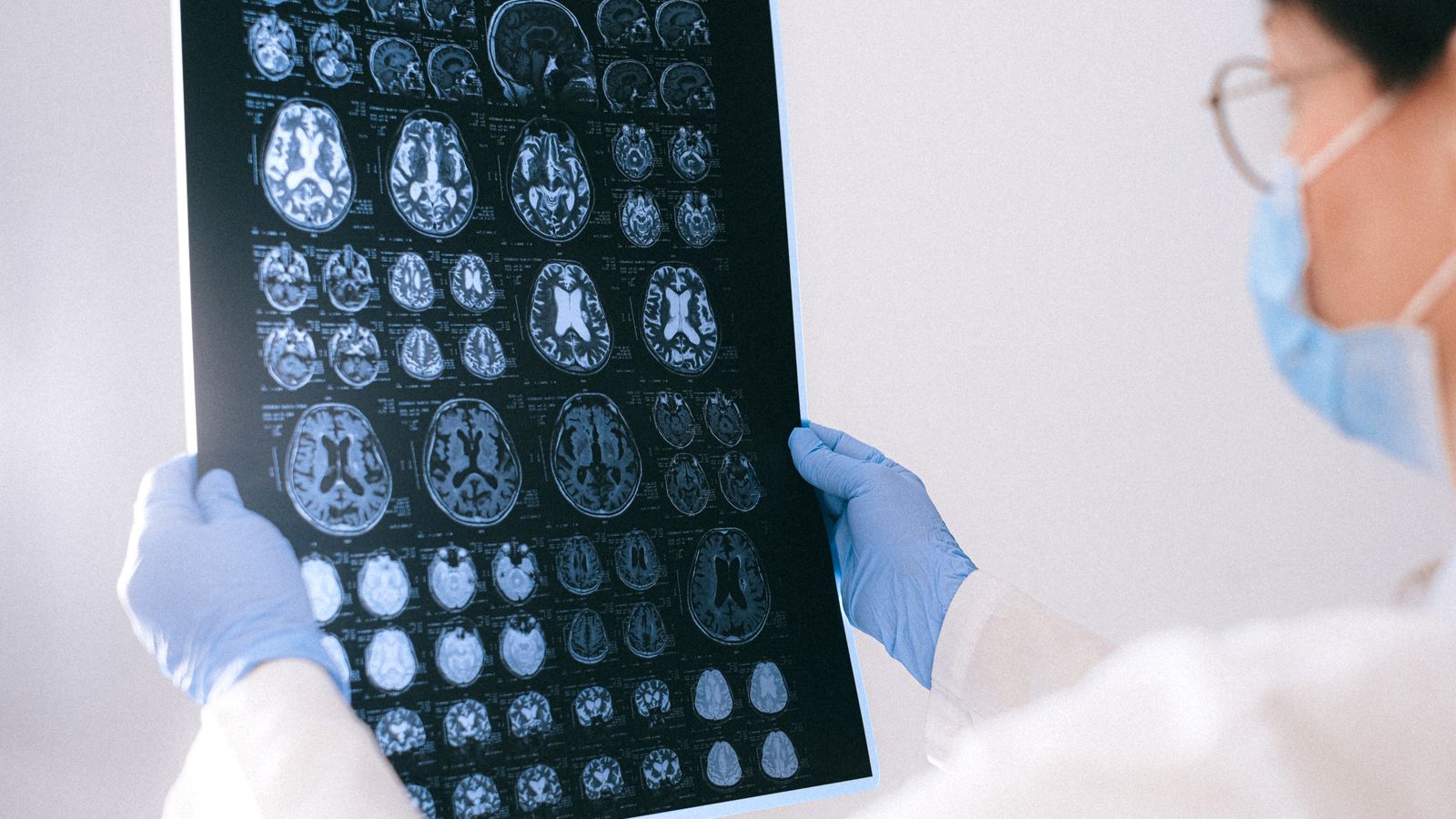
New Studies Link THC Exposure to Alzheimer's Drug Mechanisms
Brain research publications examine THC's interaction with Alzheimer's disease pathways and pharmaceutical interventions.

Pediatric Cannabis Ingestion Rate Triples Since 2000, Study Finds
New research shows unintentional recreational drug ingestions among children under six surged 1,375% over 23 years.
Kennesaw State Publishes THC Brain Research, Alzheimer's Drug Studies
University neuroscience team releases two peer-reviewed papers examining THC exposure effects and Alzheimer's therapeutics.
More from the newsroom
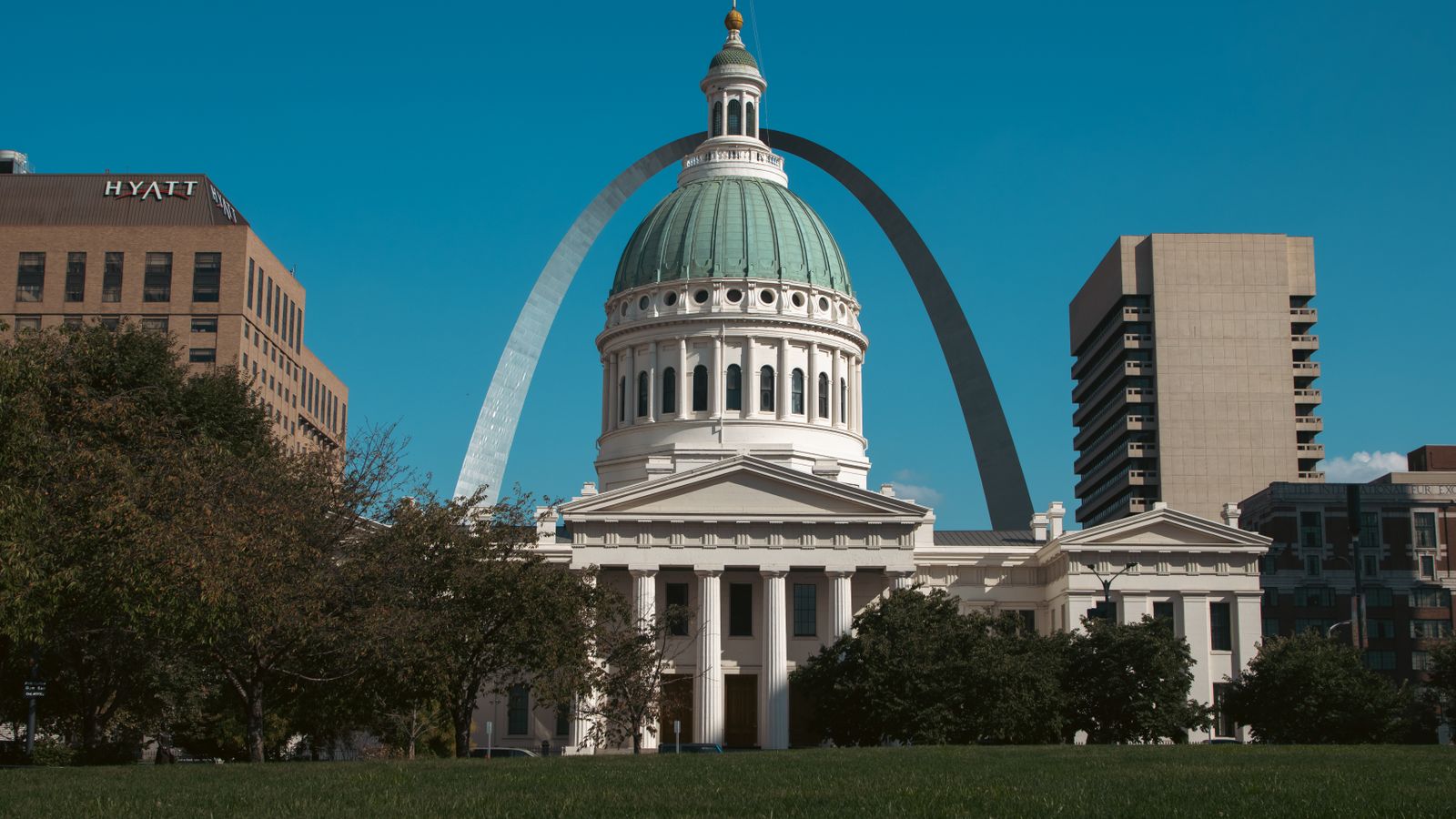
Missouri receives 898 applications for 77 new marijuana licenses
The state's Division of Cannabis Regulation closed the application window with nearly 12 applicants competing for each available license.

Missouri Municipal Courts Still Enforce Pre-Legalization Marijuana Cases
Thousands face outstanding warrants and fines for offenses the state no longer prosecutes.

Kentucky Medical Marijuana Program Passes Halfway Mark, Beshear Says
Governor cites recent cultivation ribbon-cutting as milestone in state's path to dispensary openings.