Pediatric Cannabis Ingestion Rate Triples Since 2000, Study Finds
New research shows unintentional recreational drug ingestions among children under six surged 1,375% over 23 years.
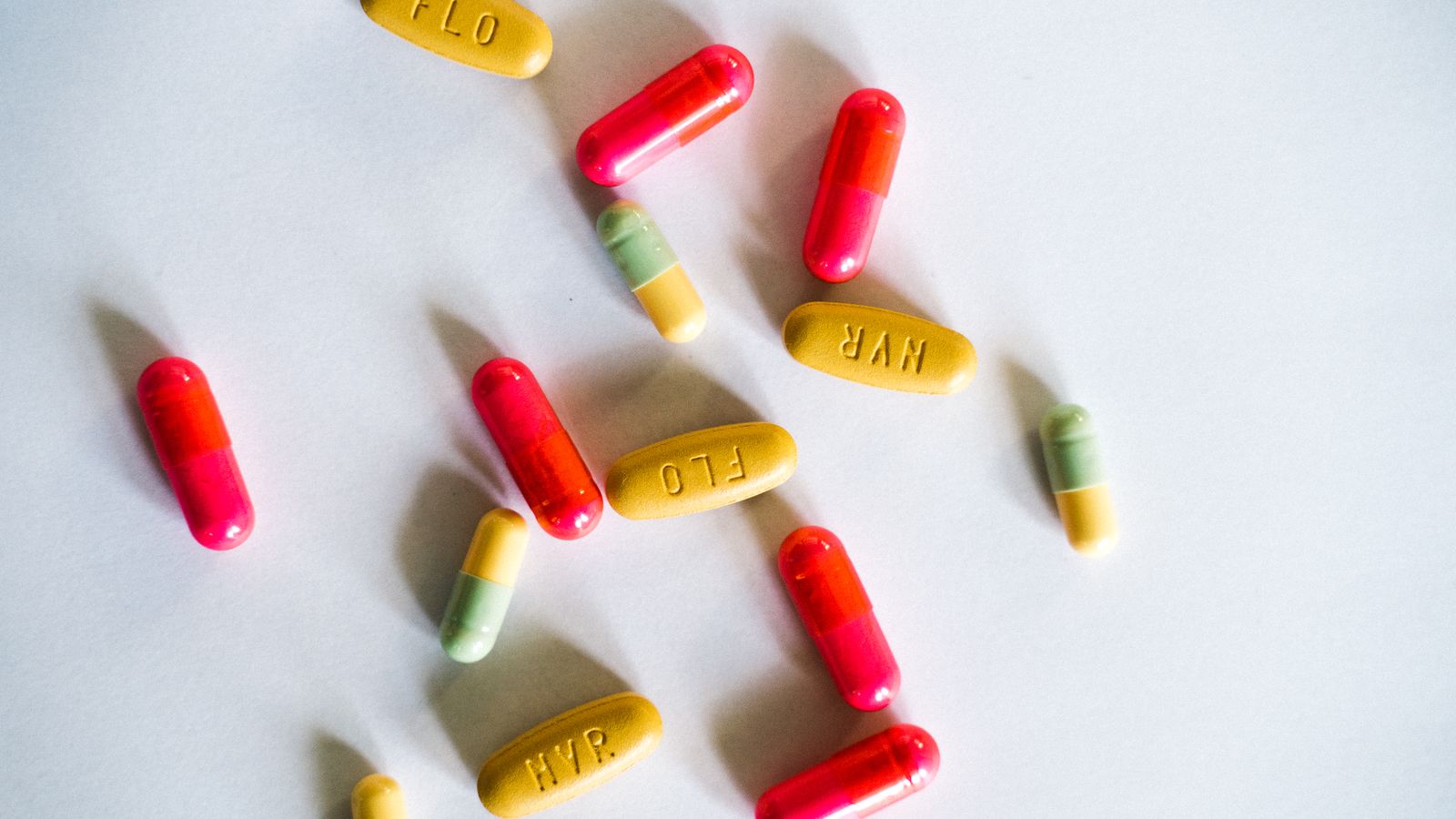
A vibrant assortment of colorful capsules and pills scattered on a white surface.
Study Methodology and Data Sources
Researchers analyzed 23 years of National Poison Data System records, covering more than 450,000 exposure cases among children under six. The study, published in a peer-reviewed toxicology journal, examined calls to U.S. poison control centers from January 2000 through December 2023. Lead author Dr. Marit Tweet, a clinical toxicologist at Hennepin Healthcare in Minneapolis, said the research team controlled for population growth and changes in reporting behavior across the study period.
Investigators stratified cases by substance type: cannabis edibles, cannabis flower, opioids, stimulants, and hallucinogens. Geographic data allowed the team to correlate ingestion rates with state-level legalization timelines. The study excluded intentional exposures and cases involving children over six years old.
Tweet's team used regression models to isolate the effect of recreational cannabis legalization, adjusting for confounders including poverty rates, access to childproof packaging, and emergency department utilization trends. The final dataset represented a census of reported exposures. Not a sample.
Cannabis Edibles Drive 1,375% Surge
Cannabis edibles alone accounted for a 1,375% increase in pediatric ingestion calls since 2000. The rate climbed from 0.8 cases per 100,000 children in 2000 to 11.8 per 100,000 in 2023. Edibles overtook cannabis flower as the primary exposure vector in 2014, the year Colorado's recreational market opened.
States with legal recreational cannabis markets reported ingestion rates 3.6 times higher than prohibition states. California, Colorado, and Washington — the earliest adult-use markets — logged the highest per-capita exposure rates. The gap widened after 2018, when multi-state operators scaled edible production and distribution.
Tweet noted that 73% of cannabis ingestion cases involved products with THC concentrations above 10 mg per serving, well above the threshold that produces acute intoxication in children. Symptoms reported to poison control centers included lethargy, ataxia, respiratory depression, and seizures. Hospitalization rates for cannabis ingestions rose from 6% in 2000 to 18% in 2023.
The inflection point is unmistakable: pediatric cannabis exposures track directly with the proliferation of high-THC gummies, chocolates, and baked goods designed to mimic conventional snack foods.
Opioid and Stimulant Exposures Also Climb
Unintentional opioid ingestions among young children increased 540% over the study window, driven primarily by fentanyl and buprenorphine exposures. The opioid curve diverged from cannabis in 2015, when illicit fentanyl began saturating street markets. Pediatric fentanyl cases spiked 890% between 2015 and 2023, with most exposures occurring in households where adults used non-prescribed opioids.
Stimulant ingestions — methamphetamine, cocaine, and prescription amphetamines — rose 420% since 2000. Methamphetamine accounted for 60% of stimulant cases after 2019, reflecting the drug's resurgence in rural and suburban communities. Unlike cannabis, stimulant exposures showed no correlation with state-level drug policy changes.
Children in homes with substance use disorder diagnoses faced ingestion rates 12 times higher than the general pediatric population. Socioeconomic status moderated the effect: low-income households reported higher exposure rates across all substance categories.
Packaging and Storage Gaps Persist
Childproof packaging mandates in legal cannabis states reduced ingestion rates by an estimated 22%, but compliance and enforcement remain inconsistent. California's Bureau of Cannabis Control and Colorado's Marijuana Enforcement Division both require opaque, resealable, child-resistant packaging for edibles. Yet the study documented 14,000 exposure cases in those two states alone between 2018 and 2023, suggesting widespread lapses in storage practices or packaging failures.
Tweet's team reviewed packaging standards across 23 adult-use states and found significant variation. Nine states allow manufacturers to self-certify child resistance without third-party testing. Only five states mandate that edibles be individually wrapped in child-resistant material, rather than relying solely on outer packaging.
A behavioral variable emerged: 68% of pediatric cannabis ingestions occurred when products were left on countertops, tables, or other accessible surfaces, rather than in locked or elevated storage. Public health campaigns targeting safe storage have reached fewer than 30% of cannabis-using households, according to survey data cited in the study.
What Regulators and Parents Should Watch
The study's authors recommend mandatory unit-dose packaging, third-party child-resistance testing, and targeted public health messaging in states with legal cannabis markets. Tweet called for federal coordination, noting that the absence of FDA oversight leaves states to improvise standards. The American Academy of Pediatrics has endorsed stricter packaging rules and potency caps for edibles sold in recreational markets.
For context on the evolving regulatory landscape and pediatric safety protocols, see the CannIntel topic hub on pediatric cannabis ingestion. Policy inflection points will likely come from states revising their packaging statutes in 2027 legislative sessions. Ohio, Pennsylvania, and Minnesota have all signaled intent to tighten child-resistance requirements before their adult-use markets mature.
Parents in legal states should treat cannabis products with the same precautions applied to prescription medications: locked storage, immediate cleanup of packaging waste, and clear communication with caregivers about product locations. The risk isn't theoretical.
Frequently asked questions
How many pediatric cannabis ingestion cases were reported in 2023?
The study documented approximately 11.8 cases per 100,000 children under six in 2023, translating to several thousand reported exposures nationwide. The rate has increased nearly 14-fold since 2000.
Do childproof packaging laws reduce pediatric cannabis ingestions?
Yes. The study found that states with mandatory child-resistant packaging saw ingestion rates 22% lower than states without such requirements. However, compliance and enforcement vary widely.
Which cannabis products pose the highest risk to children?
Edibles with THC concentrations above 10 mg per serving account for 73% of pediatric ingestion cases. Gummies, chocolates, and baked goods that resemble conventional snacks are the most commonly ingested products.
Are opioid ingestions also increasing among young children?
Yes. Pediatric opioid ingestions rose 540% from 2000 to 2023, with fentanyl exposures spiking 890% since 2015. Most cases occur in households where adults use non-prescribed opioids.
What should parents do to prevent accidental ingestions?
Store cannabis products in locked containers out of children's reach, dispose of packaging immediately, and communicate product locations to all caregivers. Treat edibles with the same precautions as prescription medications.
Sources
The cannabis newsletter you forward to your team.
Federal policy, market data, grower alerts, and the one story that matters today. Sent every weekday at 7am. Free.
No spam. Unsubscribe with one click. 21+ only.
Related from Medical

Kennesaw State Publishes THC Brain Research, Alzheimer's Drug Studies
University neuroscience team releases two peer-reviewed papers examining THC exposure effects and Alzheimer's therapeutics.

CDC Proposes Medical Cannabis Question for Federal Health Survey
The Centers for Disease Control and Prevention is seeking to add medical marijuana use to a national health tracking system.

Medical Cannabis Access Cuts Health-Related Work Absences 7%, UGA Study Finds
Analysis of 20 million Census responses links medical cannabis laws to fewer sick days, strongest effect in physical-labor sectors.
More from the newsroom

Missouri Municipal Courts Still Enforce Pre-Legalization Marijuana Cases
Thousands face outstanding warrants and fines for offenses the state no longer prosecutes.

Kentucky Medical Marijuana Program Passes Halfway Mark, Beshear Says
Governor cites recent cultivation ribbon-cutting as milestone in state's path to dispensary openings.
Reason Magazine Rebuts Rising Calls to Limit Cannabis Potency
Libertarian outlet argues high-THC products don't justify new restrictions as potency debate heats up nationwide.