Reason Magazine Rebuts Rising Calls to Limit Cannabis Potency
Libertarian outlet argues high-THC products don't justify new restrictions as potency debate heats up nationwide.
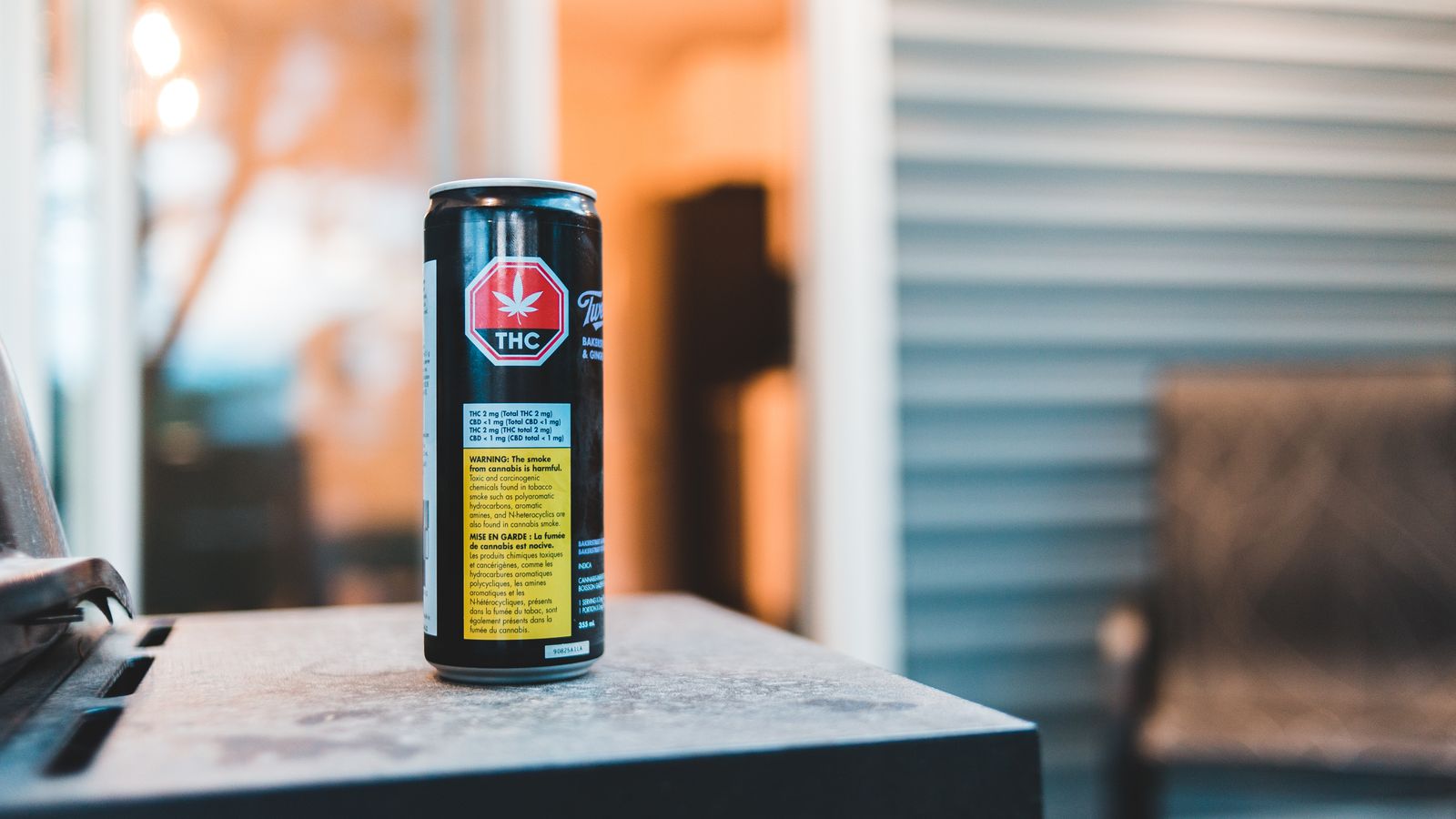
Colorful can of cannabis drink with text and image on shiny surface in building
The Potency Argument Under Fire
Reason's editorial dismisses the premise that stronger cannabis products require government intervention, comparing potency limits to hypothetical alcohol-by-volume caps. The magazine's position aligns with industry operators who say consumer choice and proper labeling address safety concerns more effectively than statutory ceilings.
The timing is sharp. Colorado regulators are reviewing a petition to cap concentrates at 35% THC, while Minnesota's Cannabis Management Office considers similar guardrails for its adult-use rollout. Vermont lawmakers debated a 60% concentrate cap in June—then tabled it.
Where the Debate Stands in 2026
At least six state legislatures have entertained potency restrictions this year, though none have passed binding limits. The proposals range from tiered taxation (Washington's HB 1453) to mandatory health warnings on products above 25% THC (New York's pending OCM rule).
Public-health researchers cite emergency-room data showing higher rates of cannabis hyperemesis syndrome and acute psychosis among concentrate users. Industry groups counter that per-use consumption drops when potency rises. Users titrate to effect, not to a fixed dose.
The core tension: whether high-potency products represent a market innovation or a public-health red flag that demands state intervention.
For the full evolution of this policy fight, see the CannIntel topic hub on the cannabis potency debate.
Operator Pushback and Market Realities
Multi-state operators have spent the summer lobbying against potency caps, arguing they'd erase product categories that account for 30-40% of dispensary revenue. Concentrates, vapes, and infused pre-rolls routinely test above proposed thresholds.
Michigan-based Green Peak Innovations told the state's Marijuana Regulatory Agency in July that a 35% cap would eliminate live resin, rosin, and distillate cartridges. California's Bureau of Cannabis Control received similar comments from 18 licensed manufacturers during its June listening session.
The economic stakes are real:
- Concentrates represented $1.8 billion in U.S. sales in 2025, per BDSA tracking data.
- Vape cartridges—often 70-90% THC—made up 28% of Colorado's $1.3 billion adult-use market last year.
- Edibles above 10mg per piece (effectively high-potency by dose) drove 19% of Illinois revenue in Q1 2026.
What Comes Next
The potency debate will likely shift from op-ed pages to administrative rulemaking by year-end. Colorado's Marijuana Enforcement Division has until October 15 to issue findings on the concentrate petition. Minnesota's draft adult-use rules, due in September, are expected to include potency language.
Washington State's tiered-tax bill remains in committee. Its sponsor—Rep. Tana Senn—has signaled she'll reintroduce it in the 2027 session with tighter potency brackets. New York's Office of Cannabis Management hasn't set a timeline for finalizing its warning-label proposal.
Industry observers expect the fight to pivot toward labeling and education mandates rather than outright caps. That's the path Vermont took after its cap bill stalled.
Frequently asked questions
What cannabis potency limits are states considering?
Proposals range from 35% THC caps on concentrates (Colorado petition) to tiered taxation above 25% THC (Washington HB 1453) and mandatory health warnings on high-potency products (New York OCM draft rule). Vermont debated a 60% concentrate cap in June but tabled it.
Why do some advocates want potency limits?
Public-health researchers cite emergency-room data linking high-potency concentrates to cannabis hyperemesis syndrome and acute psychosis. They argue products above 30% THC pose disproportionate risks, especially for new or occasional users.
How much revenue would potency caps affect?
Concentrates accounted for $1.8 billion in U.S. sales in 2025. Vape cartridges alone made up 28% of Colorado's $1.3 billion adult-use market. Industry groups say caps would eliminate 30-40% of dispensary product lines.
What is Reason Magazine's argument against potency limits?
The libertarian outlet contends that high-potency cannabis products don't justify government intervention any more than high-proof spirits do. It frames the issue as consumer choice and argues proper labeling addresses safety concerns without statutory ceilings.
Sources
The cannabis newsletter you forward to your team.
Federal policy, market data, grower alerts, and the one story that matters today. Sent every weekday at 7am. Free.
No spam. Unsubscribe with one click. 21+ only.
Related from Culture

Americans Swap Alcohol for Cannabis as Usage Patterns Diverge in 2026
Marijuana consumption climbs while alcohol use declines, signaling a generational shift in American intoxicant preferences.

17% of Americans Now Smoke Cannabis, Tying 2023 Record High
Gallup poll shows edibles consumption at 15%, marking steady mainstreaming of cannabis use across demographics.

Marijuana Use Rises as Alcohol Consumption Falls Across U.S.
New consumption data shows Americans increasingly choosing cannabis over alcohol, accelerating a trend tracked since 2021.
More from the newsroom

Missouri Municipal Courts Still Enforce Pre-Legalization Marijuana Cases
Thousands face outstanding warrants and fines for offenses the state no longer prosecutes.

Kentucky Medical Marijuana Program Passes Halfway Mark, Beshear Says
Governor cites recent cultivation ribbon-cutting as milestone in state's path to dispensary openings.

Federal Appeals Court Sets Briefing Schedule for Medicare Hemp Lawsuit
The D.C. Circuit established deadlines for legal briefs in a challenge to CMS's decision to exclude hemp-derived products from Medicare coverage.