First National Study Counts 110,000 Medical Cannabis Caregivers
New research provides the first comprehensive estimate of designated caregivers dispensing medical cannabis to patients across U.S. state programs.

Paramedic caring for a sick woman in bed at home, highlighting home healthcare.
Study Aggregates State Registry Data Across 24 Jurisdictions
Researchers compiled caregiver enrollment figures from state medical cannabis programs spanning 2020 through 2025, yielding a national estimate of 109,847 active caregivers. The study drew on publicly available registry reports from departments of health and cannabis control agencies in states with formal caregiver provisions. The figure represents individuals authorized to cultivate, acquire, or dispense medical cannabis on behalf of registered patients who are minors, disabled, or otherwise unable to access dispensaries independently.
Colorado leads with approximately 18,200 caregivers. Oregon follows with 14,500, Michigan with 12,300. California, despite its large patient base, reported fewer than 8,000 registered caregivers. Regulatory structures there prioritize dispensary access over home cultivation and caregiver designations.
Caregiver Designation Varies Widely by State Statute
State medical cannabis laws define caregiver eligibility, plant limits, and patient-to-caregiver ratios with no federal uniformity. In Maine, a caregiver may serve up to five patients and cultivate up to 30 mature plants per patient. Montana caps caregivers at three patients and 12 mature plants total. Arizona requires fingerprint-based background checks and prohibits felony convictions within ten years.
Fourteen states impose no plant-count cap on caregivers serving multiple patients. Six states restrict caregivers to a single patient. This jurisdictional variance complicates cross-state comparisons and creates compliance risk for caregivers operating near state borders or relocating.
Tax Treatment Remains Murky Under IRC §280E
Caregivers who accept compensation face the same IRC §280E disallowance as dispensaries, barring deductions for ordinary business expenses. IRS guidance issued in 2015 said that caregiver activity constitutes trafficking in a Schedule I substance when compensation is received, triggering the §280E bar on deductions for rent, utilities, labor, and non-COGS expenses. Caregivers operating on a reimbursement-only basis—covering only direct costs with no markup—occupy a gray area that hasn't been litigated at the appellate level.
State tax treatment diverges. Colorado and Oregon allow caregivers to deduct cultivation expenses on state returns even when federally disallowed. Michigan subjects caregiver sales to the 10% excise tax applicable to provisioning centers, while Massachusetts exempts caregiver transactions entirely.
The 110,000-caregiver estimate establishes a baseline for tracking how state programs balance patient access with regulatory oversight, particularly as adult-use markets expand and caregiver provisions face legislative scrutiny.
Regulatory Scrutiny Intensifies as Adult-Use Markets Expand
At least eight states have introduced bills since 2023 to tighten caregiver plant limits or eliminate caregiver provisions outright. Lawmakers cite concerns over diversion to the illicit market and competition with licensed dispensaries. In Rhode Island, a 2024 bill sought to cap caregivers at two patients and require monthly inventory reporting. The bill stalled in committee. Vermont eliminated its caregiver program entirely in 2022, two years after launching adult-use sales.
Industry groups argue that caregiver programs undercut tax revenue and complicate seed-to-sale tracking. Patient advocates counter that caregivers provide essential access for rural, low-income, and mobility-impaired patients who can't reach dispensaries or afford retail pricing.
Data Gaps Persist in Caregiver Demographics and Economics
Significant gaps remain in demographic and economic data on caregivers, including income sources, cultivation scale, and patient service models. No state registry tracks whether caregivers operate as unpaid family members, reimbursement-only cultivators, or de facto micro-businesses. The absence of standardized reporting prevents policymakers from distinguishing between caregivers serving a single family member and those managing multi-patient operations approaching commercial scale.
Researchers recommend that states adopt uniform caregiver reporting requirements—plant counts, patient loads, and compensation structures—to enable longitudinal analysis and inform evidence-based policy.
Federal Rescheduling Could Alter Caregiver Legal Status
If DEA finalizes the proposed move of cannabis to Schedule III, caregiver activity would remain federally unlawful absent a prescription from a licensed practitioner. Schedule III substances require FDA approval and DEA registration for lawful handling. State medical cannabis programs operate under state law only. Rescheduling wouldn't automatically legitimize caregiver cultivation or distribution. Caregivers could face new federal enforcement risk if DOJ interprets Schedule III to preempt state caregiver statutes.
For context on the federal rescheduling process and its implications for state programs, see the CannIntel topic hub on medical cannabis caregivers.
What to Watch
The 110,000-caregiver figure represents roughly 4% of the estimated 2.7 million active medical cannabis patients nationwide. This ratio suggests that caregiver programs serve a narrow but persistent patient cohort unlikely to transition fully to dispensary access. States designing or revising medical programs must weigh caregiver access against tracking complexity, tax leakage, and diversion risk.
Compliance officers at MSOs and single-state operators should monitor state legislative sessions for caregiver-related bills, particularly in states where caregiver plant counts exceed licensed cultivation limits. Caregiver provisions can signal state tolerance for home cultivation, which may inform market-entry strategy and competitive analysis.
We'll be watching state legislatures in the 2025 session cycle for bills targeting caregiver plant caps and patient ratios—Rhode Island, Maine, and Montana are likely battlegrounds. The next signal on federal rescheduling timing comes when DEA responds to public comments, expected by mid-2025.
Sources
The cannabis newsletter you forward to your team.
Federal policy, market data, grower alerts, and the one story that matters today. Sent every weekday at 7am. Free.
No spam. Unsubscribe with one click. 21+ only.
Related from Medical

New Study Links Cannabis Use to Increased Seizures in Epilepsy Patients
Research challenges long-held assumptions about cannabis as seizure therapy for certain patient populations.

Medical Cannabis Improves Symptoms in 80% of Cancer Patients, Study Finds
University of Kentucky researchers surveyed 237 radiation patients and found four in five reported relief from pain, nausea, and anxiety.

Cannabis Use Disorder Rises Among Older Adults, Study Finds
New research documents sharp increase in problematic cannabis use among Americans 50 and older as medical and recreational markets expand.
More from the newsroom

Jersey City Cannabis Board Withdraws Support for Tyson.20 Dispensary
The Jersey City Cannabis Control Board reversed its endorsement of a proposed retail site while approving a separate manufacturing facility.

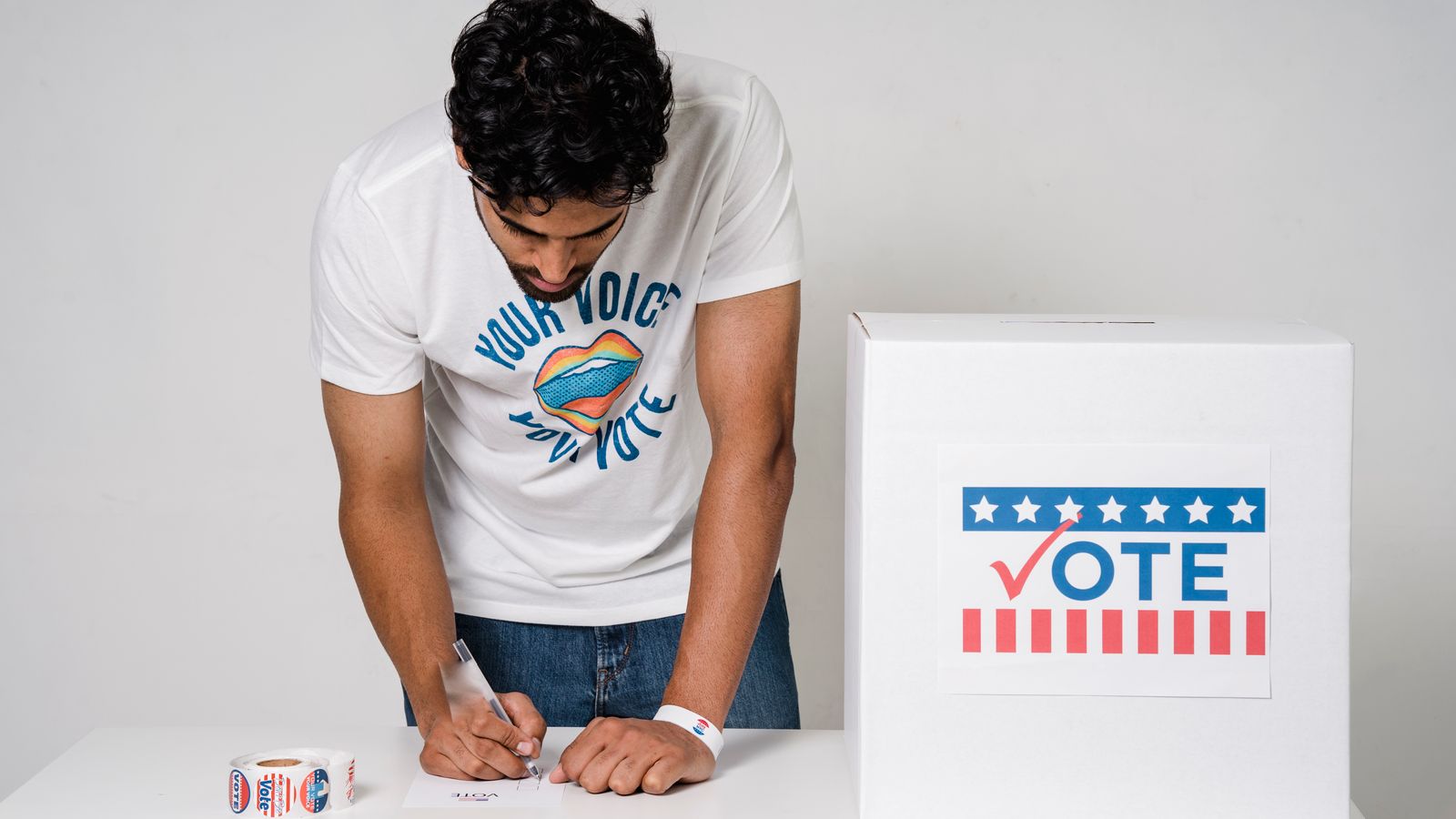
Cannabis Voters Urged to Mobilize Ahead of November Ballot Measures
Advocates warn that low turnout among cannabis supporters could decide legalization outcomes in Florida, North Dakota, and South Dakota.
No on 8 Campaign Releases First Ads Focused on Public Health
Opposition to California's Proposition 8 cannabis repeal launches television spots emphasizing regulated market safety and youth protection.