Cannabis Use Disorder Rises Among Older Adults, Study Finds
New research documents sharp increase in problematic cannabis use among Americans 50 and older as medical and recreational markets expand.

Medical professional discusses health with senior man in modern office setting.
Prevalence Climbs Across Older Age Groups
Cannabis use disorder rates among adults 50 and older rose substantially between 2015 and 2025, with the steepest increases concentrated in the 50-64 age cohort. Researchers analyzed national survey data tracking substance use patterns and clinical diagnoses across demographic segments.
Medical cannabis programs now operate in 38 states. Recreational markets serve consumers in 24 jurisdictions. Older adults represent the fastest-growing segment of new cannabis users, driven by interest in pain management, sleep aids, and anxiety treatment.
Cannabis use disorder—defined by DSM-5 criteria including tolerance, withdrawal, and inability to reduce use despite negative consequences—affects an estimated 10-30% of regular cannabis users across all age groups, according to prior epidemiological research.
Clinical and Economic Implications
The rise in disorder diagnoses among older adults carries direct implications for healthcare systems already managing chronic conditions and polypharmacy risks in aging populations. Cannabis interacts with common medications including blood thinners, antidepressants, and opioids, complicating treatment protocols.
Emergency department visits related to cannabis use among seniors have doubled since 2019, according to CDC data. Presenting symptoms include cardiovascular events, falls, and acute psychiatric episodes.
The intersection of cannabis use disorder and Medicare-eligible populations creates a coverage gap, as federal prohibition prevents reimbursement for cannabis-related treatment under most insurance plans.
That coverage barrier leaves older adults navigating disorder treatment largely out-of-pocket, even as medical cannabis itself remains ineligible for insurance coverage or HSA reimbursement under IRS rules.
Legalization and Access Dynamics
State-level legalization correlates with increased cannabis initiation among older adults, particularly in markets with established medical programs and dispensary networks. Dispensaries in mature markets like California, Colorado, and Washington report growing sales to customers over 55, with topicals, tinctures, and low-dose edibles leading category growth.
Medical cannabis patient registrations among seniors have grown 300% since 2020 in states with active programs. Common qualifying conditions include chronic pain, arthritis, insomnia, and PTSD.
Increased access doesn't automatically translate to disorder risk, the study's authors note, but normalization and availability remove traditional barriers that historically limited older adult use.
Screening and Diagnosis Gaps
Primary care physicians report low rates of cannabis use screening among older patients, creating underdiagnosis of use disorders in this demographic. Standard substance abuse screening tools often focus on alcohol and prescription medications, omitting cannabis-specific questions.
Key diagnostic challenges include:
- Patients' reluctance to disclose cannabis use to physicians due to stigma or legal concerns
- Lack of standardized screening protocols for cannabis in geriatric care settings
- Physicians' limited training on cannabis pharmacology and disorder criteria
- Overlap between cannabis withdrawal symptoms and age-related health conditions
The American Geriatrics Society has called for updated clinical guidelines addressing cannabis use assessment and disorder treatment in older populations.
Treatment and Harm Reduction
Evidence-based treatments for cannabis use disorder—including cognitive behavioral therapy and contingency management—remain underutilized among older adults, who face age-specific barriers to accessing behavioral health services. No FDA-approved pharmacotherapies exist for cannabis use disorder, unlike alcohol or opioid use disorders.
Harm reduction approaches tailored to older adults focus on:
- Reducing frequency and quantity of use
- Switching to lower-THC products or CBD-dominant formulations
- Addressing polypharmacy risks through medication reviews
- Screening for cognitive and motor impairment
For complete context on cannabis use disorder prevalence, diagnostic criteria, and treatment options, see the CannIntel topic hub on cannabis use disorder.
The next research priority: longitudinal studies tracking older adults' cannabis use trajectories and health outcomes as cohorts age into Medicare eligibility and encounter changing regulatory environments.
Frequently asked questions
What is cannabis use disorder?
Cannabis use disorder is a clinical diagnosis defined by DSM-5 criteria including tolerance, withdrawal symptoms, inability to reduce use, and continued use despite negative consequences. It affects an estimated 10-30% of regular cannabis users and requires meeting at least two of eleven diagnostic criteria within a 12-month period.
Why are older adults at higher risk for cannabis use disorder?
Older adults face unique risk factors including age-related changes in drug metabolism, polypharmacy interactions, chronic pain conditions, and increased access through medical cannabis programs. Legalization has normalized use and removed traditional barriers, while physicians often fail to screen for cannabis use in this demographic.
Does Medicare cover treatment for cannabis use disorder?
Medicare and most private insurers cover behavioral health treatment for substance use disorders generally, but federal prohibition creates ambiguity around cannabis-specific treatment. Cannabis itself remains ineligible for Medicare coverage or insurance reimbursement, and many older adults pay out-of-pocket for disorder treatment.
What are the health risks of cannabis use in older adults?
Health risks include drug interactions with blood thinners and heart medications, increased fall risk due to dizziness and impaired coordination, cardiovascular events, cognitive impairment, and exacerbation of psychiatric conditions. Emergency department visits among seniors for cannabis-related issues have doubled since 2019.
Are there treatments for cannabis use disorder?
Evidence-based treatments include cognitive behavioral therapy, motivational enhancement therapy, and contingency management. No FDA-approved medications exist specifically for cannabis use disorder. Harm reduction approaches focus on reducing use frequency, switching to lower-THC products, and addressing medication interactions.
Sources
The cannabis newsletter you forward to your team.
Federal policy, market data, grower alerts, and the one story that matters today. Sent every weekday at 7am. Free.
No spam. Unsubscribe with one click. 21+ only.
Related from Medical
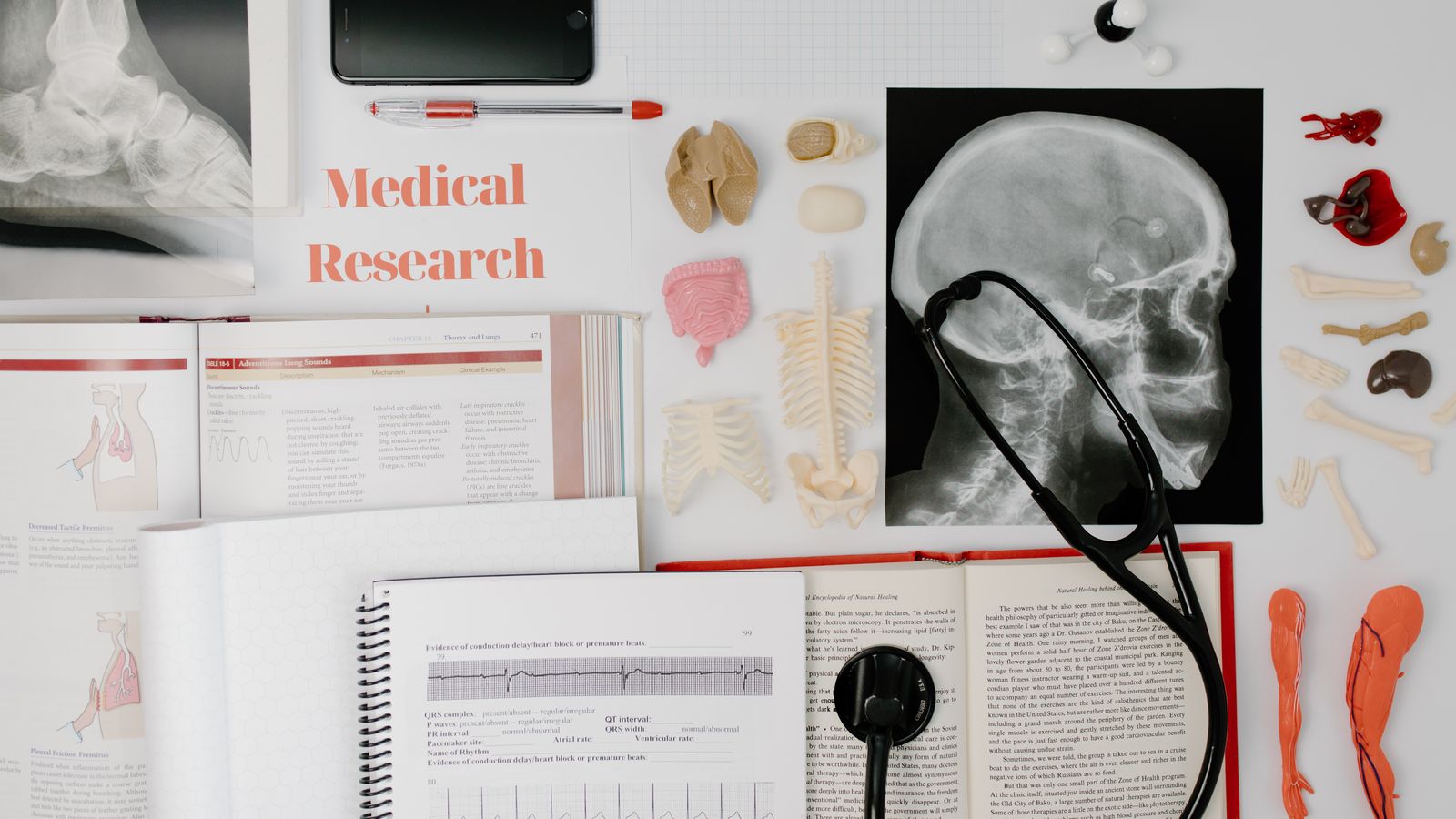
New Study Links Cannabis Use to Increased Seizures in Epilepsy Patients
Research challenges long-held assumptions about cannabis as seizure therapy for certain patient populations.

Medical Cannabis Improves Symptoms in 80% of Cancer Patients, Study Finds
University of Kentucky researchers surveyed 237 radiation patients and found four in five reported relief from pain, nausea, and anxiety.
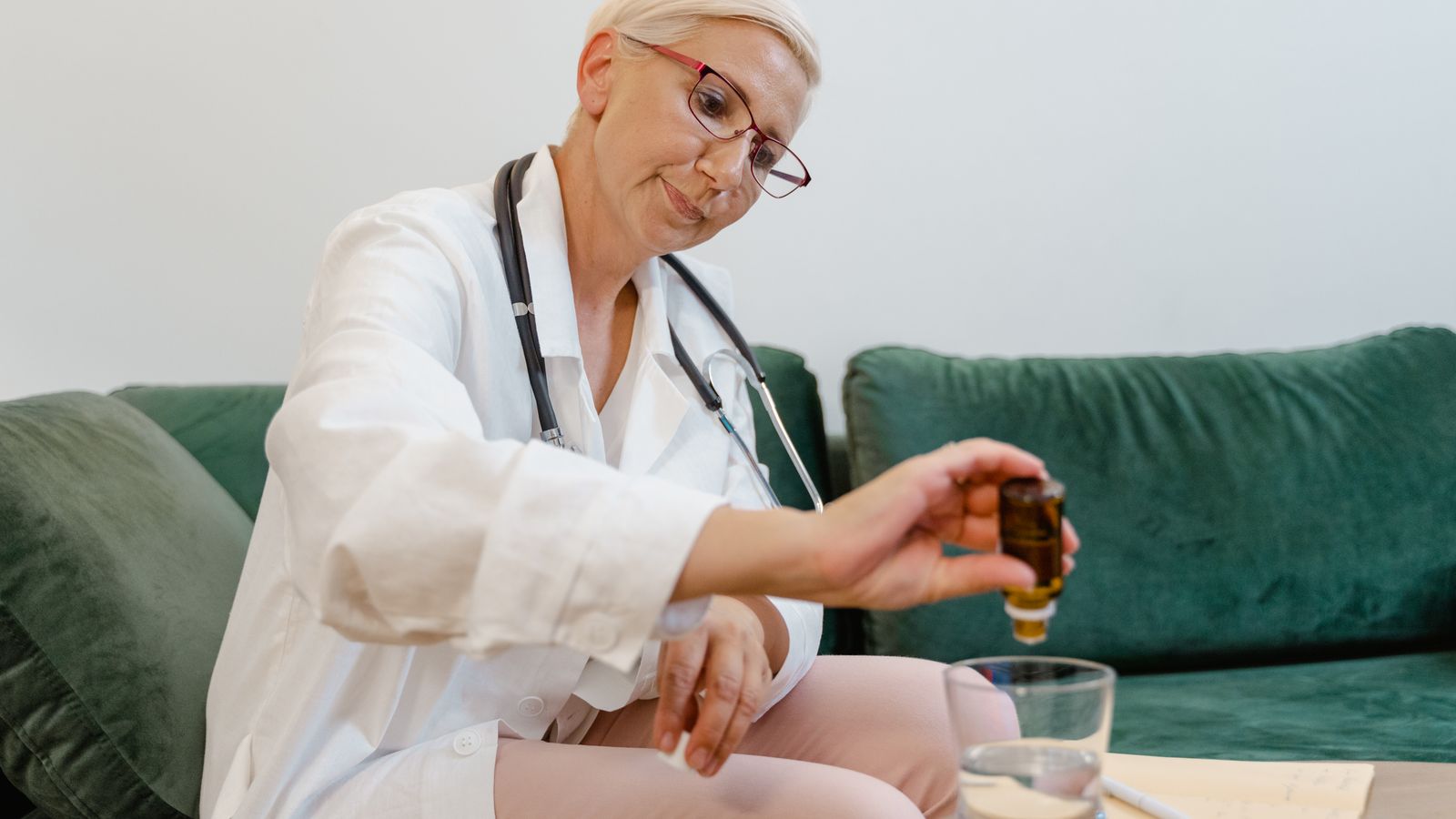
Jersey Health Investigates Death Tied to Cannabis Prescription Gaps
Island's health department discloses fatal case review while revealing systemic prescribing oversight failures.
More from the newsroom

Missouri HB 2641 Brings Hemp Cannabinoid Sales to Dispensaries
New law authorizes licensed cannabis retailers to sell hemp-derived products under state oversight for the first time.

Heyliger-Marten Warns Parliament Cannabis Law Rejection Risks Native Nations
Sint Maarten's Prime Minister links parliamentary approval of pending cannabis legislation to financial obligations tied to the Native Nations entity.

Pennsylvania Democrats Tie Marijuana Legalization to Three Senate Races
State party frames adult-use cannabis as a November ballot issue in targeted districts where Republican incumbents hold narrow margins.