Senate Committee Floats Cannabis for Opioid Alternative, Flags Edibles
A Senate committee backed marijuana as an opioid alternative, urged psychedelic research and raised concerns about infused foods, setting up a split verdict for operators.

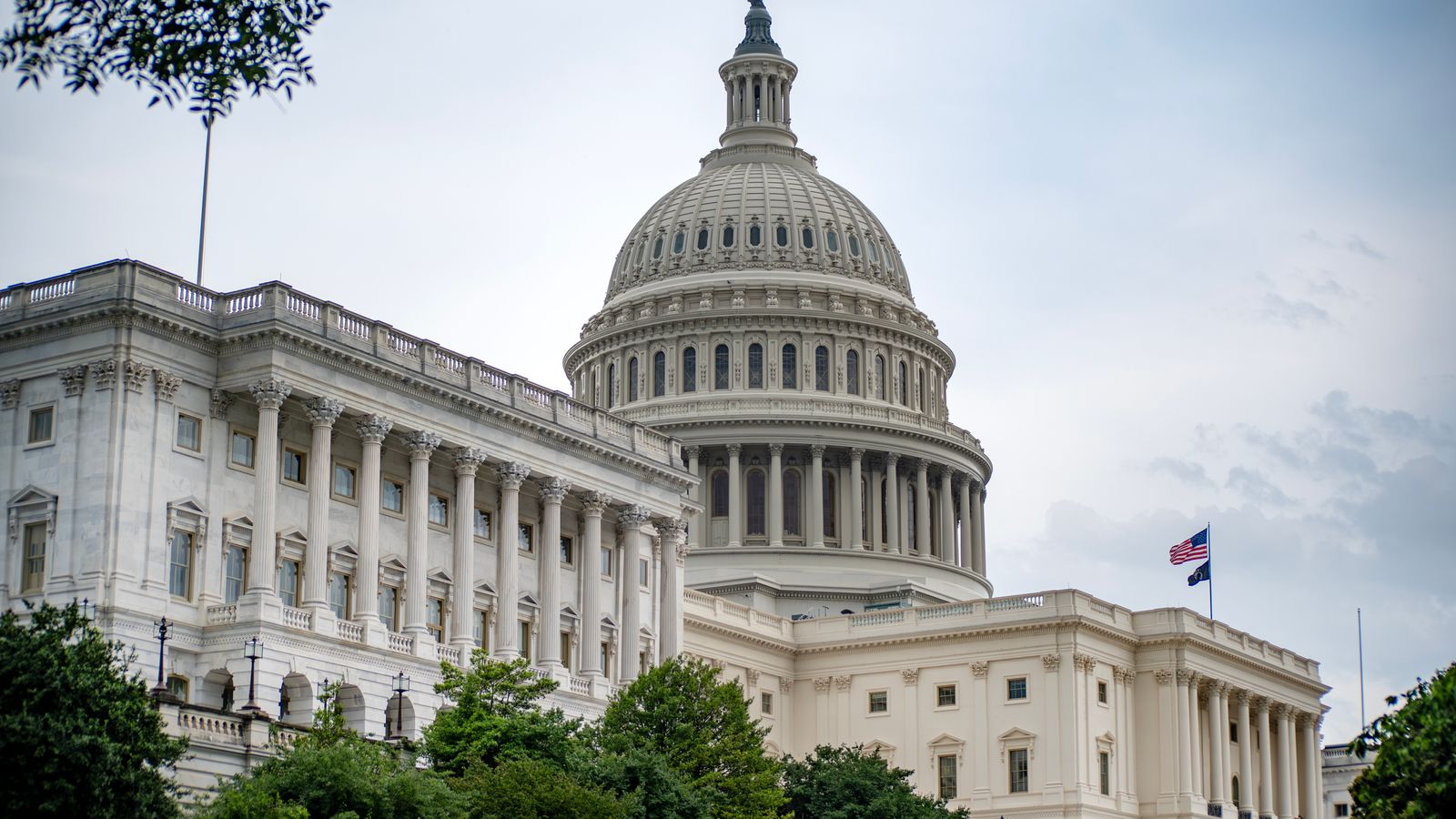
Dome of the United States Capitol in Washington, DC, framed by lush green trees.
What the committee put on the record
A Senate committee addressed three separate cannabis-adjacent issues in one document: opioid substitution, psychedelic research and infused foods.
According to Marijuana Moment, the committee floated marijuana as a possible alternative to opioids. It also encouraged research into psychedelics. And it raised concerns about cannabis-infused food products.
The signal available at publication doesn't identify the bill number, the vote count or the exact report text. We're not going to guess at them. Readers should treat the specifics as unconfirmed until the primary document is in hand.
Why report language isn't a statute
Committee report language expresses congressional preference but doesn't change the Controlled Substances Act or bind an agency.
Reports that accompany appropriations bills are explanatory. Agencies such as the FDA and DEA often read them as guidance on congressional priorities, but they can't be enforced the way a statutory directive can.
Not law. Not yet, anyway.
That distinction matters for anyone building a financial model on this news. A committee floating an idea creates no new deduction and no new license category. It creates no safe harbor, either.
The 280E reading: nothing changes on a strict reading
On a strict reading of IRC §280E, the opioid-alternative framing doesn't alter the tax treatment of a single dispensary.
Section 280E denies deductions and credits for any trade or business that consists of trafficking in Schedule I or II controlled substances. Marijuana remains in Schedule I, and the statute turns on that classification, not on congressional sentiment about medical utility.
On a strict reading, then, a committee describing cannabis as a possible opioid substitute is rhetorically notable and fiscally inert. Plant-touching operators still deduct cost of goods sold under §471 principles and little else. Effective rates stay where they were. No relief.
The gap is worth stating plainly. Congress can say cannabis may help with a public-health crisis while the Internal Revenue Code keeps taxing the business as if it were a trafficking enterprise. That asymmetry is hard to defend, and it isn't new.
The edibles concern is where compliance cost could rise
Of the three items, the concern over cannabis-infused foods is the one most likely to generate operational obligations rather than research opportunities.
Edibles sit at the intersection of food law, product-safety rules and state cannabis packaging requirements. The signal doesn't say what specifically worried the committee. Typical points of friction in this category include potency per serving, child-resistant packaging and labeling that distinguishes infused products from conventional food.
Operators already comply with state rules on these points. Federal attention tends to layer on top of them, not replace them. A multistate operator running a branded edibles line should ask whether its serving-size and labeling standards would survive a federal template, because state variation is the cost driver.
Reporting from the committee's own text will tell us whether the concern is directed at FDA, at manufacturers or at state regulators.
Psychedelic research encouragement carries a different tax profile
Encouraging psychedelic research points toward trial infrastructure and sponsor-driven work rather than retail operations.
Research funding flows through institutions and sponsors, not licensed retailers. Different lane. For cannabis companies, the nearest relevance is indirect: research-grade supply chains, DEA registrations and the question of whether a Schedule I research track expands.
Psychedelic compounds and cannabis aren't taxed the same way when they stay in a clinical setting. Research costs are generally treated under ordinary business-expense rules for the sponsor. Retail cannabis operators don't enjoy that treatment under §280E.
Investors should keep the two storylines separate. A research-friendly signal for psychedelics isn't an operating-margin catalyst for a dispensary chain.
What operators and patients should do now
The practical response is to document, not to restructure, because nothing in non-binding report language alters current obligations.
Three steps make sense for compliance teams:
- Pull the committee's actual report text and confirm which agency each item is addressed to.
- Review edibles potency, packaging and labeling against the strictest state rule you operate under.
- Keep 280E reserves and uncertain-tax-position accruals unchanged.
Patients face a quieter version of the same lesson. A committee floating cannabis as an opioid alternative doesn't create federal coverage or alter physician prescribing limits. Nor does it change how the FDA evaluates cannabis-derived products.
How this fits the larger report-language record
This item belongs to a running pattern of Senate appropriators using explanatory text to signal cannabis priorities without moving statutory text.
For full background on how this kind of language has been used and what it has historically produced, see the CannIntel topic hub on Senate appropriations cannabis report language. The pattern is consistent: suggestive wording on research and public health, followed by slow or no agency movement.
We'll be watching for the primary report text, and for whether FDA or DEA responds to the edibles concern in writing. If a response comes, that's where an operator's compliance calendar starts to matter.
Sources
The cannabis newsletter you forward to your team.
Federal policy, market data, grower alerts, and the one story that matters today. Sent every weekday at 7am. Free.
No spam. Unsubscribe with one click. 21+ only.
Related from Laws

Nepal Supreme Court Orders Government to Regulate Cannabis Cultivation
A Ratopati report says the court directed regulation of medicinal and industrial cannabis cultivation, but the signal gives no ruling text, deadline or enforcement mechanism.

Iowa Medical Cannabis Board Backs Ending Patient Sales Tax
A unanimous board vote pairs a sales-tax repeal with six other program reforms, but nothing changes unless the legislature acts.

California Proposes Ending Random Cannabis Tests for Corrections Officers
A proposal would end random marijuana testing of state corrections officers and widen protections for off-duty use, according to The Marijuana Herald.
More from the newsroom

Trulieve Set to Join Russell 3000 Index, Report Says
A Marijuana Herald report says the Florida-based MSO will enter a flagship U.S. equity benchmark, a rare crossover for a plant-touching operator still barred from major exchanges.
Senate Panel Proposes Extending Medical Marijuana Rider Without House Rescheduling Block
A Senate appropriations proposal would continue federal protections for state medical cannabis programs but omit a House provision aimed at stopping rescheduling.

Vanuatu Seeks To Establish An Official Cannabis Office
The Pacific nation is pursuing a dedicated cannabis office, a signal that its medicinal program is moving from enabling law toward administrative machinery.