Vanuatu Seeks To Establish An Official Cannabis Office
The Pacific nation is pursuing a dedicated cannabis office, a signal that its medicinal program is moving from enabling law toward administrative machinery.

A scenic view of a tropical island beach with palm trees and boats docked along the shore.
Vanuatu moves to stand up a dedicated cannabis office
Vanuatu is seeking to establish an official cannabis office, according to reporting from the International Cannabis Business Conference published November 14, 2026.
That's the extent of what the signal confirms. The report describes a government push toward a formal administrative body for cannabis. In the material available to CannIntel, though, there's no statute number, no budget line, no staffing plan and no launch date.
That gap matters. A stated intent to create an office is a policy marker, not an operating regulator. Treat it accordingly.
Why a regulator is the real story for a young program
A cannabis office is typically the piece that turns enabling legislation into licenses, testing rules, and enforcement.
Programs without a single accountable body tend to stall. Applicants don't know where to file. Inspectors don't know what to inspect, and investors can't underwrite a license that no agency issues. A dedicated office closes that loop.
For Vanuatu, a small island economy, the choice also concentrates authority, since one office means one set of rules and one point of failure.
What the signal does not say
The report as supplied does not specify the office's mandate, its parent ministry, or whether it will regulate cannabis, hemp, or both.
Those distinctions aren't academic. A regulator scoped to medicinal cannabis behaves very differently from one that also covers low-THC hemp and fiber. CannIntel won't guess at the scope.
Also unconfirmed: any licensing timeline, fee structure, or foreign-ownership rules. Operators eyeing the market should hold off on assumptions until a primary government document appears.
The THC threshold question every new regulator must answer
The first technical decision any new cannabis office faces is how it defines the line between regulated cannabis and permissible hemp.
That line is almost always drawn on THC content, and the method matters as much as the number. A rule written around delta-9 THC alone treats THCA flower very differently from a rule written around total THC, which accounts for decarboxylation. When THCA is heated, it converts to delta-9, and the conversion ratio is well short of 100 percent in practice, which is why the choice of measurement basis moves product between legal categories.
Vanuatu hasn't told us which framework it will adopt. Nothing here is settled. Product formulators, importers, and testing labs will all be watching for the definition, because it dictates what can move across the border and how it gets certified.
What operators and investors should do now
Until the office's mandate is published, the sound posture is monitoring, not capital commitment.
Early-stage regulators often change rules quickly after launch. Groups that pre-position before the framework is final can find their business model stranded by a single definitional choice.
That isn't pessimism. It's how new programs have behaved across multiple jurisdictions, and a cautious read here is simply the accurate one.
Context for the broader Vanuatu program
The office proposal fits a pattern of smaller jurisdictions building cannabis administration after passing enabling law.
Regulators in those markets often arrive after the legislation, not alongside it, leaving a window where the law exists but no agency can act on it. Closing that window is usually the unglamorous work that determines whether a program functions or merely exists on paper.
For full background on this story, see the CannIntel topic hub on the Vanuatu cannabis program.
What to watch next
The next verifiable signals are a primary government document naming the office and a published definition of the THC standard.
Look for three items: the ministry that will house the office, any gazetted regulation or bill number, and the measurement basis for THC. Each will say more than the current headline does.
Expect implementation to vary, and expect the details to arrive slowly. Until then, this is an announcement of intent, and the enforcement picture remains unsettled.
Sources
The cannabis newsletter you forward to your team.
Federal policy, market data, grower alerts, and the one story that matters today. Sent every weekday at 7am. Free.
No spam. Unsubscribe with one click. 21+ only.
Related from Laws
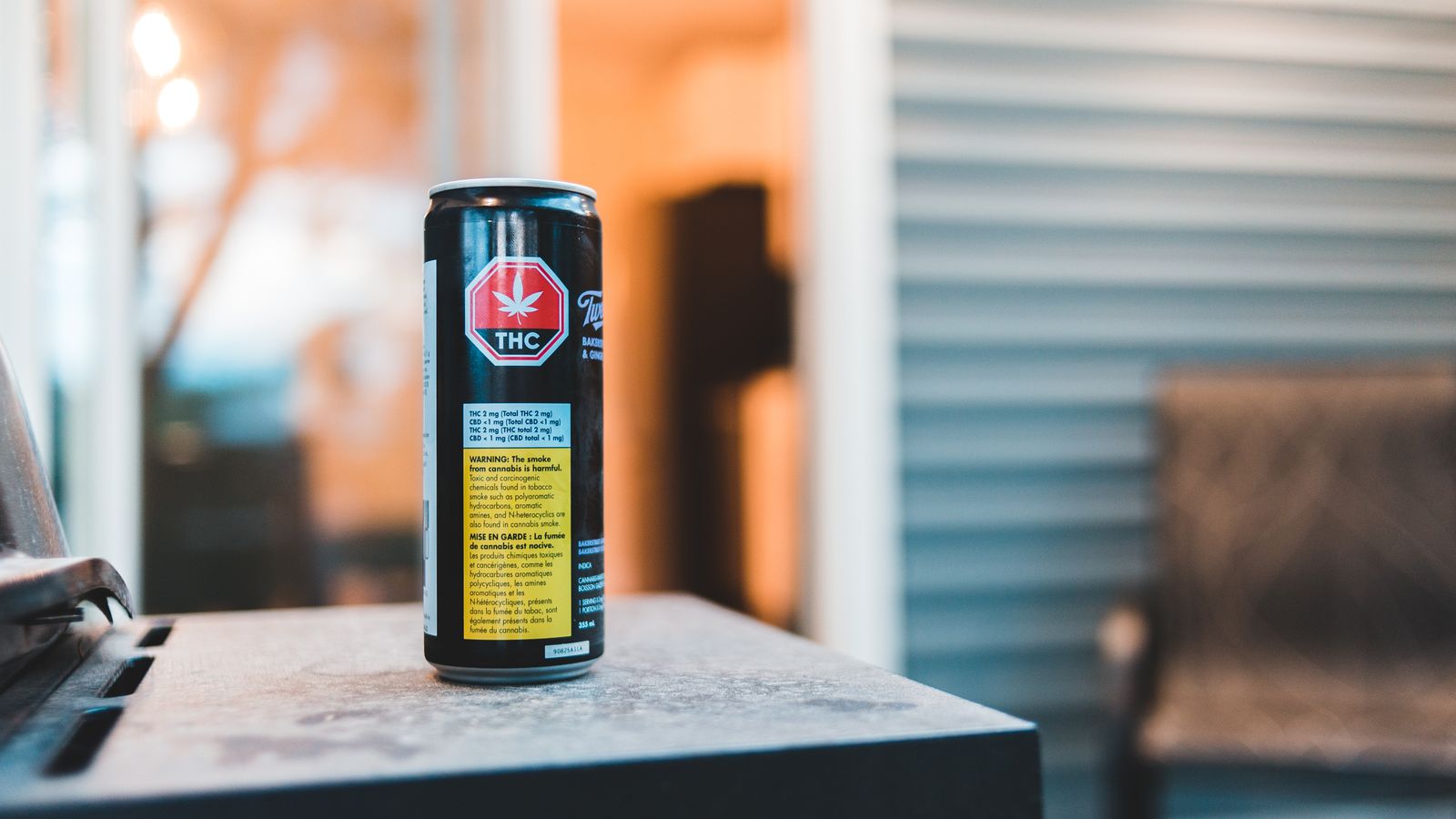
New Mexico THC Drinks: Legal Status and Pending Rule Changes
Herb.co's new consumer guide on New Mexico THC beverages points to a regulatory picture that remains split between licensed cannabis retail and hemp-derived products.
Connecticut THC Drink Rules Stay in Flux as Herb.co Maps 2026 Changes
A new consumer guide on Connecticut's THC beverage market lands as the delta-9-versus-total-THC question keeps retailers, brewers and regulators guessing.

Montana THC Drinks: Legal Status and What's Changing in 2026
A Herb.co explainer renews attention on how Montana treats THC beverages, and the answer depends on whether a drink is hemp-derived or sold through the licensed adult-use system.
More from the newsroom

Hawaii THC Drink Rules Draw Fresh Scrutiny in 2026 Consumer Guides
A Herb.co explainer on legality, retail access and pending changes puts Hawaii's hemp-beverage gray zone back in front of operators and regulators.

Village Farms Earnings Call Signals Growth Ahead, TipRanks Reports
A TipRanks summary of Village Farms International's latest earnings call points to a growth outlook, but the detail investors need sits in the company's own filings.

IM Cannabis reports C$1.65M revenue after European sale
The Israel-linked operator's reported revenue base shrank to C$1.65 million as the sale of its European business reshaped what the company actually reports.