New Mexico THC Drinks: Legal Status and Pending Rule Changes
Herb.co's new consumer guide on New Mexico THC beverages points to a regulatory picture that remains split between licensed cannabis retail and hemp-derived products.
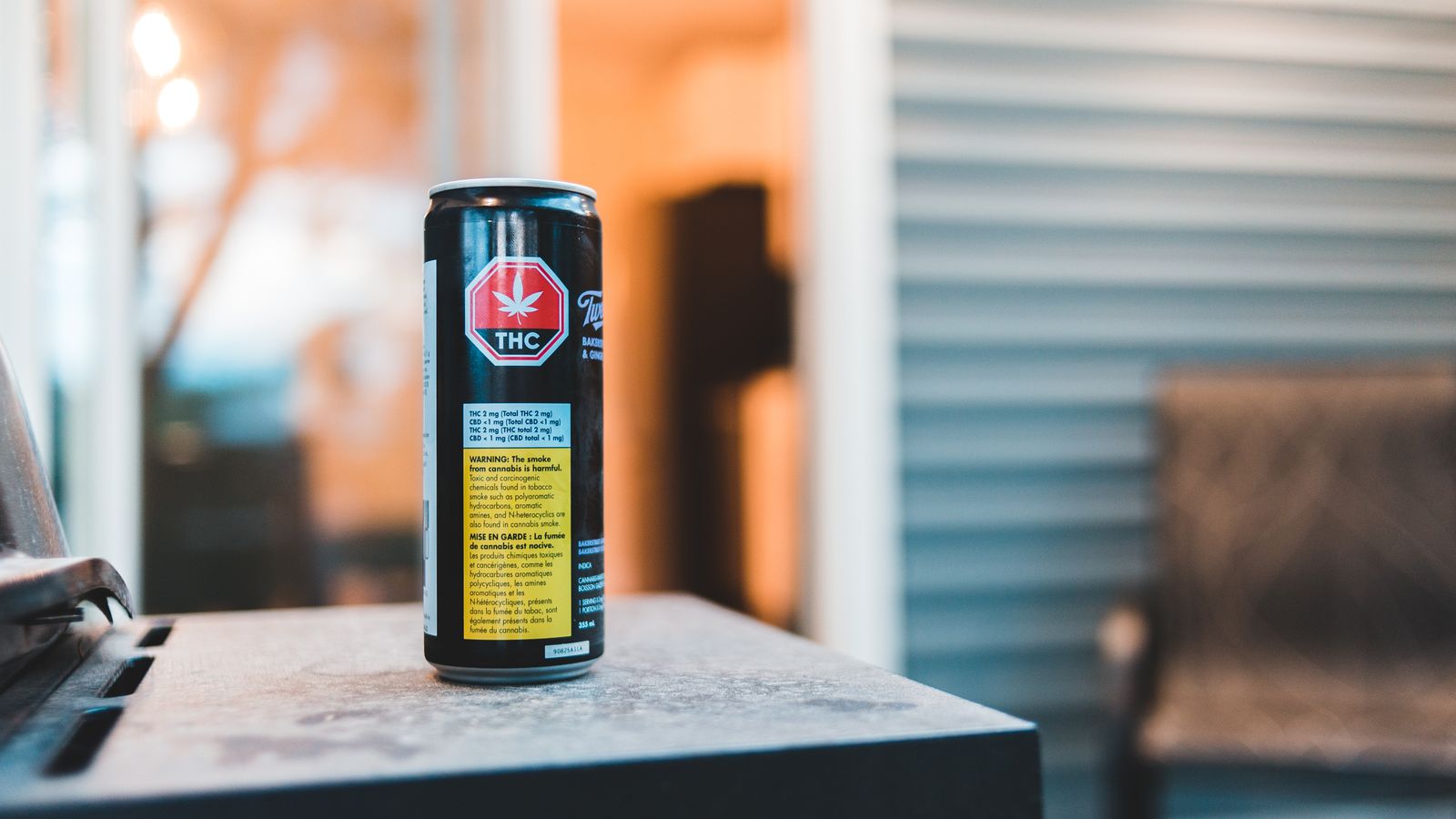
Colorful can of cannabis drink with text and image on shiny surface in building
What Herb.co reported
Herb.co's guide frames New Mexico THC beverages around three questions: legality, retail access, and pending changes.
The headline and summary of the Nov. 15 piece, as surfaced through Google News, promise answers on whether THC drinks are legal in the state, where to buy them, and what is shifting in the market. CannIntel didn't review the full text, so this report sticks to what the headline establishes and to the regulatory framework operators should read it against.
Not a ruling. Not a bill. A consumer explainer. Still, the topic it covers is one of the more contested corners of state cannabis law right now.
Why the legal answer depends on the license, not the can
On a strict reading of New Mexico's framework, a THC beverage is legal or not depending on who made it and who sold it.
New Mexico regulates adult-use cannabis through the Cannabis Regulation Act, administered by the Cannabis Control Division (CCD) within the Regulation and Licensing Department. Products sold under that regime must come through licensed channels, with testing, labeling, and packaging requirements attached.
Hemp-derived intoxicating beverages occupy different territory. They typically rely on the federal hemp definition and the 0.3% delta-9 THC by dry weight standard rather than a state cannabis license. That distinction drives nearly every downstream question for operators:
- Licensed cannabis beverages: sold through CCD-licensed retailers, subject to state cannabis testing and labeling.
- Hemp-derived beverages: sold through general retail or specialty shops, subject to hemp and food-safety rules, with cannabis-specific oversight less settled.
Consumers see a can. Regulators see two different legal products.
The tax and compliance split operators should map
Tax exposure differs sharply between a licensed cannabis drink and a hemp-derived one, and IRC §280E applies only to one of them.
Under IRC §280E, businesses trafficking in Schedule I or II controlled substances can't deduct ordinary business expenses beyond cost of goods sold. State-licensed cannabis retailers and manufacturers operate under that constraint. A hemp-derived beverage that meets the federal hemp definition generally falls outside it, which is part of why hemp-beverage brands have grown so aggressively in states with ambiguous rules.
On a strict reading, that's a structural cost advantage for hemp-derived players, and it's exactly the kind of gap legislators and regulators tend to close. State excise treatment is the second variable. Licensed cannabis sales carry state cannabis excise tax on top of gross receipts tax, while hemp-derived beverages sold outside the cannabis system may not carry the same excise layer, so operators should confirm current rates directly with the New Mexico Taxation and Revenue Department before making pricing or acquisition decisions.
Where consumers can buy
Licensed dispensaries remain the compliant channel for state-regulated THC drinks, while hemp beverages appear in a wider range of retail settings.
Herb.co's guide promises a where-to-buy section. For licensed product, the operational answer is a CCD-licensed retailer. For hemp-derived drinks, availability depends on individual store policies and local enforcement posture. Retailers stocking either should keep documentation: certificates of analysis, license verification from the supplier, and product classification records.
What is changing
The "what's changing" element of the story sits against a backdrop of federal and state pressure on intoxicating hemp.
Federal and state policymakers have spent recent sessions debating how to treat intoxicating hemp-derived products, including beverages. A federal redefinition of hemp, or a tightening of total-THC measurement, would hit hemp-derived drinks first and reshape the competitive field for licensed cannabis beverage makers. State-level action in New Mexico would carry similar consequences. The specifics Herb.co cites weren't available to CannIntel. Readers should consult the original piece for its list of changes.
What operators should do now
Compliance teams should audit beverage SKUs by legal category before the next regulatory move forces the issue.
- Classify each THC beverage as licensed cannabis or hemp-derived, with documentation.
- Confirm excise and gross receipts treatment with the state tax agency.
- Model margin under a scenario where hemp-derived drinks are pulled into the cannabis system.
- Review 280E exposure for any entity handling both categories.
For full background on this story, see the CannIntel topic hub on New Mexico THC beverages.
Watch for the next signal: any CCD guidance or legislative filing that addresses hemp-derived beverages in New Mexico directly. That's the document that settles the question the Herb.co guide asks.
Frequently asked questions
Are THC drinks legal in New Mexico?
It depends on the channel. Beverages made and sold through Cannabis Control Division-licensed businesses are legal under the Cannabis Regulation Act. Hemp-derived THC drinks operate under a separate, less settled framework tied to the federal hemp definition.
Where can you buy THC beverages in New Mexico?
Licensed cannabis beverages are sold at CCD-licensed retailers. Hemp-derived drinks may appear in other retail settings, depending on store policy and local enforcement. Buyers should check labeling and testing documentation either way.
Does IRC 280E apply to THC drinks?
IRC §280E applies to businesses trafficking in Schedule I or II substances, which includes state-licensed cannabis operators. Compliant hemp-derived products generally fall outside it, creating a tax-cost gap between the two categories.
What is changing for New Mexico THC drinks?
Herb.co's Nov. 15 guide says changes are underway but CannIntel reviewed only its headline. Federal and state debate over intoxicating hemp is the broader context. Check the original article and CCD notices for specifics.
Sources
The cannabis newsletter you forward to your team.
Federal policy, market data, grower alerts, and the one story that matters today. Sent every weekday at 7am. Free.
No spam. Unsubscribe with one click. 21+ only.
Related from Laws
Connecticut THC Drink Rules Stay in Flux as Herb.co Maps 2026 Changes
A new consumer guide on Connecticut's THC beverage market lands as the delta-9-versus-total-THC question keeps retailers, brewers and regulators guessing.

Montana THC Drinks: Legal Status and What's Changing in 2026
A Herb.co explainer renews attention on how Montana treats THC beverages, and the answer depends on whether a drink is hemp-derived or sold through the licensed adult-use system.

Hawaii THC Drink Rules Draw Fresh Scrutiny in 2026 Consumer Guides
A Herb.co explainer on legality, retail access and pending changes puts Hawaii's hemp-beverage gray zone back in front of operators and regulators.
More from the newsroom

Village Farms Earnings Call Signals Growth Ahead, TipRanks Reports
A TipRanks summary of Village Farms International's latest earnings call points to a growth outlook, but the detail investors need sits in the company's own filings.

IM Cannabis reports C$1.65M revenue after European sale
The Israel-linked operator's reported revenue base shrank to C$1.65 million as the sale of its European business reshaped what the company actually reports.

Washington Seeks Second Delay in Supreme Court Cannabis Residency Case
Challengers oppose a second postponement request in the high court case over state residency rules for marijuana licenses, a dispute that touches the dormant Commerce Clause.