Connecticut THC Drink Rules Stay in Flux as Herb.co Maps 2026 Changes
A new consumer guide on Connecticut's THC beverage market lands as the delta-9-versus-total-THC question keeps retailers, brewers and regulators guessing.
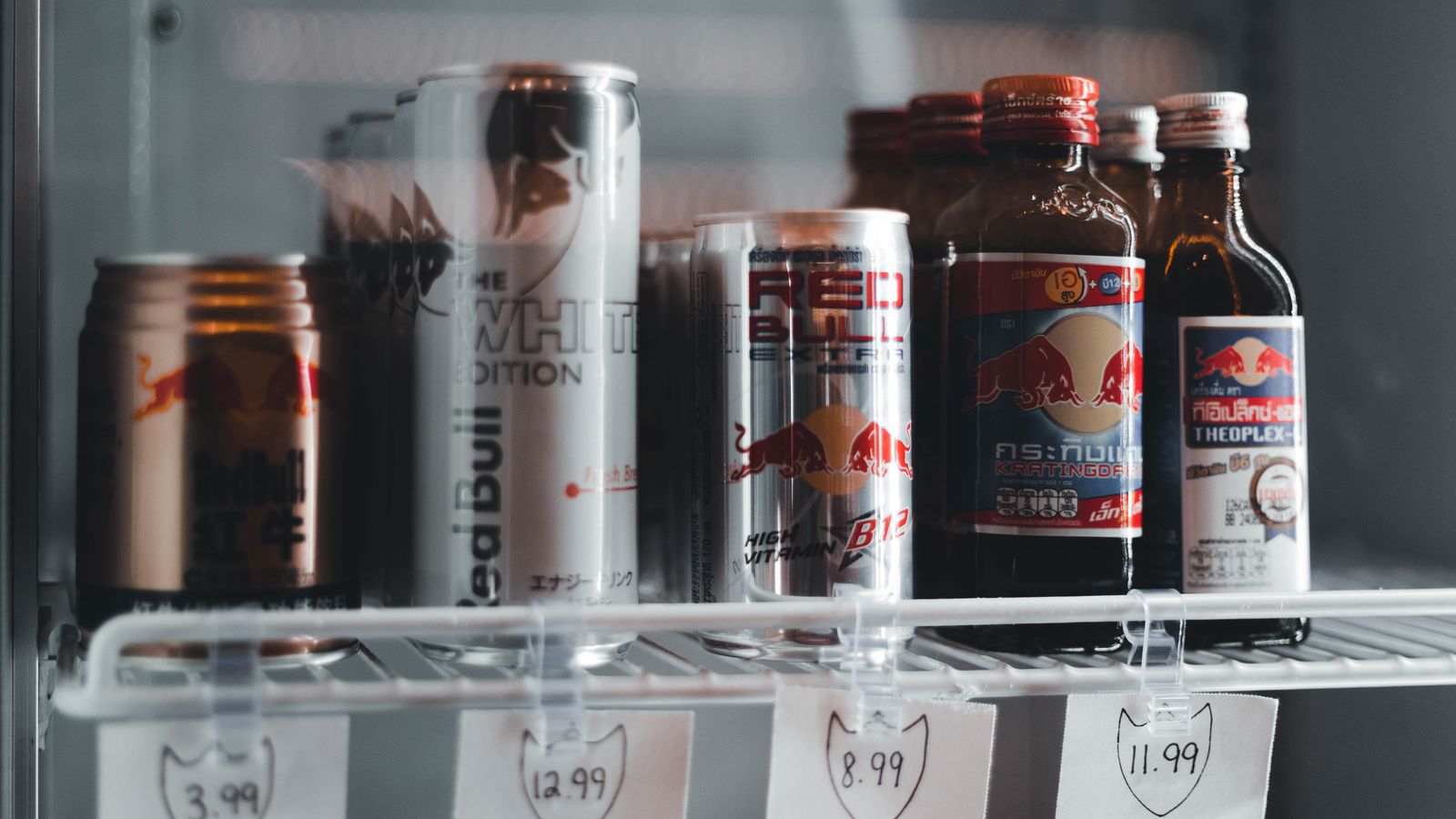
Variety of energy drinks displayed with prices on a refrigerator shelf.
A new consumer guide puts Connecticut's THC drink market back in focus
Herb.co's 2026 explainer asks three questions shoppers keep asking: are THC drinks legal in Connecticut, where can they be bought, and what is changing.
The piece, published Nov. 15, frames the beverage category as a moving target. CannIntel has only the headline and publication data, so this report doesn't reproduce the guide's specific findings.
What the headline does confirm is the shape of the story. Connecticut shoppers want clear answers on a product class that sits between the adult-use dispensary system and the hemp aisle. Those answers aren't available yet.
The legal split: dispensary beverages versus hemp-derived drinks
THC drinks generally reach Connecticut consumers through two channels, and the rules for each differ.
- Licensed adult-use channel: products tracked and tested under the state cannabis program, sold through licensed retailers.
- Hemp-derived channel: beverages made from federally legal hemp, with potency measured against the 0.3% delta-9 THC dry-weight threshold in the 2018 Farm Bill.
The disputes live in the second channel. Connecticut's Department of Consumer Protection (DCP) oversees both the cannabis program and hemp-derived consumable rules, so a change on one side touches the other. Check current DCP guidance before relying on any consumer guide, this one included.
Why delta-9 versus total THC decides who can sell what
The core compliance fight is whether potency is judged by delta-9 THC alone or by total THC, which counts THCA that converts after heat.
Chemistry matters here. THCA decarboxylates into delta-9 THC when heated, at a conversion ratio of roughly 0.877 by mass, so a product's label potency and its post-heating potency can differ. Beverages complicate that further. They're liquid formulations dosed in milligrams per container, not percent by weight.
A drink can pass a delta-9 dry-weight test and still deliver a strong dose per can. A total-THC standard closes that gap, though it also sweeps in THCA-rich inputs. Which standard Connecticut applies to drinks determines whether a given brand counts as a hemp product or a cannabis product. That line isn't settled.
What operators and shoppers should check right now
Retailers and brands carrying THC beverages in Connecticut should verify licensing, testing and labeling against current DCP rules rather than assuming a hemp label is enough.
- Confirm whether the product is sold under a cannabis license or as a hemp-derived consumable.
- Request a certificate of analysis that reports both delta-9 and total THC.
- Check per-serving and per-container milligram limits against current state rules.
- Verify age-gating and where the product may be displayed or sold.
For shoppers, the advice is simpler. A dispensary-sold drink carries state-tracked testing. A hemp-aisle drink may not carry the same assurances. Read the dose on the can.
Federal pressure adds a second layer of uncertainty
Connecticut's beverage rules sit under a federal hemp framework that Congress and agencies keep reopening.
Hemp-derived intoxicants have drawn repeated scrutiny in Washington. Any change to the Farm Bill's definition of hemp would cascade into state beverage markets overnight. States have responded unevenly: some tightening, some licensing, some waiting. Connecticut operators can't treat today's rules as permanent.
That uncertainty cuts both ways. Brands with dispensary licenses face higher costs but steadier footing. Hemp-channel brands enjoy broader retail reach and carry more regulatory risk.
For full background on this story, see the CannIntel topic hub on Connecticut THC beverage regulation.
Unsettled, in short. Expect enforcement to vary by retailer type, by county and by which agency is looking. The next signal to watch is any DCP guidance or legislative proposal that sets a single potency standard for drinks, which would resolve most of the compliance ambiguity at once.
Frequently asked questions
Are THC drinks legal in Connecticut?
Yes in defined channels. Licensed dispensaries can sell state-tracked cannabis beverages, and hemp-derived drinks are sold under separate rules tied to the federal 0.3% delta-9 threshold. Rules on potency, labeling and retail location differ by channel, so check current Department of Consumer Protection guidance.
What is the difference between delta-9 and total THC in drinks?
Delta-9 THC is the active compound. Total THC adds THCA, which converts to delta-9 when heated, at roughly 0.877 by mass. A product can pass a delta-9-only test and still exceed a total-THC limit, which is why regulators disagree on which measure applies.
Where can you buy THC drinks in Connecticut?
Licensed cannabis retailers carry state-tested beverages. Some hemp-derived drinks appear in other retail settings, depending on current state rules. Availability and age restrictions vary, so verify the seller's license and the product's lab results before buying.
Could Connecticut's THC drink rules change in 2026?
Yes. State agencies and lawmakers can adjust potency, licensing and sales rules, and federal hemp policy can shift the baseline. Operators should monitor Department of Consumer Protection notices and legislative activity rather than assume current rules are permanent.
Sources
The cannabis newsletter you forward to your team.
Federal policy, market data, grower alerts, and the one story that matters today. Sent every weekday at 7am. Free.
No spam. Unsubscribe with one click. 21+ only.
Related from Laws

Montana THC Drinks: Legal Status and What's Changing in 2026
A Herb.co explainer renews attention on how Montana treats THC beverages, and the answer depends on whether a drink is hemp-derived or sold through the licensed adult-use system.

Hawaii THC Drink Rules Draw Fresh Scrutiny in 2026 Consumer Guides
A Herb.co explainer on legality, retail access and pending changes puts Hawaii's hemp-beverage gray zone back in front of operators and regulators.

Washington Seeks Second Delay in Supreme Court Cannabis Residency Case
Challengers oppose a second postponement request in the high court case over state residency rules for marijuana licenses, a dispute that touches the dormant Commerce Clause.
More from the newsroom

Village Farms Earnings Call Signals Growth Ahead, TipRanks Reports
A TipRanks summary of Village Farms International's latest earnings call points to a growth outlook, but the detail investors need sits in the company's own filings.

IM Cannabis reports C$1.65M revenue after European sale
The Israel-linked operator's reported revenue base shrank to C$1.65 million as the sale of its European business reshaped what the company actually reports.
Joe Rogan Says Weed Was a Big Reason Texas Turned Blue
The podcaster's argument, reported by Mediaite on Nov. 14, 2026, puts Texas cannabis policy and a young male voting bloc at the center of a political fight.