Iowa Medical Cannabis Board Backs Ending Patient Sales Tax
A unanimous board vote pairs a sales-tax repeal with six other program reforms, but nothing changes unless the legislature acts.

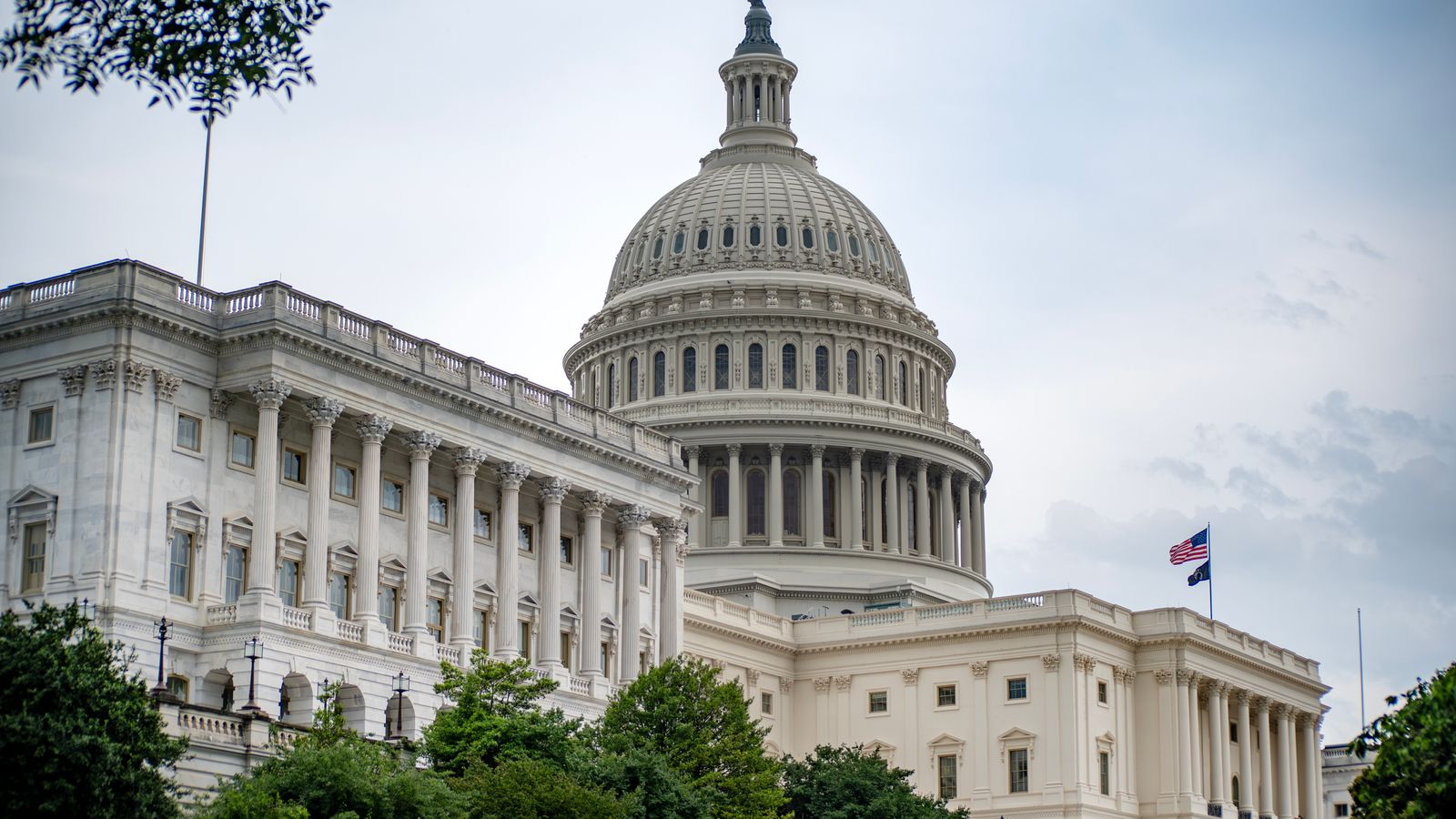
Discover the grand architecture and design of the Wisconsin State Capitol's stunning rotunda interior.
The board's vote and what it covers
Iowa's medical cannabis advisory board voted unanimously on a package of seven recommendations, led by repeal of the patient sales tax.The vote was reported Friday by The Marijuana Herald, which described the package as the sales-tax repeal plus six additional reforms. The signal available to CannIntel doesn't itemize all seven, and we aren't going to guess at the other six. What's confirmed is the headline item and the unanimity.
Unanimity matters. A split vote reads as a negotiating position. A unanimous one reads as consensus from the people who sit closest to the program's patients and clinicians.
Why a sales-tax repeal is the headline item
On a strict reading of the recommendation, the board is asking to treat medical cannabis like other medically necessary products rather than like a retail good.Patients in a medical program are, by definition, certified by a practitioner for a qualifying condition. Taxing that purchase at the point of sale adds cost to a product that insurance doesn't cover, and for a patient on a fixed income buying monthly, the tax compounds with an already high price floor.
That's the patient-side logic. The operator-side logic is quieter and just as real. Every point of tax is a point of price pressure, and it pushes cost-sensitive patients toward the illicit market or out-of-state purchases.
Advisory status: the legislature holds the pen
The board's recommendations carry no binding force, and any change to the tax treatment would require action by the Iowa General Assembly.Tax rates sit in statute and the Iowa revenue code, not in board policy. A board can recommend. It cannot repeal. The next step is a bill, a sponsor, and a committee hearing, none of which CannIntel has seen announced.
Not yet, in other words.
The fiscal question lawmakers will ask first
The first objection to any exemption is revenue, and the program's tax receipts will frame the debate.CannIntel didn't receive state revenue figures with this signal and won't estimate them. The sales-tax line in Iowa's medical program is likely modest next to the state's general fund, which cuts both ways. A small revenue loss makes repeal easier to pass, but a small revenue base also means repeal alone does little to rescue a program that patients say is expensive.
The board's argument, as framed in the reporting, is that the tax falls on people who did not choose to buy a discretionary product but were directed to a treatment, and that the state gains little by collecting it.
The compliance angle operators should track
A patient-side tax exemption changes point-of-sale configuration and reporting, not the operator's federal tax exposure.For licensed dispensaries, a repeal would mean updating POS tax tables and adjusting state sales-tax filings to reflect exempt transactions. Recordkeeping would matter, since exempt sales need clean documentation tying each transaction to a valid patient registration.
It wouldn't touch IRC §280E. Operators trafficking in a Schedule I substance still can't deduct ordinary business expenses beyond cost of goods sold, whatever Iowa does with its sales tax. The federal rescheduling process, if it concludes, is the variable that would alter that math. A state sales-tax change is a patient-price story, not an operator-margin one.
How this fits Iowa's broader program
Iowa's medical program is among the more restrictive in the country, which makes affordability a recurring pressure point.The board sits inside a program that has drawn repeated debate over product limits, potency caps, and patient access. A tax repeal is the least structurally disruptive item a board can ask for, which may explain why it leads the list. It costs the state something small. It gives patients something visible.
For the full history of the state's rules and rulings, see the CannIntel topic hub on the Iowa Medical Cannabis Program. Neighboring Illinois and Minnesota, which run broader programs, are the obvious comparison points lawmakers are likely to cite.
What patients should and shouldn't expect
Patients should expect no change at the register until a bill passes and takes effect.Nothing in the signal suggests an effective date, a sponsor, or a committee schedule. Patients and caregivers should keep budgeting at current prices. The recommendation is a political marker, and a unanimous one, but a marker is all it is today.
The next signal to watch is whether a legislator files repeal language before the Iowa General Assembly convenes in January, and whether the other six recommendations surface in the same bill.
Frequently asked questions
What did Iowa's medical cannabis board recommend?
The board voted unanimously to recommend eliminating the sales tax paid by registered medical cannabis patients, along with six other program reforms, according to The Marijuana Herald. The full list of the other six was not available in the signal reviewed.
Does the recommendation change patient prices now?
No. The board's recommendations are advisory. Sales-tax treatment is set in state law, so the Iowa General Assembly would need to pass legislation before any exemption takes effect at dispensaries.
Would eliminating the patient sales tax affect IRC §280E?
No. Section 280E is a federal provision that limits deductions for businesses trafficking in Schedule I or II substances. A state sales-tax exemption for patients does not change an operator's federal deduction treatment.
What happens next?
A lawmaker would need to file a bill, which would then go through committee. CannIntel has not seen a sponsor or hearing announced. The next milestone to watch is the start of the 2027 legislative session.
Sources
The cannabis newsletter you forward to your team.
Federal policy, market data, grower alerts, and the one story that matters today. Sent every weekday at 7am. Free.
No spam. Unsubscribe with one click. 21+ only.
Related from Laws

California Proposes Ending Random Cannabis Tests for Corrections Officers
A proposal would end random marijuana testing of state corrections officers and widen protections for off-duty use, according to The Marijuana Herald.
Senate Panel Proposes Extending Medical Marijuana Rider Without House Rescheduling Block
A Senate appropriations proposal would continue federal protections for state medical cannabis programs but omit a House provision aimed at stopping rescheduling.

Vanuatu Seeks To Establish An Official Cannabis Office
The Pacific nation is pursuing a dedicated cannabis office, a signal that its medicinal program is moving from enabling law toward administrative machinery.
More from the newsroom

Trulieve Set to Join Russell 3000 Index, Report Says
A Marijuana Herald report says the Florida-based MSO will enter a flagship U.S. equity benchmark, a rare crossover for a plant-touching operator still barred from major exchanges.

CBN dismantles illicit cannabis cultivation in Himachal Pradesh
India's Central Bureau of Narcotics tied a Himachal Pradesh cannabis eradication push to the Nasha Mukt Bharat campaign, per a Press Information Bureau release; acreage figures were not in the available signal.

NORML Pushes New Hampshire to Legalize, Regulate Adult-Use Cannabis
NORML's new action alert targets Concord lawmakers as New Hampshire remains the only New England state without a legal adult-use market, leaving hemp-derived THC products to fill the gap.