Police Used Flock Cameras to Track Driver Across State Lines for Cannabis Search
Court documents reveal law enforcement used automated license-plate readers to build pretext for vehicle stop.
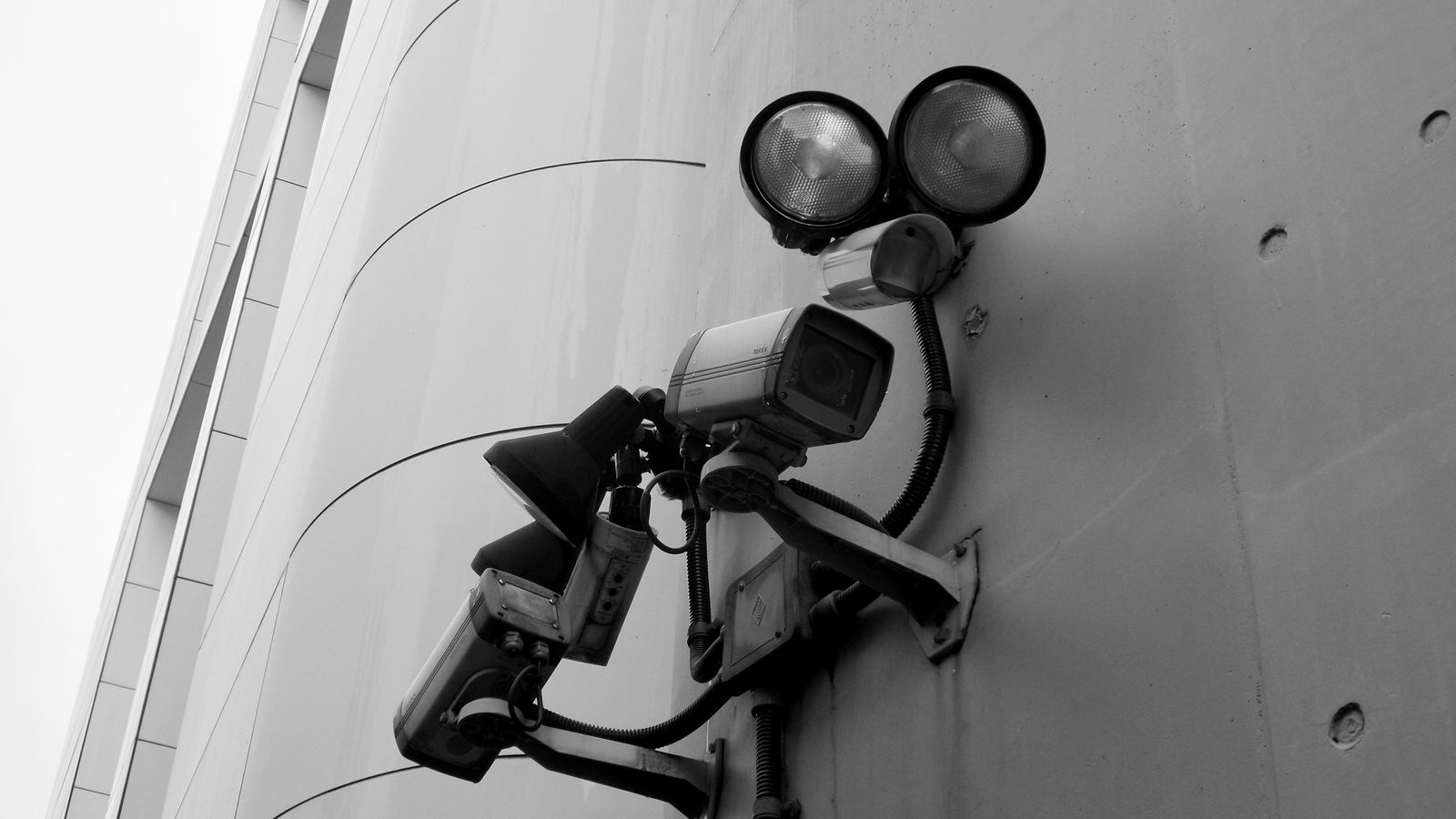
Close-up of a black and white CCTV surveillance camera with spotlights mounted on a building wall.
Interstate Surveillance Network Built Traffic-Stop Pretext
Police tracked the driver's vehicle through multiple jurisdictions using networked Flock cameras before initiating the stop. The automated license-plate recognition system let officers monitor the subject's movements without physical surveillance, according to the court record reviewed by 404 Media.
Flock Safety operates a national network of cameras that capture and store license-plate data, vehicle make and model, and timestamp information. Law enforcement agencies subscribe to the service and can query the database or set automated alerts for specific plates.
Officers used the tracking data to position themselves for an intercept, then cited a minor traffic infraction as the stated basis for the stop. The subsequent search yielded cannabis.
The surveillance preceded the stated justification for the stop by hours, raising questions about whether the traffic violation was pretextual under Whren v. United States and subsequent Fourth Amendment case law.
Fourth Amendment Implications for Cannabis Enforcement
The case tests whether prolonged, warrantless geolocation tracking via third-party cameras constitutes a search under Carpenter v. United States, 585 U.S. ___ (2018). In Carpenter, the Supreme Court held that accessing seven days of cell-site location data required a warrant because it revealed an intimate picture of a person's life.
Flock camera networks can reconstruct travel patterns across days or weeks. Defense attorneys in cannabis cases have begun challenging these searches. They argue that aggregated ALPR data functions as continuous GPS monitoring, a practice the Court restricted in United States v. Jones, 565 U.S. 400 (2012).
No federal appellate court has yet ruled definitively on whether Flock-derived tracking requires a warrant. The issue is working its way through district courts, particularly in states where cannabis possession remains a felony.
Implications for State-Legal Cannabis Programs
Interstate cannabis enforcement using surveillance technology complicates state-legal markets, where patients and operators routinely cross state lines. Medical cardholders traveling from Ohio to Michigan dispensaries, or California cultivators transporting clones to Oregon, generate ALPR records that can be queried by any subscribing agency.
For full background on this story, see the CannIntel topic hub on Cannabis Surveillance and Civil Liberties.
A suppression hearing on the search is the next procedural step. If the court grants the motion, the evidence—and any derivative evidence—will be excluded under the fruit-of-the-poisonous-tree doctrine. That ruling would set precedent for similar Flock-assisted stops in the jurisdiction.
For complete background, history, and our ongoing coverage of this story:
Open the CannIntel topic hub →Sources
The cannabis newsletter you forward to your team.
Federal policy, market data, grower alerts, and the one story that matters today. Sent every weekday at 7am. Free.
No spam. Unsubscribe with one click. 21+ only.
Related from Laws

Washington Warns Providers Against Improper Cannabis Authorizations
State health regulators issued guidance targeting clinic referral schemes and authorization mills.

DEA Judge Freezes Cannabis Rescheduling Over Missing Paperwork Report
Administrative law judge halts Schedule III proceedings pending agency response to procedural compliance allegations.

DEA Rescheduling Status Tops Industry Readership in September
Cannabis Business Times reports federal rescheduling inquiry led monthly traffic as operators await final rule.
More from the newsroom
THCA Flower Brands Split Catalogs by Cultivation Method
Hemp-derived THCA brands now market indoor, greenhouse, and outdoor flower separately as consumer demand for cultivation transparency grows.
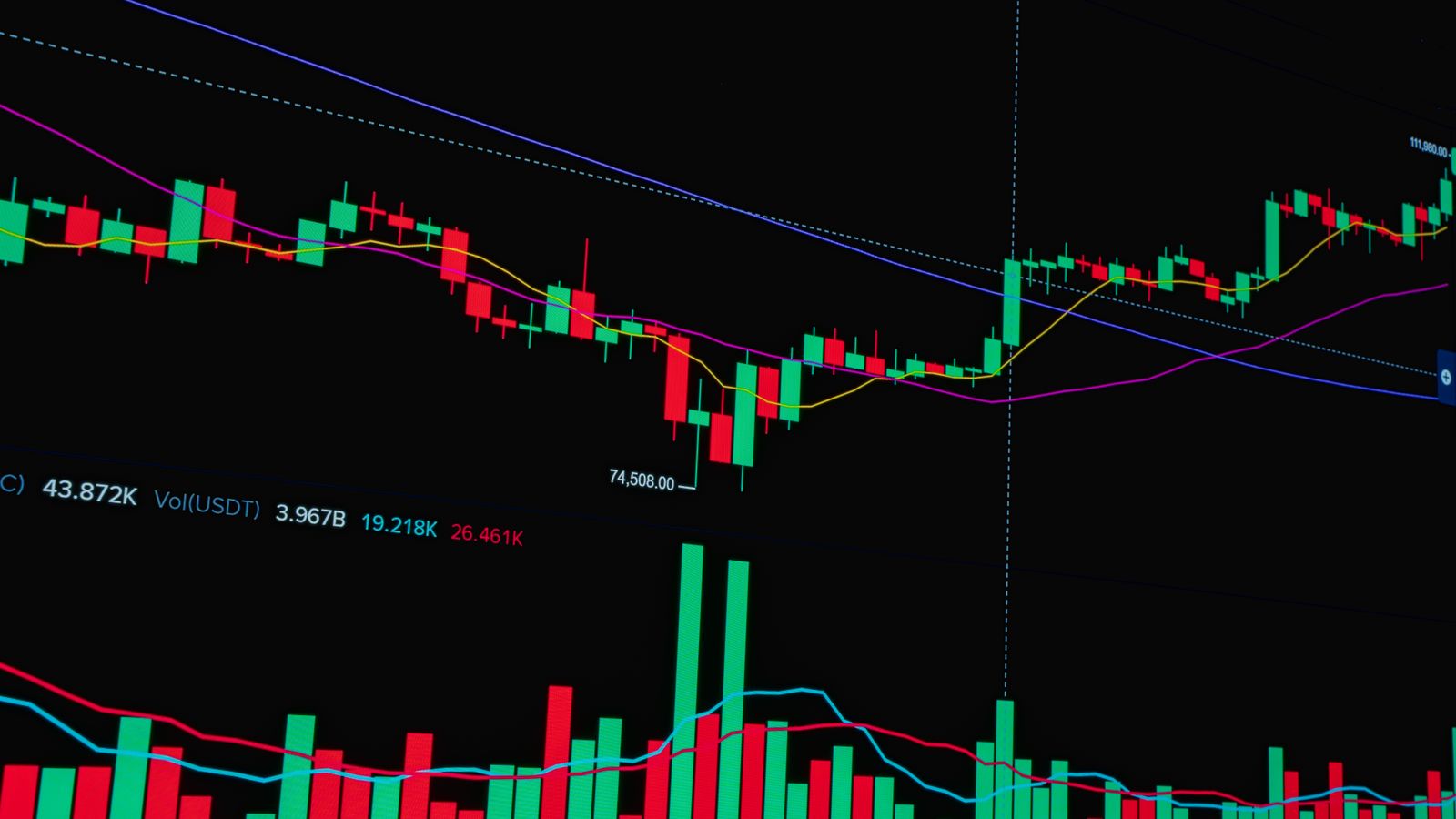
DEA Procedural Delay Triggers Cannabis Stock Decline
Multi-state operators lost 4-7% after the agency postponed a key rescheduling hearing without explanation.

Pre-Rolls Overtake Flower as Canada's Top Cannabis Category
Manufactured convenience products now command larger market share than traditional bud in Canadian retail.