DEA Procedural Delay Triggers Cannabis Stock Decline
Multi-state operators lost 4-7% after the agency postponed a key rescheduling hearing without explanation.
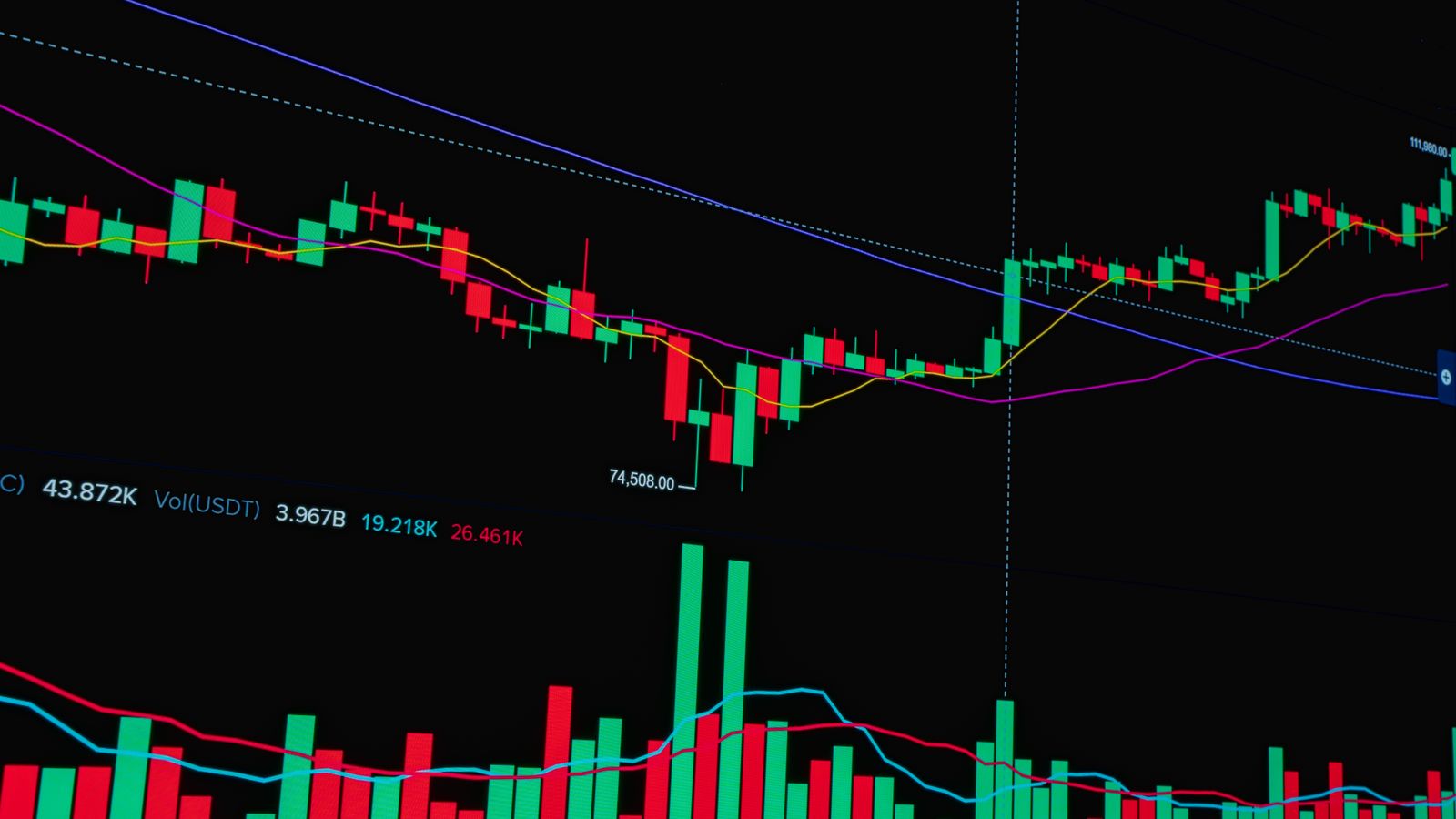
Bright candlestick chart showing stock market trends and analysis.
The Market Reaction
Major MSOs declined 4-7% in Monday trading following the DEA announcement. Curaleaf Holdings dropped 6.8%. Trulieve Cannabis fell 5.9%. Green Thumb Industries declined 4.3%. The Cannabis ETF (MSOS) closed down 5.1%, its steepest single-day loss since June.
Trading volume spiked to 180% of the 30-day average. Options activity showed a 3:1 put-to-call ratio—bearish sentiment dominated retail and institutional positioning.
What the DEA Postponed
The agency was scheduled to hold an administrative law judge hearing on October 15, 2026, to review public comments on the proposed Schedule III reclassification. That hearing is now indefinitely delayed. The DEA's one-paragraph notice cited "additional review time required" but provided no revised date.
The notice appeared on the Federal Register docket late Friday, September 27, after market close. Industry counsel first flagged the change Monday morning.
Why This Matters for Operators
Rescheduling to Schedule III would eliminate the IRC Section 280E tax burden that prevents cannabis businesses from deducting ordinary operating expenses. MSOs currently pay effective federal tax rates of 70-85% because 280E disallows deductions for cost of goods sold in Schedule I/II businesses.
Curaleaf's most recent 10-Q estimated that Schedule III status would reduce its annual tax liability by $140-160 million. Trulieve projected $95-110 million in annual savings. Those figures assume rescheduling takes effect by Q1 2027. Each quarter of delay costs the sector roughly $200 million in aggregate tax overpayment.
Timeline Now Uncertain
The postponement means the final rule won't be published before January 2027 at the earliest. Administrative Procedure Act timelines require at least 60 days between the ALJ hearing and a final rule. If the hearing slips to December, the rule can't take effect until March or April.
One variable looms: the November 2026 election. A new administration could withdraw or modify the proposal entirely, though that scenario remains speculative.
What Operators Are Watching
Industry groups are pressing the DEA for a revised hearing date by mid-October. The National Cannabis Industry Association sent a letter Monday requesting clarity on the delay and a commitment to finalize the rule before year-end.
For background on the full rescheduling timeline and stakeholder positions, see the CannIntel topic hub on DEA rescheduling. We'll be watching whether the DEA posts a new hearing date within 30 days or lets the docket go dark into Q4.
For complete background, history, and our ongoing coverage of this story:
Open the CannIntel topic hub →Sources
The cannabis newsletter you forward to your team.
Federal policy, market data, grower alerts, and the one story that matters today. Sent every weekday at 7am. Free.
No spam. Unsubscribe with one click. 21+ only.
Related from Business

Michigan revokes grower license, fines Millie Montana $250K for dirt fraud
State regulators say the cultivator shipped dirt, mulch and plant waste in packages labeled as marijuana flower.

Pre-Rolls Overtake Flower as Canada's Top Cannabis Category
Manufactured convenience products now command larger market share than traditional bud in Canadian retail.

Virginia Opens First Adult-Use Cannabis Dispensaries
The state's regulated retail market launched Wednesday with 15 licensed stores, ending a three-year implementation delay.
More from the newsroom
THCA Flower Brands Split Catalogs by Cultivation Method
Hemp-derived THCA brands now market indoor, greenhouse, and outdoor flower separately as consumer demand for cultivation transparency grows.

Washington Warns Providers Against Improper Cannabis Authorizations
State health regulators issued guidance targeting clinic referral schemes and authorization mills.

DEA Judge Freezes Cannabis Rescheduling Over Missing Paperwork Report
Administrative law judge halts Schedule III proceedings pending agency response to procedural compliance allegations.