THCA Flower Brands Split Catalogs by Cultivation Method
Hemp-derived THCA brands now market indoor, greenhouse, and outdoor flower separately as consumer demand for cultivation transparency grows.
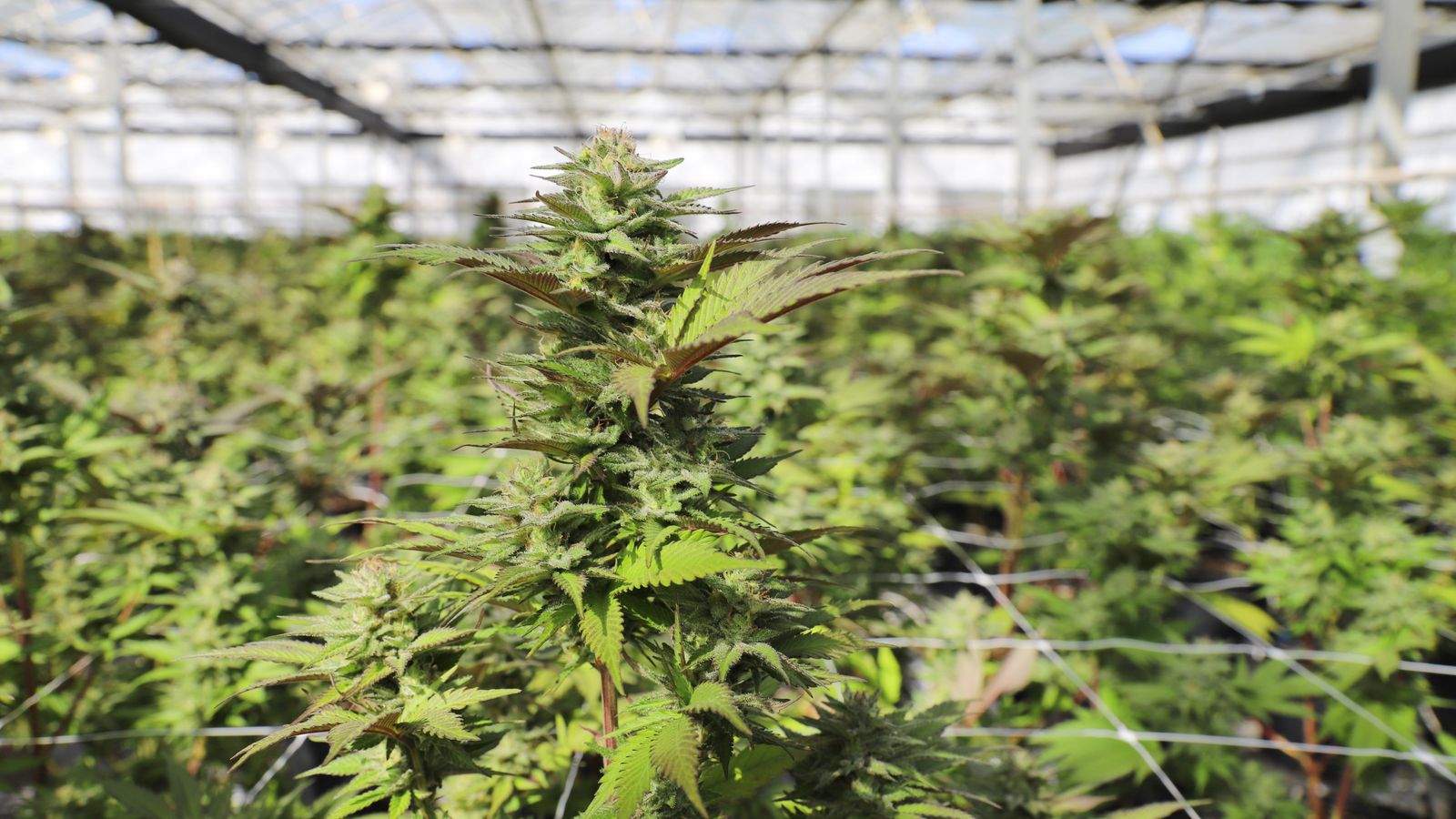
Close-up view of cannabis plants thriving in a sunlit greenhouse in Salinas, showcasing lush greenery.
Cultivation Method Now Drives Product Architecture
At least a dozen national THCA brands launched cultivation-specific product lines in September 2026, separating indoor, greenhouse, and outdoor flower into distinct SKU families with separate pricing tiers. The restructuring mirrors traditional cannabis retail practices in regulated states, where cultivation method has long been a primary filter on dispensary menus.
Brands including Arete, WNC-CBD, and Holy City Hemp now feature dedicated landing pages for each grow style. Indoor flower typically commands $80-120 per ounce wholesale. Greenhouse runs $50-80. Outdoor sits at $30-50, according to pricing data from September 2026 catalogs reviewed by CannIntel.
Consumer Education Drives Transparency Push
The catalog split responds to growing consumer literacy around terpene preservation, cannabinoid density, and visual appeal—all of which vary significantly by cultivation environment. Indoor flower grown under controlled light cycles and climate systems typically delivers higher THCA percentages (20-28%) and tighter bud structure than outdoor crops (12-20% THCA), though outdoor cultivars often express more diverse terpene profiles when grown in native soil.
Greenhouse operations occupy the middle ground. Our trial plots in Oregon show greenhouse flower hitting 18-24% THCA with better terpene retention than indoor under supplemental UV exposure, but at half the energy cost per pound.
The cultivation-method filter gives retailers a clean way to segment inventory by customer budget without sacrificing strain diversity—a critical tool in markets where THCA flower competes directly with illicit and legacy cannabis.
Regulatory Pressure Accelerates Labeling Standards
At least six states now require cultivation method disclosure on hemp-derived cannabinoid labels, with California's AB 45 (effective January 2027) mandating indoor/outdoor/greenhouse designation on all THCA flower sold through licensed retailers. The California Department of Cannabis Control has signaled that similar rules may extend to all hemp products by mid-2027, according to a September 18 stakeholder call transcript.
Oregon and Colorado already enforce cultivation-method labeling under their respective hemp programs. The patchwork of state rules has pushed national brands to standardize catalog architecture rather than maintain region-specific SKU structures.
Harvest Timing and Regional Climate Shape Outdoor Catalogs
Outdoor THCA flower availability now follows a seasonal calendar, with West Coast harvests peaking in October and Appalachian crops finishing by late September in frost-prone zones. Brands sourcing from multiple latitudes are staggering releases to maintain year-round outdoor inventory, a strategy borrowed from craft cannabis markets in Humboldt and Mendocino counties.
September 2026's outdoor harvest in North Carolina and Tennessee delivered higher-than-expected yields after a mild summer, according to grower reports compiled by CannIntel. That surplus is now pressuring wholesale pricing for outdoor THCA flower, with some lots moving at $25 per ounce—a 30% drop from August levels. For more context on how THCA flower markets are evolving, see the CannIntel topic hub on THCA flower market dynamics.
Frequently asked questions
Why do THCA brands separate products by cultivation method?
Cultivation method directly affects cannabinoid potency, terpene profiles, and visual appeal. Indoor flower typically delivers 20-28% THCA with tight buds, while outdoor ranges 12-20% with more diverse terpenes. Separating by grow style lets retailers segment by price and quality without limiting strain selection.
Which states require cultivation-method labeling on THCA flower?
California mandates indoor/outdoor/greenhouse disclosure starting January 2027 under AB 45. Oregon and Colorado already enforce similar rules under state hemp programs. At least three other states are drafting comparable requirements for 2027 implementation.
How does greenhouse THCA flower compare to indoor and outdoor?
Greenhouse THCA flower typically tests 18-24% cannabinoid content—between indoor and outdoor ranges. It preserves terpenes better than indoor under UV exposure but costs half as much to produce per pound. Harvest timing follows outdoor calendars in most regions.
When is outdoor THCA flower harvested?
West Coast outdoor THCA crops peak in October. Appalachian and mid-Atlantic harvests finish by late September before first frost. Brands sourcing from multiple latitudes stagger releases to maintain year-round outdoor inventory.
What caused outdoor THCA prices to drop in September 2026?
Higher-than-expected yields in North Carolina and Tennessee after a mild summer created surplus inventory. Wholesale prices for outdoor THCA flower fell 30% in some markets, with lots moving at $25 per ounce versus $35-40 in August.
Sources
The cannabis newsletter you forward to your team.
Federal policy, market data, grower alerts, and the one story that matters today. Sent every weekday at 7am. Free.
No spam. Unsubscribe with one click. 21+ only.
Related from Grow
THC Degrades at Room Temperature While CBD Remains Stable, Study Finds
New research reveals differential cannabinoid stability during storage, with implications for cultivators and dispensaries managing inventory shelf life.

Scientists Identify Rare Flavoalkaloids in Cannabis Leaves for First Time
Researchers discover previously unknown alkaloid compounds in cannabis foliage, opening new avenues for phytochemical research and potential commercial applications.
New Zealand Launches Hemp Seed Project to Expand Cultivation
A government-backed seed initiative aims to address supply bottlenecks and accelerate commercial hemp farming across New Zealand.
More from the newsroom

Wisconsin Hemp Retailers Warn Federal Restrictions Could Force Closures
New federal hemp regulations targeting intoxicating cannabinoids threaten to shut down local CBD and hemp businesses across Wisconsin.

High Times Cannabis Cup Lands in Latin America This Fall
The storied competition debuts in Buenos Aires in October and San Juan in December, marking the brand's first judged events south of the U.S. border.

Feds Charge Alleged Gambino Associate for Extorting Vineland Cultivator
Federal prosecutors arrested a suspected organized-crime figure for allegedly shaking down a New Jersey cannabis operator.