THC Degrades at Room Temperature While CBD Remains Stable, Study Finds
New research reveals differential cannabinoid stability during storage, with implications for cultivators and dispensaries managing inventory shelf life.
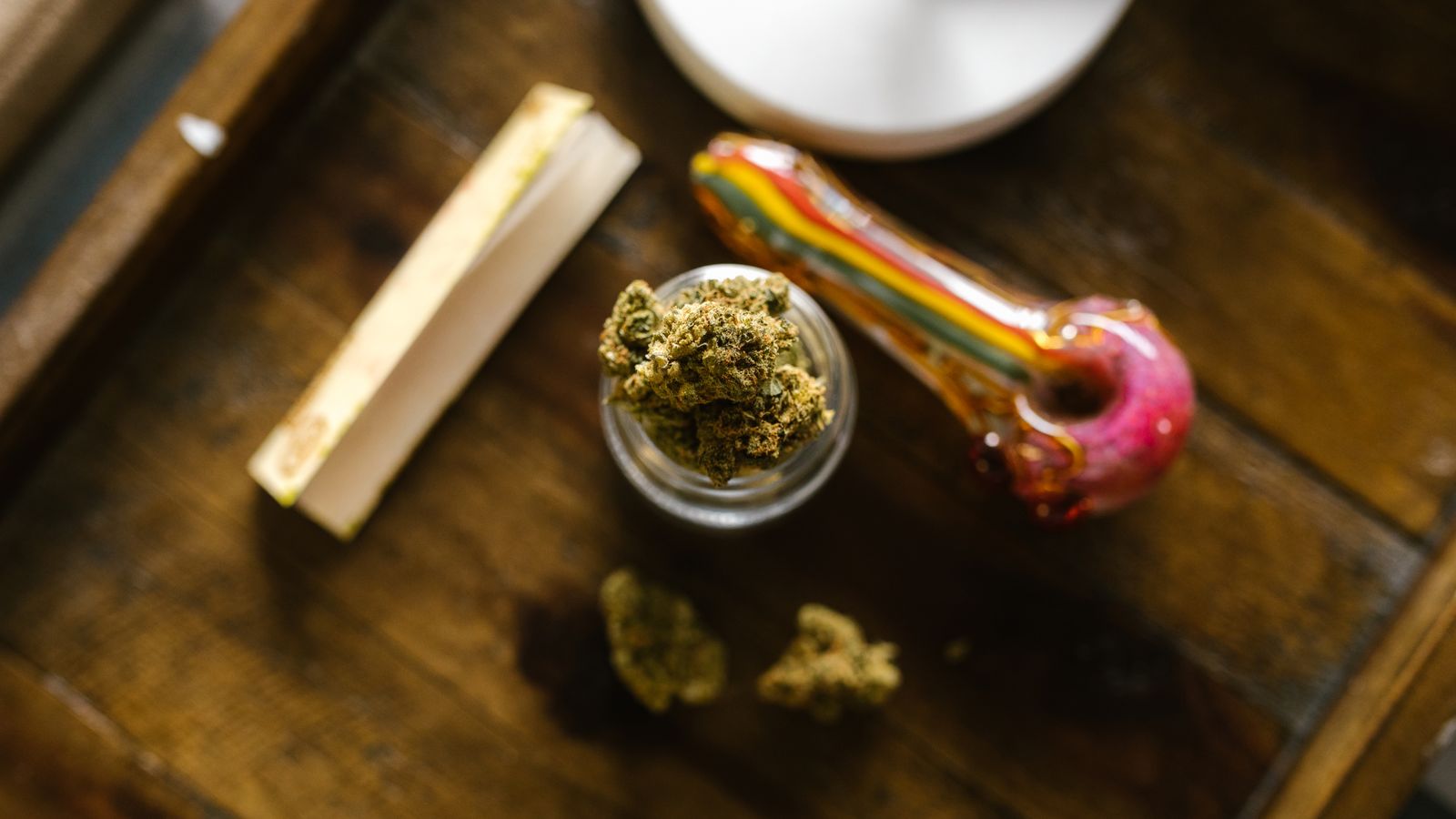
Top view of cannabis buds, a glass pipe, and rolling papers on a wooden surface.
THC Loss Accelerates Without Climate Control
THC concentrations decline measurably within 30 days at standard room temperature (68-72°F), while CBD shows negligible degradation over the same period. The differential stability stems from THC's susceptibility to oxidation and decarboxylation pathways that accelerate in warmer, oxygen-rich environments. CBD's molecular structure includes a hydroxyl group positioned to resist the same degradation mechanisms.
For cultivators storing cured flower in warehouse conditions without HVAC, the math is brutal. A batch testing at 22% THC on harvest day could drop to 19-20% after 60 days at 70°F. That's a label-compliance issue in states like California and Michigan, where finished-product testing occurs weeks after cultivation batches are sealed. The regulatory window doesn't account for time-based degradation.
Refrigerated storage (35-40°F) slows THC oxidation by roughly 60% compared to room temperature, but it introduces humidity-management costs. Most mid-sized cultivators can't justify the HVAC retrofit for short-term flower storage. The trade-off: faster product turnover or accept the potency loss as a cost of doing business.
CBD-Dominant Products Gain Shelf-Life Advantage
CBD-rich flower and extracts maintain labeled potency for significantly longer periods without refrigeration, a competitive edge in wholesale and direct-to-consumer channels. Operators producing high-CBD cultivars like ACDC, Harlequin, or Charlotte's Web can extend inventory cycles without the same potency-decay risk that THC-dominant strains face.
This stability gap matters most in low-velocity SKUs. A dispensary holding six months of slow-moving CBD tincture inventory faces minimal cannabinoid loss. The same timeline for a high-THC vape cartridge stored in a back room could result in a 15-20% potency drop, depending on packaging and ambient conditions.
Extract manufacturers using CBD isolate in formulations also benefit from this stability. Isolate stored in sealed containers at room temperature shows near-zero degradation over 12 months, according to the study. THC distillate, by contrast, begins oxidizing within 90 days even in opaque, nitrogen-flushed packaging. That's why most processors now date-code distillate batches and prioritize FIFO (first-in, first-out) rotation.
What This Means for Post-Harvest Protocols
The findings validate what many cultivators already suspected: room-temperature storage is a liability for THC products, but CBD products tolerate it. The practical response depends on facility scale and product mix. Large MSOs with climate-controlled vaults can maintain potency across all cannabinoid profiles. Smaller operators face a choice. Invest in refrigeration, shorten inventory cycles, or accept degradation as shrink.
One overlooked variable is packaging material. Mylar and HDPE (high-density polyethylene) bags slow but don't stop oxidation. Glass jars with nitrogen flush perform better, but add cost and weight. The study didn't test packaging variables, so real-world degradation rates likely vary by container type.
For dispensaries, the takeaway is inventory turnover velocity. High-THC flower that sits on a shelf for 90 days is a different product than it was on day one. That's not a compliance issue yet—most states test at packaging, not point-of-sale—but it's a quality issue. Customers buying 25% THC flower expect 25% THC flower, not 22%. The next signal to watch: whether any state regulators begin requiring expiration dating based on cannabinoid-stability data. For background on cannabinoid stability and storage best practices, see the CannIntel topic hub on cannabis storage and degradation.
Frequently asked questions
How much THC is lost during room-temperature storage?
THC concentrations can decline 10-15% over 60 days at standard room temperature (68-72°F), depending on packaging and humidity. Refrigeration at 35-40°F slows oxidation by approximately 60% compared to ambient conditions.
Why does CBD remain stable while THC degrades?
CBD's molecular structure includes a hydroxyl group that resists oxidation and decarboxylation pathways. THC lacks this protective configuration and degrades more readily when exposed to oxygen and moderate heat.
Do dispensaries need to refrigerate inventory?
Not legally required in most states, but refrigeration extends shelf life for THC-dominant products. CBD products tolerate room-temperature storage with minimal potency loss. High-velocity SKUs may not justify refrigeration costs.
Does packaging type affect cannabinoid degradation rates?
Yes. Glass containers with nitrogen flush slow oxidation more effectively than Mylar or HDPE bags, though the study did not quantify packaging-specific degradation rates. Opaque, airtight containers perform better than clear or permeable materials.
Will states require expiration dating based on cannabinoid stability?
Not yet. Most states test cannabinoid content at packaging, not point-of-sale. However, as stability data accumulates, regulators may adopt expiration-date requirements similar to those in pharmaceutical and food industries.
Sources
The cannabis newsletter you forward to your team.
Federal policy, market data, grower alerts, and the one story that matters today. Sent every weekday at 7am. Free.
No spam. Unsubscribe with one click. 21+ only.
Related from Grow
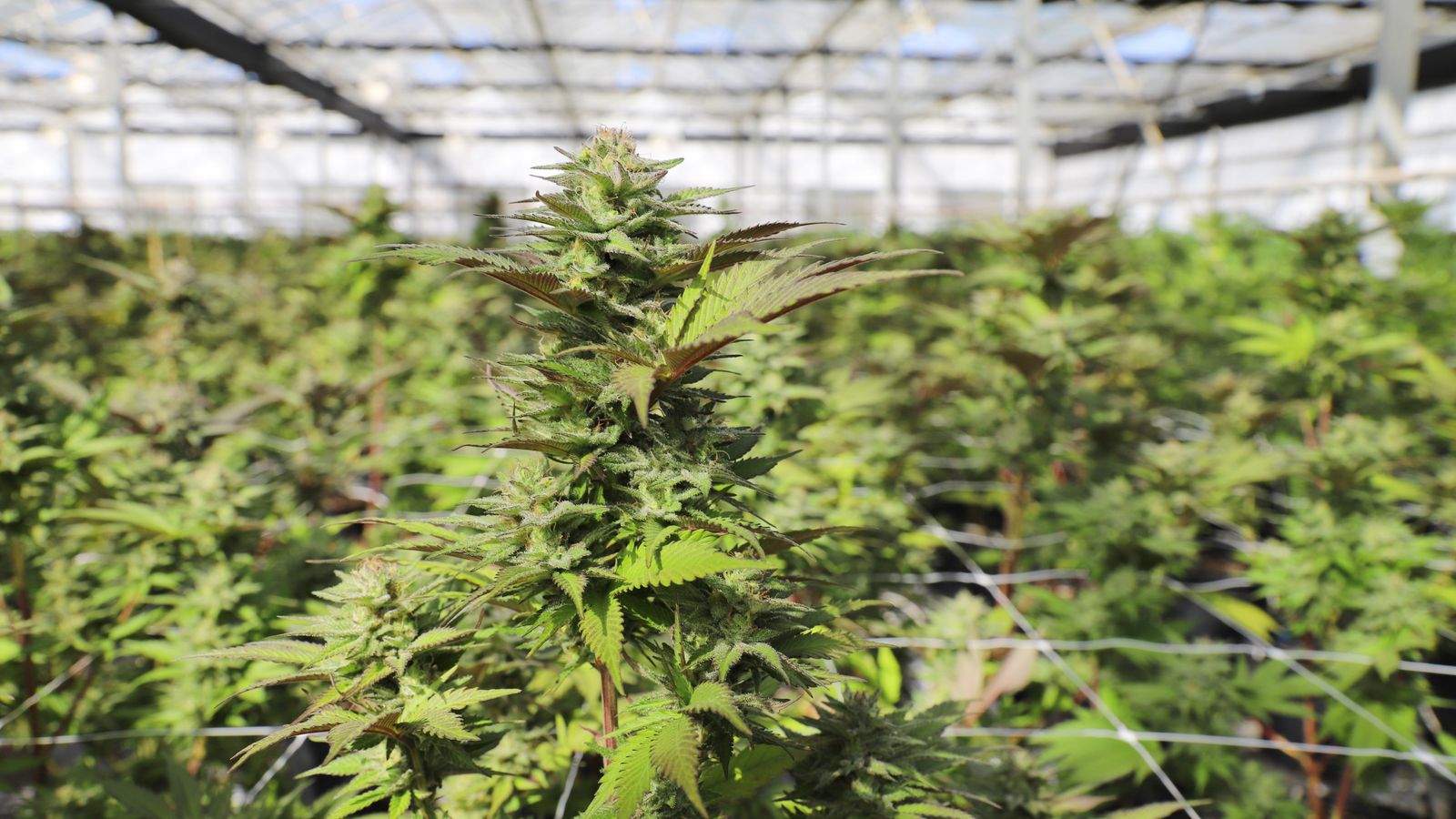
THCA Flower Brands Split Catalogs by Cultivation Method
Hemp-derived THCA brands now market indoor, greenhouse, and outdoor flower separately as consumer demand for cultivation transparency grows.

Scientists Identify Rare Flavoalkaloids in Cannabis Leaves for First Time
Researchers discover previously unknown alkaloid compounds in cannabis foliage, opening new avenues for phytochemical research and potential commercial applications.
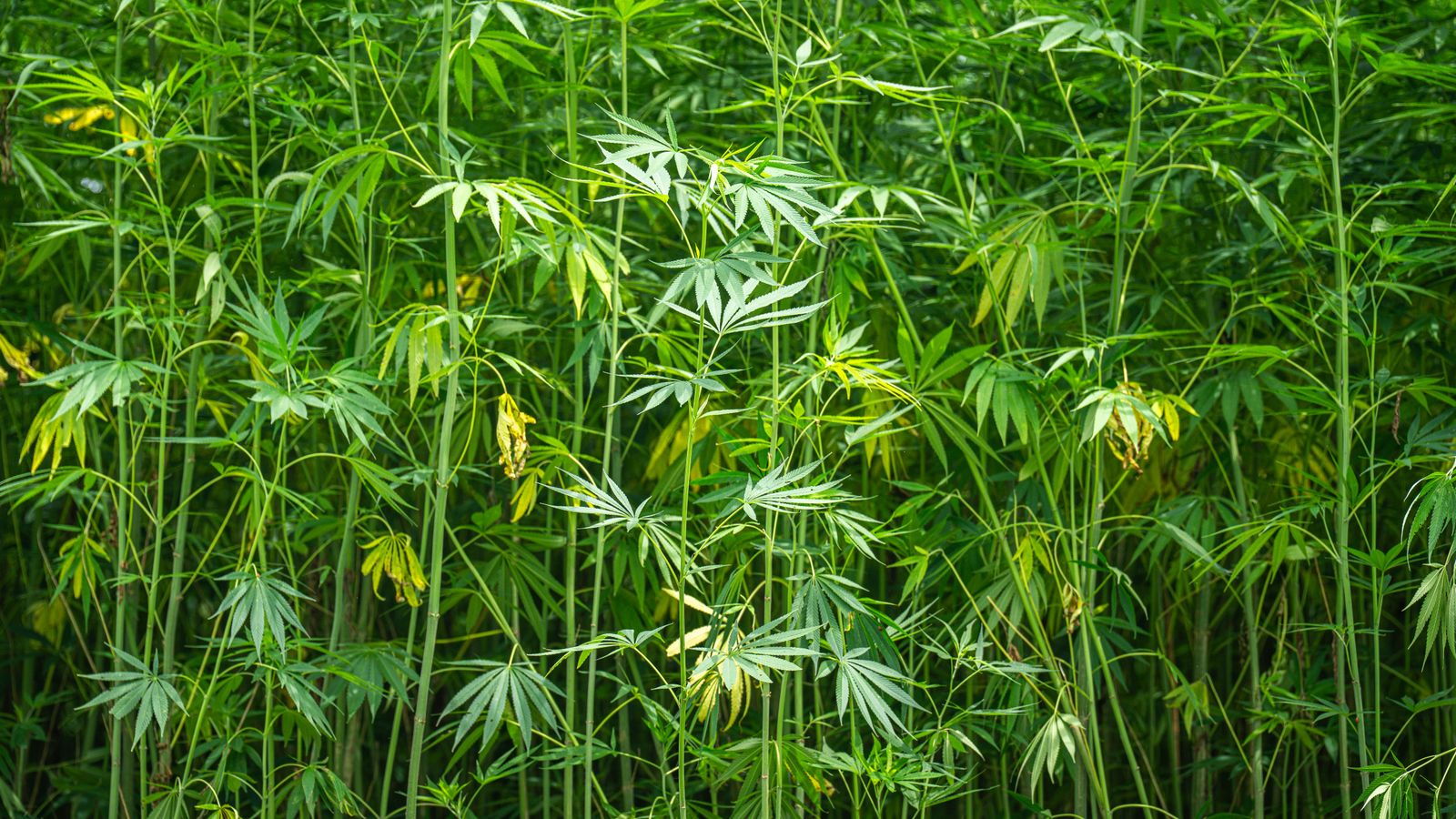
New Zealand Launches Hemp Seed Project to Expand Cultivation
A government-backed seed initiative aims to address supply bottlenecks and accelerate commercial hemp farming across New Zealand.
More from the newsroom

Wisconsin Hemp Retailers Warn Federal Restrictions Could Force Closures
New federal hemp regulations targeting intoxicating cannabinoids threaten to shut down local CBD and hemp businesses across Wisconsin.

High Times Cannabis Cup Lands in Latin America This Fall
The storied competition debuts in Buenos Aires in October and San Juan in December, marking the brand's first judged events south of the U.S. border.

Feds Charge Alleged Gambino Associate for Extorting Vineland Cultivator
Federal prosecutors arrested a suspected organized-crime figure for allegedly shaking down a New Jersey cannabis operator.