Scientists Identify Rare Flavoalkaloids in Cannabis Leaves for First Time
Researchers discover previously unknown alkaloid compounds in cannabis foliage, opening new avenues for phytochemical research and potential commercial applications.

Detailed close-up of a hand carefully holding a fresh green cannabis leaf, showcasing growth and freshness.
Discovery Marks First Documentation of Flavoalkaloids in Cannabis
Scientists have confirmed the presence of flavoalkaloids in cannabis leaf tissue, a compound class never before documented in the plant. The findings represent a significant expansion of our understanding of cannabis biochemistry, according to the research team's published work.
Flavoalkaloids are hybrid molecules. They combine structural features of both flavonoids and alkaloids. While flavonoids like cannflavin A and cannflavin B have been studied in cannabis for decades, this marks the first time researchers have identified compounds with alkaloid nitrogen groups fused to flavonoid backbones in our beds.
The discovery came during routine phytochemical screening of mature fan leaves from multiple cannabis cultivars. Researchers used advanced liquid chromatography-mass spectrometry techniques to isolate and characterize the novel compounds, which appeared in trace concentrations across all tested varieties.
The identification of these compounds challenges our assumption that we've mapped the full chemical landscape of cannabis—there's clearly more complexity in the leaf tissue than we've given it credit for.
Implications for Cultivation and Breeding Programs
The presence of flavoalkaloids in cannabis leaves could influence how growers manage harvest timing and post-harvest processing of trim material. These compounds appear to concentrate in mature vegetative tissue rather than in flowers, suggesting that leaf material discarded during trimming may hold untapped phytochemical value.
For breeders, the discovery opens questions about genetic variation in flavoalkaloid production. If these compounds vary by cultivar—as preliminary data suggest—they could become targets for selective breeding programs aimed at enhancing specific phytochemical profiles. Northern Lights and other heritage cultivars showed different concentration patterns than modern hybrids in the initial screening.
Outdoor growers in particular may need to reconsider their approach to leaf management, because flavoalkaloid concentrations appeared to peak during late vegetative growth and early flowering, a window that coincides with critical nutrient uptake phases in outdoor cultivation cycles. Whether these compounds play a role in pest resistance or stress response remains unknown. The timing is suggestive.
The findings also raise questions for extraction operations. Most commercial processors focus exclusively on cannabinoid and terpene recovery from flower material, treating trim as low-value biomass. If flavoalkaloids demonstrate bioactivity in future studies, that calculus could shift, particularly for operations already extracting flavonoids from leaf waste streams.
Next Steps for Phytochemical Research
Researchers are now working to determine whether flavoalkaloids have measurable biological activity and how their production is regulated at the genetic level. The immediate priority is biosynthetic pathway mapping—identifying which enzymes catalyze flavoalkaloid formation and whether those pathways overlap with known cannabinoid or terpene synthesis routes.
Early hypotheses suggest flavoalkaloids may arise from the phenylpropanoid pathway, the same metabolic route that produces flavonoids and some terpene precursors. If confirmed, this would position flavoalkaloids as potential biomarkers for overall plant health and metabolic efficiency. Useful metrics for both research and commercial cultivation.
The research team is also investigating environmental triggers, and preliminary observations indicate that nitrogen availability and light spectrum may influence flavoalkaloid accumulation, variables that growers already manipulate to optimize cannabinoid production. Whether these compounds respond to the same inputs—or require distinct management strategies—will determine their practical relevance for cultivation.
For context on the broader scope of cannabis secondary metabolites, see the CannIntel topic hub on Cannabis Phytochemistry, which tracks emerging research on cannabinoids, terpenes, flavonoids, and now flavoalkaloids.
The discovery underscores a reality growers already know: we're still learning what cannabis is capable of producing. As analytical techniques improve and researchers apply them to tissues beyond flower, we're likely to find more surprises in the chemistry of this plant.
Frequently asked questions
What are flavoalkaloids and how do they differ from other cannabis compounds?
Flavoalkaloids are hybrid molecules combining structural features of flavonoids and alkaloids, with nitrogen-containing groups fused to flavonoid backbones. Unlike cannabinoids, which are terpenophenolic compounds, or terpenes, which lack nitrogen, flavoalkaloids represent a distinct chemical class never before documented in cannabis. They appear in leaf tissue rather than flowers.
Do flavoalkaloids have any known effects or uses?
Not yet. Researchers have only just identified these compounds in cannabis and haven't tested them for biological activity. In other plants, flavoalkaloids have shown anti-inflammatory and antimicrobial properties, but whether cannabis-derived versions have similar effects remains unknown. Bioactivity testing is the next research priority.
Should growers change their cultivation practices based on this discovery?
Not immediately. The discovery is too new to justify operational changes. However, growers who save trim material for extraction may want to track this research, as flavoalkaloids could add value to leaf tissue currently treated as waste. Outdoor cultivators should note that these compounds peak during late vegetative growth, a window that may become relevant if bioactivity is confirmed.
Which cannabis cultivars produce the most flavoalkaloids?
Researchers found flavoalkaloids across multiple cultivars but haven't published cultivar-specific concentration data yet. Preliminary screening suggests heritage strains like Northern Lights may show different patterns than modern hybrids, indicating genetic variation. Comprehensive cultivar profiling is underway.
How were these compounds discovered if they've been in cannabis all along?
Flavoalkaloids appear in trace concentrations and require advanced analytical equipment to detect. Most cannabis research has focused on flowers and cannabinoid-rich tissue, not mature fan leaves. As labs apply more sensitive chromatography-mass spectrometry techniques to a wider range of plant tissues, previously invisible compounds become detectable.
Sources
The cannabis newsletter you forward to your team.
Federal policy, market data, grower alerts, and the one story that matters today. Sent every weekday at 7am. Free.
No spam. Unsubscribe with one click. 21+ only.
Related from Grow
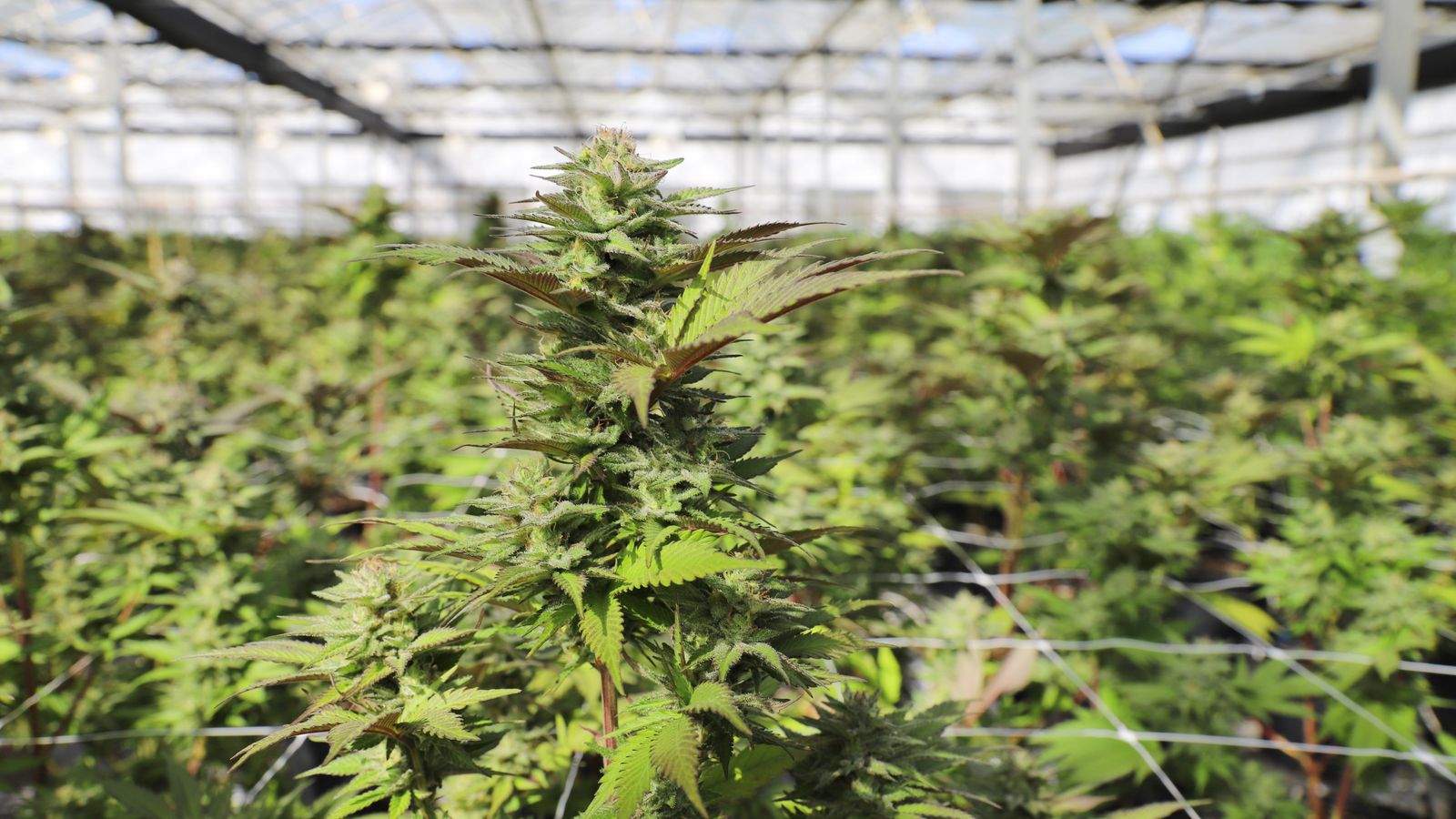
THCA Flower Brands Split Catalogs by Cultivation Method
Hemp-derived THCA brands now market indoor, greenhouse, and outdoor flower separately as consumer demand for cultivation transparency grows.
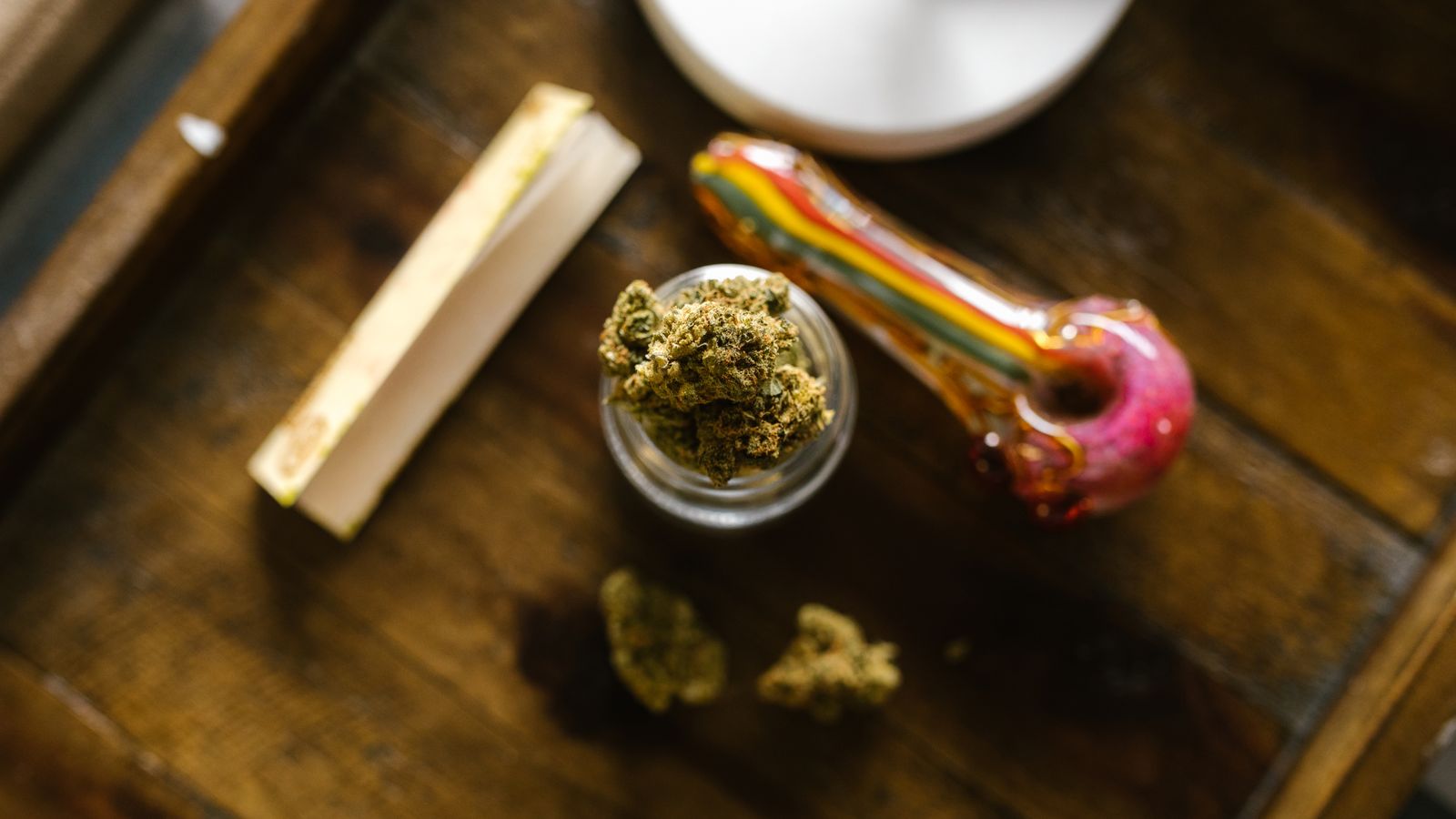
THC Degrades at Room Temperature While CBD Remains Stable, Study Finds
New research reveals differential cannabinoid stability during storage, with implications for cultivators and dispensaries managing inventory shelf life.
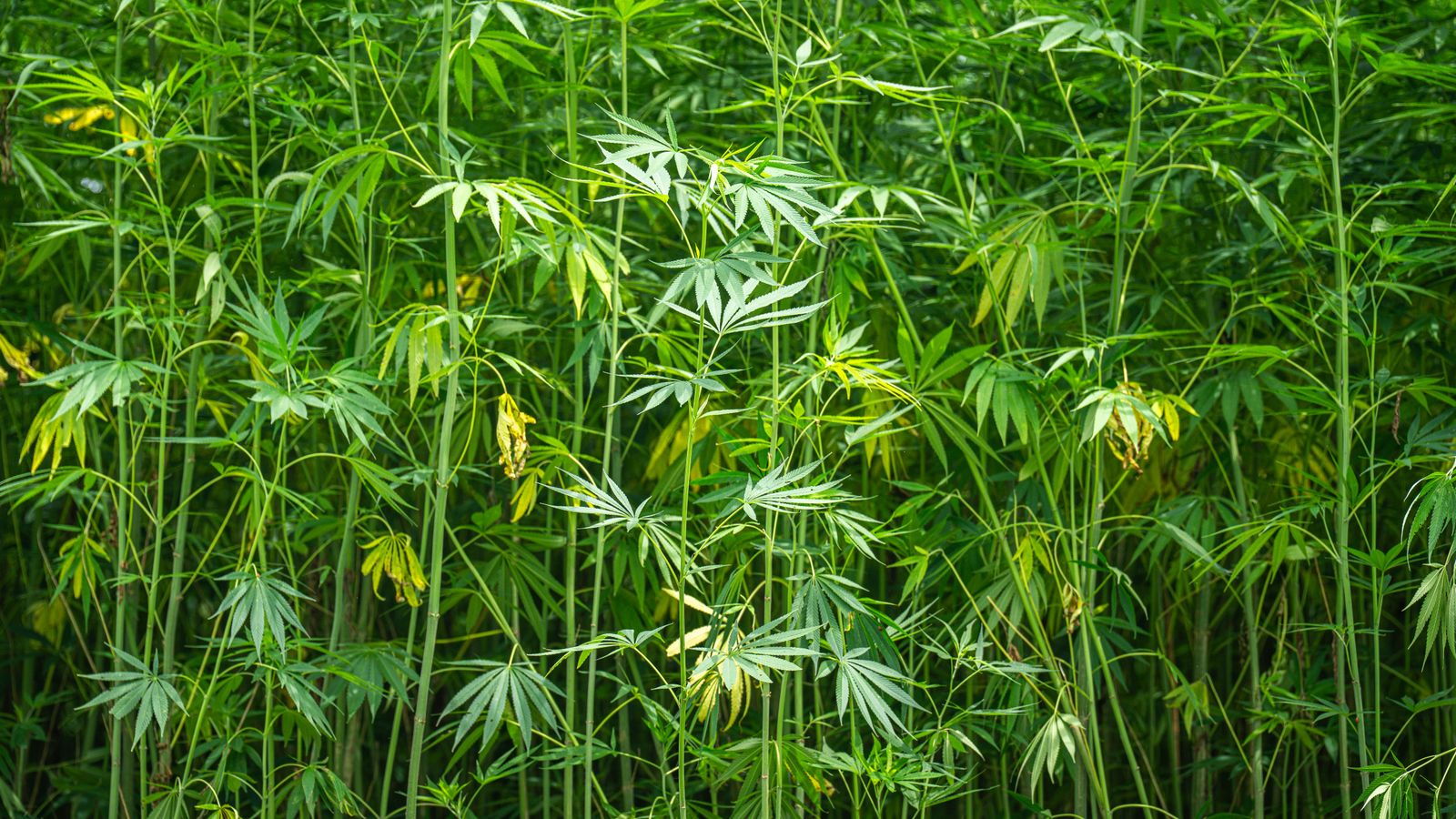
New Zealand Launches Hemp Seed Project to Expand Cultivation
A government-backed seed initiative aims to address supply bottlenecks and accelerate commercial hemp farming across New Zealand.
More from the newsroom

Michigan revokes grower license, fines Millie Montana $250K for dirt fraud
State regulators say the cultivator shipped dirt, mulch and plant waste in packages labeled as marijuana flower.

Washington Warns Providers Against Improper Cannabis Authorizations
State health regulators issued guidance targeting clinic referral schemes and authorization mills.

DEA Judge Freezes Cannabis Rescheduling Over Missing Paperwork Report
Administrative law judge halts Schedule III proceedings pending agency response to procedural compliance allegations.