New Zealand Launches Hemp Seed Project to Expand Cultivation
A government-backed seed initiative aims to address supply bottlenecks and accelerate commercial hemp farming across New Zealand.
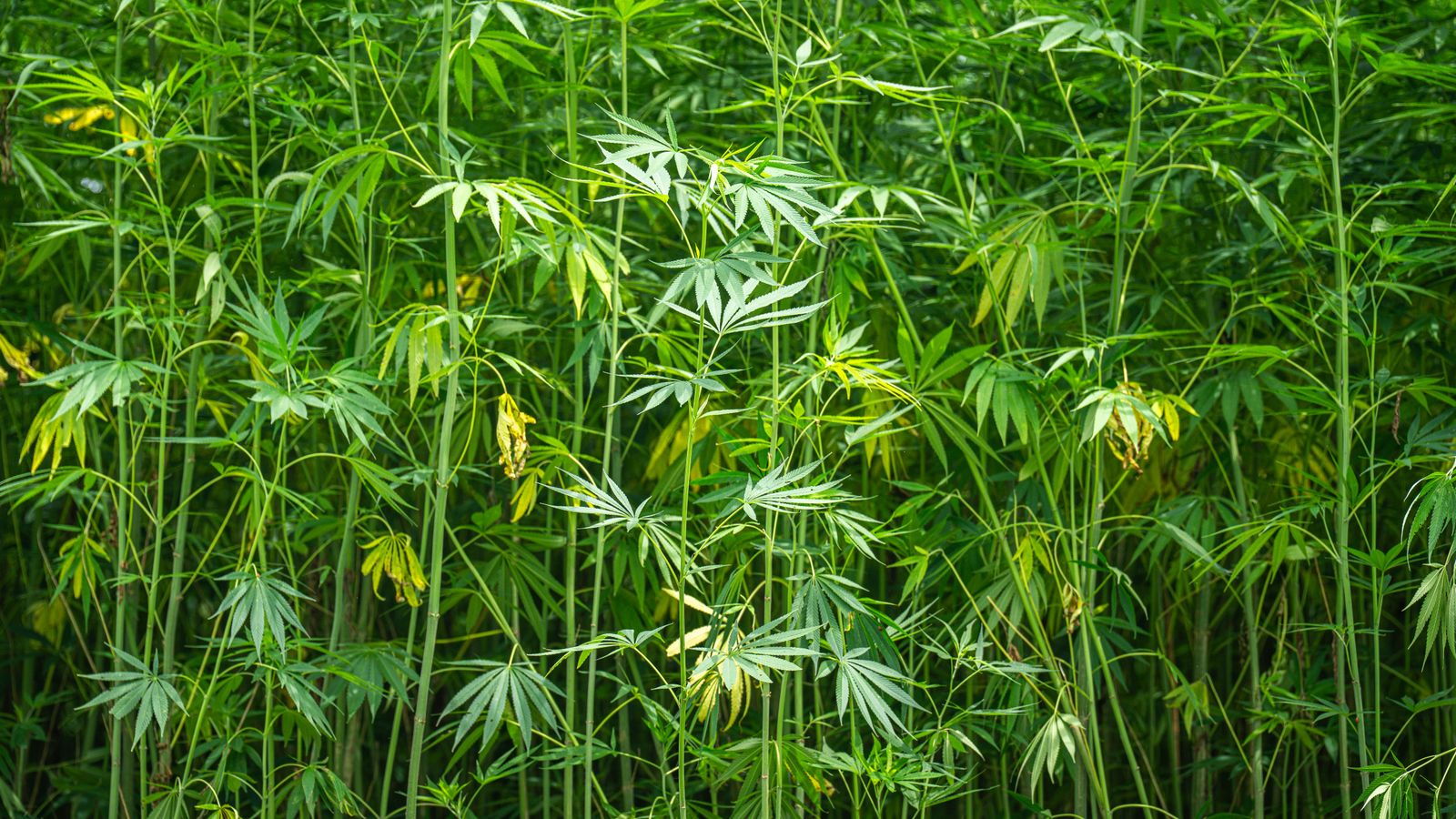
Vibrant hemp plants growing outdoors in a lush natural environment, showcasing long green leaves.
Seed Genetics Program Targets Yield and THC Compliance
The project will develop hemp cultivars optimized for New Zealand's climate while maintaining THC levels below the 0.3% legal threshold. Researchers are working with international seed banks and domestic breeding programs to create varieties suited to both North and South Island growing conditions. The focus is on dual-purpose cultivars that maximize fiber quality and grain yield without crossing regulatory limits.
Growers have reported difficulty sourcing certified seed that performs reliably in local microclimates, even though New Zealand's current hemp regulations permit cultivation under license. This seed scarcity has constrained acreage expansion even as processors signal capacity for increased throughput.
Government Backing and Research Partnerships
The seed initiative is supported by New Zealand's Ministry for Primary Industries and involves collaboration with Crown Research Institutes. Funding details weren't disclosed in the announcement, but the project is structured as a multi-year breeding and field-trial program. Partners include Plant & Food Research, a government-owned entity with expertise in horticultural genetics.
Hemp represents a strategic crop for land diversification, particularly in regions transitioning away from dairy or seeking rotational alternatives, according to the ministry. Industrial hemp requires minimal pesticide input. It offers carbon-sequestration benefits during the growing cycle.
Addressing the Seed Availability Bottleneck
Certified seed shortages have been the primary constraint on New Zealand hemp acreage, which remains under 1,000 hectares nationally. Most growers currently import seed from Canada or Europe, adding cost and lead time. Domestic seed production would reduce import dependency and allow faster varietal iteration based on local performance data.
Establishing a certified seed multiplication program by 2028 is the project's aim, enabling commercial-scale distribution to licensed growers. Seed certification standards will align with OECD guidelines to facilitate potential export markets.
Market Drivers: Fiber Demand and Grain Exports
New Zealand's hemp industry is targeting construction materials, textiles, and food-grade grain markets. Domestic processors have invested in decorticating equipment for fiber separation, but feedstock supply hasn't kept pace with installed capacity. Hemp grain is positioned as a high-protein export commodity, particularly to Australia and Asian markets where plant-based protein demand is rising.
Current market pricing for hemp grain in New Zealand ranges from NZ$2,500 to NZ$3,500 per tonne, depending on protein content and organic certification. Fiber pricing is less transparent. It generally tracks construction-material demand cycles.
Regulatory Environment and THC Compliance
New Zealand law defines industrial hemp as cannabis containing ≤0.3% THC, measured on a dry-weight basis in flowering heads. Growers must hold a license from the Ministry of Health and submit to field testing during the flowering period. Non-compliant crops are destroyed, making genetic stability a critical risk factor.
Breeders are selecting for low-THC chemotypes with minimal environmental plasticity, reducing the chance of THC drift under stress conditions like drought or nutrient deficiency. The seed project's emphasis on THC-stable genetics addresses this compliance risk directly.
Regional Adoption and Agronomic Fit
Canterbury and Waikato regions are the primary targets for hemp expansion due to existing arable infrastructure and processing proximity. Hemp fits well into crop rotations with cereals and brassicas, offering a deep taproot that breaks compaction and adds organic matter. Pest pressure is minimal compared to traditional row crops, growers report.
Planting windows in New Zealand run from late October through December. Harvest happens in March or April depending on latitude. Early-maturing lines for southern regions where frost risk limits the growing season are part of the seed project's development pipeline.
Timeline and Next Steps
Field trials for the first domestically bred hemp varieties are scheduled for the 2027-2028 growing season. Seed multiplication will begin in 2028 if trial results meet yield and THC-compliance benchmarks. The ministry expects commercial seed availability by 2029, with the goal of tripling national hemp acreage within five years.
For full background on this story, see the CannIntel topic hub on New Zealand Hemp Industry.
Grower uptake, processor coordination, and stable regulatory settings will determine the project's success. New Zealand's relatively small hemp sector gives it flexibility to iterate quickly, but scale remains a challenge compared to North American or European programs.
The seed initiative is a clear bet on hemp's role in New Zealand's agricultural future. If the genetics deliver, the country could leapfrog its current supply constraints within three years.
Sources
The cannabis newsletter you forward to your team.
Federal policy, market data, grower alerts, and the one story that matters today. Sent every weekday at 7am. Free.
No spam. Unsubscribe with one click. 21+ only.
Related from Grow
THC Degrades at Room Temperature While CBD Remains Stable, Study Finds
New research reveals differential cannabinoid stability during storage, with implications for cultivators and dispensaries managing inventory shelf life.

Scientists Identify Rare Flavoalkaloids in Cannabis Leaves for First Time
Researchers discover previously unknown alkaloid compounds in cannabis foliage, opening new avenues for phytochemical research and potential commercial applications.

Drone Data Reveals Hemp Water Stress Patterns Growers Miss
Multispectral imaging shows 40% of South African hemp fields irrigate too late, after stress onset.
More from the newsroom

DEA Judge Freezes Cannabis Rescheduling Over Missing Paperwork Report
Administrative law judge halts Schedule III proceedings pending agency response to procedural compliance allegations.
DEA Procedural Delay Triggers Cannabis Stock Decline
Multi-state operators lost 4-7% after the agency postponed a key rescheduling hearing without explanation.

Pre-Rolls Overtake Flower as Canada's Top Cannabis Category
Manufactured convenience products now command larger market share than traditional bud in Canadian retail.