Ontario court sends CPKC's 28-day cannabis ban back to arbitrator
An Ontario court has returned the railway's 28-day cannabis abstinence rule to an arbitrator, leaving a safety-sensitive workplace policy unresolved.

A busy freight train yard with multiple tracks and a variety of train cars in a rural setting.
Court returns CPKC's cannabis abstinence rule to arbitration
An Ontario court did not settle the fight over CPKC's 28-day cannabis ban; it sent the dispute back to an arbitrator.
HR Law Canada reported the decision Thursday. Our review is limited to that report's headline and summary. We haven't seen the court's written reasons, and the details of the arbitrator's original findings aren't in the signal data. Treat anything beyond the remand itself as unconfirmed.
A remand is procedural. It tells the arbitrator to look again, not necessarily to reach a different answer.
What a 28-day rule means in practice
A 28-day ban reaches far beyond impairment on shift, and that is why it draws legal challenge.
As the headline describes it, the rule bars cannabis use for a 28-day window. That's a different thing from prohibiting impairment at work. Cannabis stays detectable long after any psychoactive effect fades, and that gap sits at the center of workplace cannabis disputes in Canada.
Human rights law adds a second layer. Employers generally can't discipline off-duty use on its face without weighing accommodation duties, particularly for workers with a medical authorization or a substance-use disability. How CPKC's rule handled those carve-outs is exactly the kind of detail we can't verify from the signal.
The chemistry behind the testing problem
Standard workplace tests detect cannabis metabolites, not impairment, which is why abstinence windows are so contested.
THC is fat-soluble. It lingers in tissue and releases slowly, and urine screens pick up the inactive metabolite THC-COOH for days or, in heavy users, weeks. A positive result says a person used cannabis at some point. It doesn't say they were impaired Tuesday morning.
Employers reach for long abstinence windows partly because no roadside-style impairment standard exists for THC, and blood concentration correlates poorly with effect. That's the scientific hole these policies try to plug with a blunt calendar rule. It's also why arbitrators keep asking whether the rule is proportionate to the safety risk.
Why safety-sensitive rail work gets different treatment
Railways sit in the safety-sensitive category, where Canadian adjudicators have historically allowed employers more room to restrict substance use.
Operating trains carries obvious public-safety stakes. Tribunals tend to weigh those stakes against worker privacy and accommodation rights, and results vary by job classification and by the evidence an employer brings. A policy that survives for locomotive engineers may not survive for a clerk in the same company.
That sorting exercise is probably what the arbitrator now faces again. We haven't confirmed that from the court's reasons.
What employers and unions should watch
A remand keeps every side's options open, so employers shouldn't read it as a win or a loss.
Employers with similar lookback rules face a practical problem. If a court will send a major carrier's policy back for another look, a smaller company's blanket abstinence window gets harder to defend. Documentation matters: the safety rationale, the testing method, the accommodation process.
Unions get a live argument that duration-based bans need individualized justification. Neither camp gets a clean precedent yet. The rail sector is the setting, but the legal question travels well beyond it.
The delta-9 versus total THC wrinkle
The hemp market complicates every workplace cannabis policy, because legal hemp-derived products can trigger the same positive tests.
THCA converts to delta-9 THC through decarboxylation when heated, so a product's label and a worker's test result can tell different stories. Hemp edibles and vapes sold outside licensed cannabis channels add another variable. A worker who never touched a licensed dispensary product can still test positive.
Whether CPKC's rule addresses non-psychoactive or hemp-derived exposure isn't something the signal tells us. It's a fair question for the arbitrator, and an unsettled one across Canadian workplace policy.
What comes next
The arbitrator now rehears the question, and no ruling has been issued on whether the 28-day ban stands.
Nothing is final. Timing for the new arbitration wasn't in the available reporting. For background on how Canadian employers and adjudicators have handled these disputes, see the CannIntel topic hub on Canada workplace cannabis policy. Ontario, where this case was heard, has no uniform answer, and enforcement of abstinence rules will keep varying by employer and sector. This is unsettled.
The next signal: the arbitrator's rewritten decision, and whether CPKC's rule survives with a shorter window, an accommodation framework, or not at all.
Frequently asked questions
What did the Ontario court decide about CPKC's cannabis ban?
According to HR Law Canada, the court sent CPKC's 28-day cannabis ban back to an arbitrator. That is a remand, not a final ruling on whether the policy is valid. The court's written reasons were not available for this report.
Can Canadian employers ban cannabis use for a set number of days?
It depends on the job and the evidence. Safety-sensitive roles get more latitude, but employers still face accommodation duties under human rights law. Long abstinence windows are routinely challenged as disproportionate to actual impairment risk.
Why do cannabis abstinence windows exist in workplace policies?
No reliable test measures THC impairment the way breathalyzers measure alcohol. THC metabolites can linger for days or weeks, so some employers use fixed windows as a proxy. Critics argue that approach penalizes off-duty use.
Does the CPKC case affect hemp or THCA users?
The signal doesn't say. Hemp-derived products can contain THC, and THCA converts to delta-9 THC when heated, so positive tests can arise from non-dispensary sources. How policies treat that exposure remains unsettled.
Sources
The cannabis newsletter you forward to your team.
Federal policy, market data, grower alerts, and the one story that matters today. Sent every weekday at 7am. Free.
No spam. Unsubscribe with one click. 21+ only.
Related from Laws

Philadelphia Council Resolution Urges Pennsylvania to Legalize Marijuana
The nonbinding resolution ties adult-use legalization to Democratic control of Harrisburg, but the signal data gives no vote count, sponsor or bill language.

House Democrats Nominate Jeffries for Speaker, a Descheduling Backer
Democrats picked Hakeem Jeffries, who supports ending federal cannabis prohibition and addressing racial disparities, as their Speaker nominee, setting up a floor vote that decides who controls cannabis legislation.
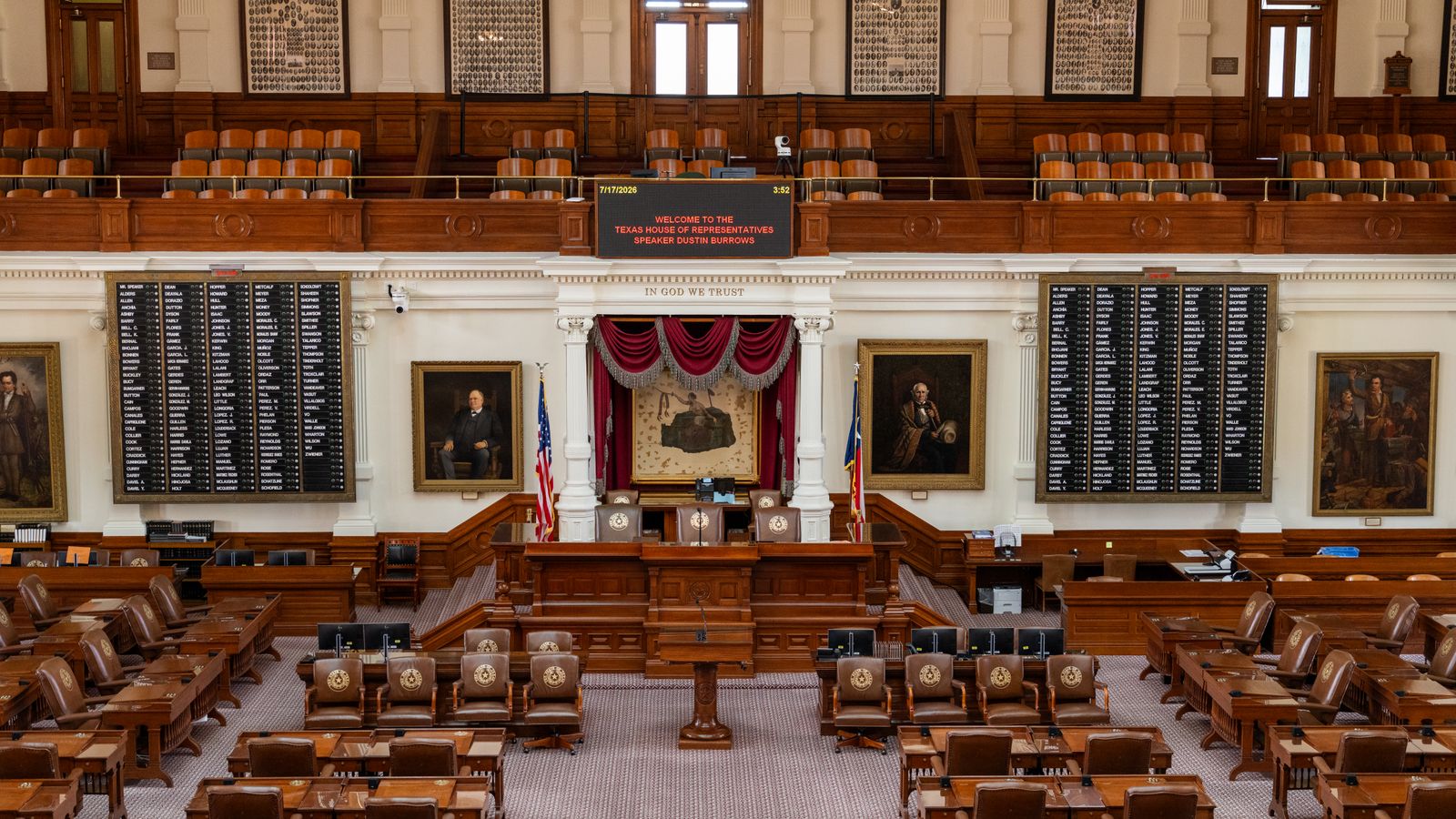
Op-Ed Urges Texas Lawmakers to Modernize Cannabis Law in 2027
A Marijuana Moment op-ed presses Texas legislators to use the 2027 session to settle the state's unresolved hemp, THC and medical cannabis rules.
More from the newsroom

Highful Law Opens Glass House Brands Securities Probe After Auditor Exit
A plaintiffs' firm is examining Glass House's deconsolidation transaction and share price after the company's auditor resigned.

Hawaii Senator Says Rescheduling Could Open Hospitals to Medical Marijuana
A Hawaii state senator told The Marijuana Herald that federal rescheduling may remove the compliance barrier keeping hospitals from allowing patients to use medical cannabis on-site.

Himachal Pradesh Issues Two Cannabis Cultivation Licences for FY27
Himachal Pradesh has moved to allow legal cannabis cultivation, issuing two licences for FY27, though the public record behind the licences remains thin.