Hawaii Senator Says Rescheduling Could Open Hospitals to Medical Marijuana
A Hawaii state senator told The Marijuana Herald that federal rescheduling may remove the compliance barrier keeping hospitals from allowing patients to use medical cannabis on-site.

A nurse in a hospital setting adjusts an IV drip for a patient lying in bed, showcasing medical care.
A Hawaii lawmaker links hospital access to the federal schedule
The senator's argument rests on a single legal premise: Schedule I status, not state law, is what keeps hospitals from accommodating medical cannabis patients.
The Marijuana Herald reported that a Hawaii state senator said federal rescheduling may clear the way for hospitals to permit medical marijuana use by patients. The senator treats the federal classification as the operative obstacle. Hawaii's own medical program is largely beside the point once a patient crosses a hospital threshold.
What we have is a headline and a short syndication snippet. It doesn't supply the senator's full remarks, a bill number, or a legislative timeline. We haven't independently confirmed the senator's name or any proposed Hawaii measure, and we're not guessing at either.
Why hospitals say no today
Hospitals that accept Medicare and Medicaid dollars treat any on-site Schedule I substance as a federal funding risk.
Hawaii has run a state medical cannabis program since 2000, making it one of the earliest in the country. Registered patients can buy and possess product legally under state law. Admit that same patient to a hospital, though, and the calculus flips.
Most hospital systems depend on federal reimbursement and hold accreditation tied to federal conditions of participation. Staff who handle or store a Schedule I product can create exposure under the Controlled Substances Act. So the default is blunt. Patients leave their cannabis at home, or go without. That's a real gap for people managing chronic pain, chemotherapy nausea, or seizure disorders who rely on cannabis and then land in an inpatient bed.
What rescheduling would and wouldn't change
Moving marijuana to Schedule III would loosen the federal posture but would not by itself authorize hospitals to dispense or store state-licensed cannabis.
Here's the part the headline compresses. Schedule III substances have recognized medical use and a lower abuse-potential finding, which weakens the most severe federal framing. It doesn't convert dispensary product into an FDA-approved drug. Hospitals would still face questions about sourcing, storage, chain of custody, and who legally administers a substance that isn't a prescription medication.
Read the senator's claim generously and rescheduling removes the worst-case federal risk, giving hospital counsel room to write policy. Read it strictly and it's a necessary condition, not a sufficient one. The word "may" in the headline is doing honest work.
The operational hurdles hospitals would still face
Even with a lower schedule, hospital pharmacies and risk managers would need new protocols before a single patient could legally use cannabis bedside.
Joint Commission accreditation standards, state pharmacy rules, and insurer requirements all sit downstream of the federal schedule. Each would need to be read against a rescheduled substance. Smoking and vaping are almost certainly off the table in any facility with oxygen systems and clean-air obligations. The realistic discussion centers on oils, capsules, and tinctures.
Staff training is another variable nobody can model yet. Nurses would need clear guidance on whether they may handle a patient's own supply or must stay hands-off.
The senator's point, paraphrased, is that the federal schedule is the load-bearing wall: take it down and state-level hospital policy becomes possible rather than automatic.
Where the federal rescheduling process stands
The signal date of November 19, 2026 places this comment inside an ongoing, unresolved federal rescheduling process.
The DEA's rescheduling effort has moved in fits and starts, and the signal doesn't tell us the current procedural posture. We aren't asserting a final rule status because the source material doesn't establish one. For the full timeline and filing history, see the CannIntel topic hub on DEA marijuana rescheduling.
What the Hawaii comment shows is how rescheduling is being argued downstream. Advocates and lawmakers are already mapping second-order effects, from banking to research to, now, inpatient care.
Who is hurt or helped
The people with the most to gain are inpatients who already hold a valid state medical card and are forced to choose between treatment continuity and hospital rules.
For patients, a policy shift would end an awkward split-screen reality: legal at home, banned down the hall. Hospitals get liability questions they'd rather answer on paper than at a bedside. For Hawaii's licensed dispensaries, hospital access is a modest but symbolically large new channel.
I'd call the senator's framing directionally sound and operationally incomplete. Rescheduling opens the door. Someone still has to write the rules for walking through it.
Methodology note and verdict
This piece rests on one syndicated headline and snippet, so the claims above are limited to what that signal supports.
Our review covered the single available item, with no independent confirmation of the senator's identity, no bill text, and no hospital-system response. Treat the legal analysis as context, not as a statement of Hawaii law. Verdict: a credible argument with real gaps, worth tracking but not yet actionable for operators or patients.
Watch next for whether Hawaii's legislature or any hospital association puts concrete policy language on paper once the federal schedule settles.
For complete background, history, and our ongoing coverage of this story:
Open the CannIntel topic hub →Frequently asked questions
Can Hawaii hospitals allow medical marijuana use today?
Generally no. Although Hawaii has a state medical cannabis program, hospitals that depend on federal funding treat marijuana as a Schedule I substance and typically prohibit on-site use to avoid federal compliance risk.
Would rescheduling marijuana automatically let hospitals allow it?
Not automatically. Moving cannabis to Schedule III would ease the federal posture, but hospitals would still need protocols for sourcing, storage, administration, and accreditation before permitting patient use.
Why does federal law affect hospital policy more than state law?
Most hospitals accept Medicare and Medicaid payments and follow federal conditions of participation. Handling a federally controlled substance on premises can create exposure under the Controlled Substances Act, regardless of state legality.
What forms of cannabis would hospitals most likely permit?
Likely non-smoked forms such as oils, capsules, and tinctures. Smoking and vaping are improbable in facilities with oxygen systems and clean-air requirements, though no hospital policy has been confirmed in the source.
Sources
The cannabis newsletter you forward to your team.
Federal policy, market data, grower alerts, and the one story that matters today. Sent every weekday at 7am. Free.
No spam. Unsubscribe with one click. 21+ only.
Related from Medical

Study Finds CBD Oil Gave Youths With Intellectual Disability No Behavioral Benefit
A study reported by Medical Xpress found no behavioral improvement from CBD oil in youths with intellectual disability, a population often targeted by cannabinoid marketing.

Texas Original Opens Same-Day Access at Fort Worth Dispensary
The Tarrant County location now serves Texas Compassionate Use Program patients without a wait, according to Cannabis Business Times.
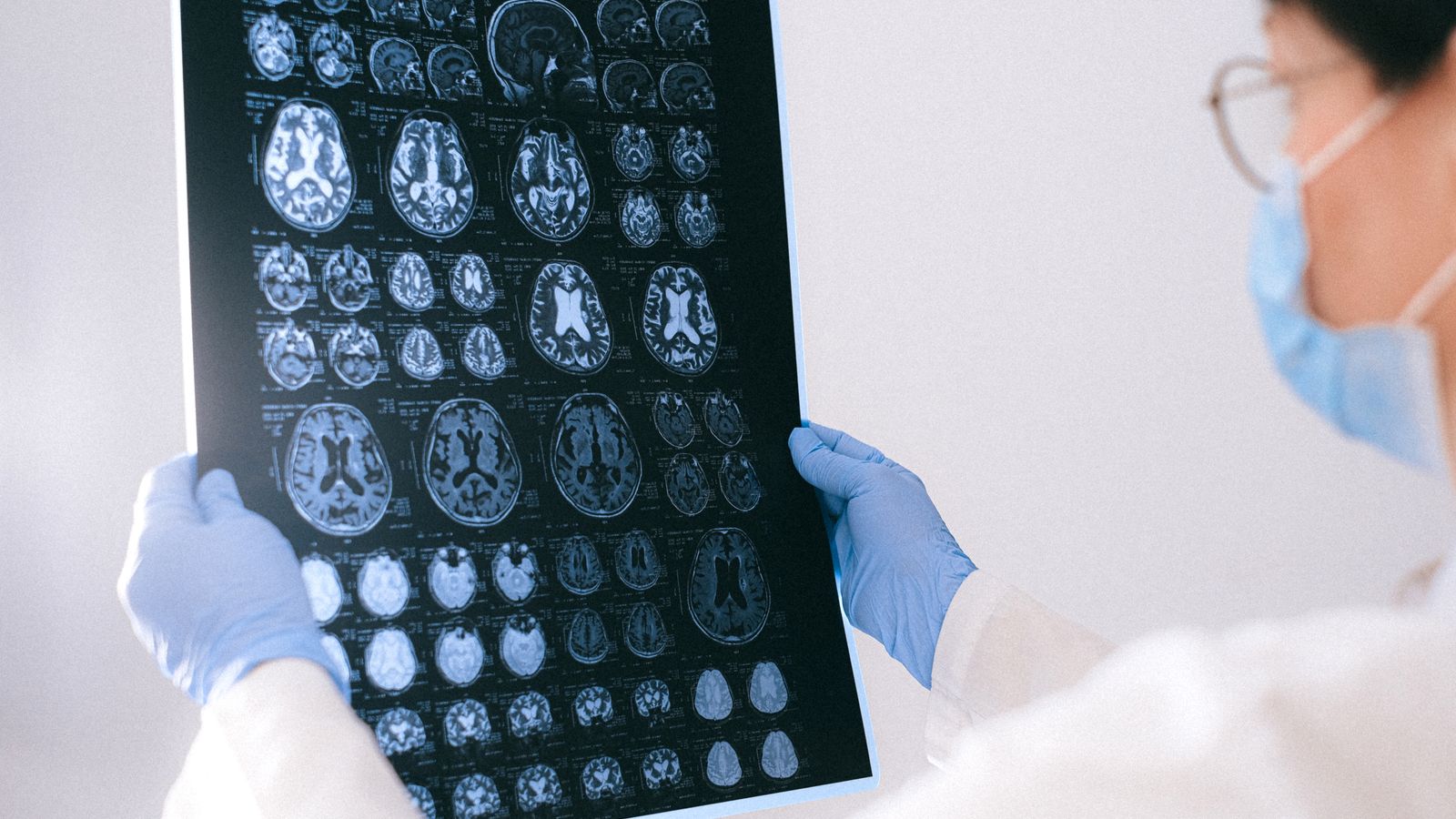
Report Links Cannabis Use to Earlier Psychosis Onset
A SciTechDaily report on new research connects cannabis use with earlier-onset psychosis, sharpening the debate over age limits and potency rules in legal markets.
More from the newsroom

Himachal Pradesh Issues Two Cannabis Cultivation Licences for FY27
Himachal Pradesh has moved to allow legal cannabis cultivation, issuing two licences for FY27, though the public record behind the licences remains thin.

Medical Marijuana Firms Sue DEA Over Rescheduling Restrictions
A federal lawsuit challenges conditions the DEA attached to rescheduling-related protections, putting licensed medical cannabis operators and the agency on a collision course in court.

Indiana's New Secretary of State Backs Voter Marijuana Referendum
Indiana's incoming secretary of state says residents should decide marijuana legalization at the ballot box, but the state has no initiative process to put it there.