Report Links Cannabis Use to Earlier Psychosis Onset
A SciTechDaily report on new research connects cannabis use with earlier-onset psychosis, sharpening the debate over age limits and potency rules in legal markets.
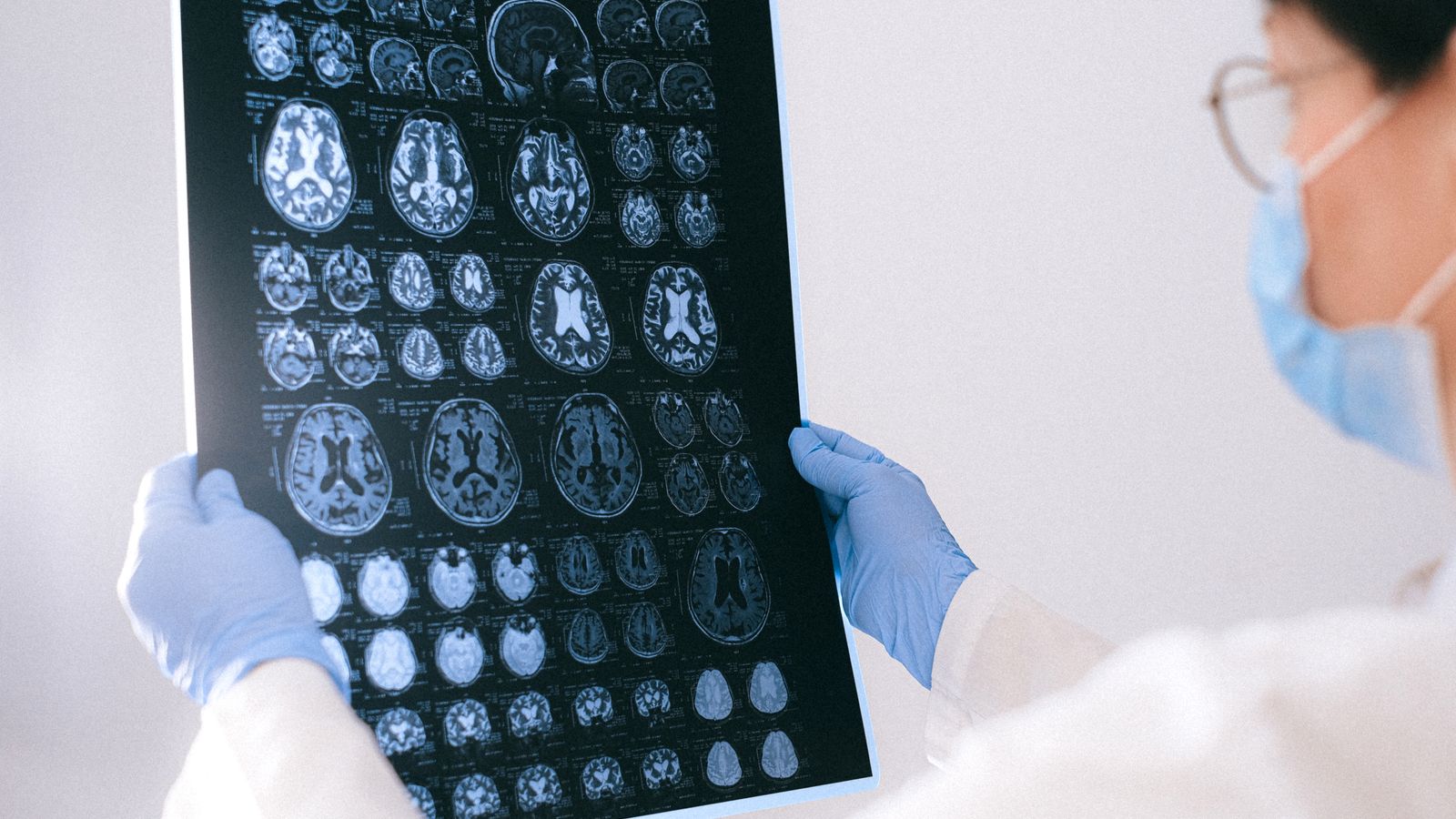
A medical professional reviewing MRI brain scans in a clinical setting, highlighting healthcare technology.
What the report says, and what we can't yet verify
SciTechDaily's November 17 report describes research connecting cannabis use with an earlier age of psychosis onset. The headline calls the link "disturbing." That's the outlet's framing, not a regulator's.
The signal CannIntel reviewed contains only the headline and a link. No authors, no journal, no sample size, effect size, or design. We aren't going to guess at any of them.
That gap matters. Observational psychosis research has a long-running problem: separating cause from correlation. People predisposed to psychosis may use cannabis more, and earlier onset can look like a drug effect when it's partly a risk-selection effect. Until the paper is in hand, treat the finding as a signal, not a verdict.
Still unconfirmed: whether the work is a cohort study, a meta-analysis, or a registry analysis. Each carries different weight.
Why the regulatory read-through crosses borders
Any credible evidence tying cannabis to earlier psychosis lands directly on the policy levers regulators already control: age gates, potency, and labeling. That makes this a story for compliance teams, not just clinicians.
The regimes most exposed differ sharply in design:
- Canada: Health Canada's framework sets 18 or 19 as the minimum purchase age depending on province, and the statutory review of the Cannabis Act has already put youth and mental-health harms on the agenda.
- Germany: The 2024 adult-use law set 18 as the floor for personal possession and cultivation, with stricter THC limits for adults under 21. If earlier-onset findings hold up, that age-tiered design is the model most directly vindicated.
- United States: Age 21 is standard in adult-use states, but potency caps are rare. Most state markets sell high-THC flower and concentrates with little legal ceiling.
- Medical programs: The BfArM-supervised prescribing channel in Germany and equivalent systems elsewhere treat cannabis as a clinician-managed therapy, which gives them a built-in screening mechanism that retail markets lack.
The INCB, which monitors the UN drug conventions, has repeatedly flagged potency and youth exposure in legalizing jurisdictions. New psychosis data hands it fresh material for its next annual report.
What operators and investors should watch
The commercial exposure runs through potency, because high-THC products are where the risk signal is usually strongest in the existing literature. A new headline doesn't change the science by itself. It changes the politics.
For licensed producers and MSOs, the practical questions are narrow:
- Does the underlying paper isolate high-potency use or daily use? Most prior work points that direction, and a potency finding would hit concentrates and vapes hardest.
- Do any regulators open a consultation? Health Canada, Germany's federal health ministry, and U.S. state agencies are the likeliest first movers.
- Do medical-cannabis rules for under-25 patients get revisited? Prescribers already treat psychosis history as a contraindication, and earlier-onset data could widen that caution.
None of this is a surprise. The potency-and-psychosis connection has been building in the literature for years, and the policy conversation has been catching up slowly. One report won't force a rule change. A stack of them might.
For the research and policy backdrop, see the CannIntel topic hub on cannabis and psychosis research. Operators in Canada and Germany should check their compliance calendars first, since both countries have review mechanisms already in motion.
Next up: the study itself. Once authors, journal, and methodology are public, CannIntel will update this story with the numbers.
Frequently asked questions
What did the new cannabis and psychosis research find?
SciTechDaily reported on November 17, 2026 that research links cannabis use to earlier onset of psychosis. The signal available to CannIntel did not include the study's authors, journal, or methodology, so effect size and design are unconfirmed.
Does this prove cannabis causes psychosis?
No. Observational findings can reflect correlation, since people already at risk for psychosis may use cannabis more. Establishing causation requires study designs that control for pre-existing risk, which has not been verified for this report.
Which countries could change cannabis rules in response?
Jurisdictions with active reviews are likeliest to act first, including Canada under its Cannabis Act review and Germany, whose adult-use law already applies stricter THC limits to adults under 21. U.S. states with no potency caps are also exposed.
How would this affect cannabis companies?
The main exposure is high-THC products if the research ties risk to potency. Possible outcomes include potency caps, stronger warning labels, and tighter age rules, all of which affect product mix and compliance costs.
Sources
The cannabis newsletter you forward to your team.
Federal policy, market data, grower alerts, and the one story that matters today. Sent every weekday at 7am. Free.
No spam. Unsubscribe with one click. 21+ only.
Related from Medical
Report Says Indica, Sativa Labels Are Unreliable Guides to Effects
A Nov. 17 leafie piece argues the indica/sativa split doesn't predict how cannabis feels, pushing chemistry-based buying over shelf-label shorthand.

Congress Schedules Hearing on Psychedelic Therapy for Veterans
A congressional hearing this week will examine psychedelic-assisted therapy for military veterans, according to Marijuana Moment, putting federal research and access policy in front of lawmakers.

Oregon Sets Public Hearing on Hospice, Palliative Cannabis Access
A hearing set for Monday could widen medical marijuana access for terminally ill Oregonians, a question regulators in Germany and Canada have already had to answer.
More from the newsroom

White House Fields Questions on Cannabis Rescheduling Status
A GreenState report says the Trump administration responded to rescheduling inquiries, but the public record still lacks a final DEA rule moving cannabis out of Schedule I.

Georgia Gets First-of-Its-Kind Medical Cannabis Shipping Service
A new logistics offering aimed at Georgia's medical cannabis program could change how low-THC oil reaches patients, but key operating details are still unconfirmed.

Dasheeda Dawson: Blue Wave Won't Fix Cannabis Equity
In a Marijuana Moment op-ed after the 2026 midterms, Dasheeda Dawson argues that Democratic wins won't deliver equity without a new operating model.