Congress Schedules Hearing on Psychedelic Therapy for Veterans
A congressional hearing this week will examine psychedelic-assisted therapy for military veterans, according to Marijuana Moment, putting federal research and access policy in front of lawmakers.

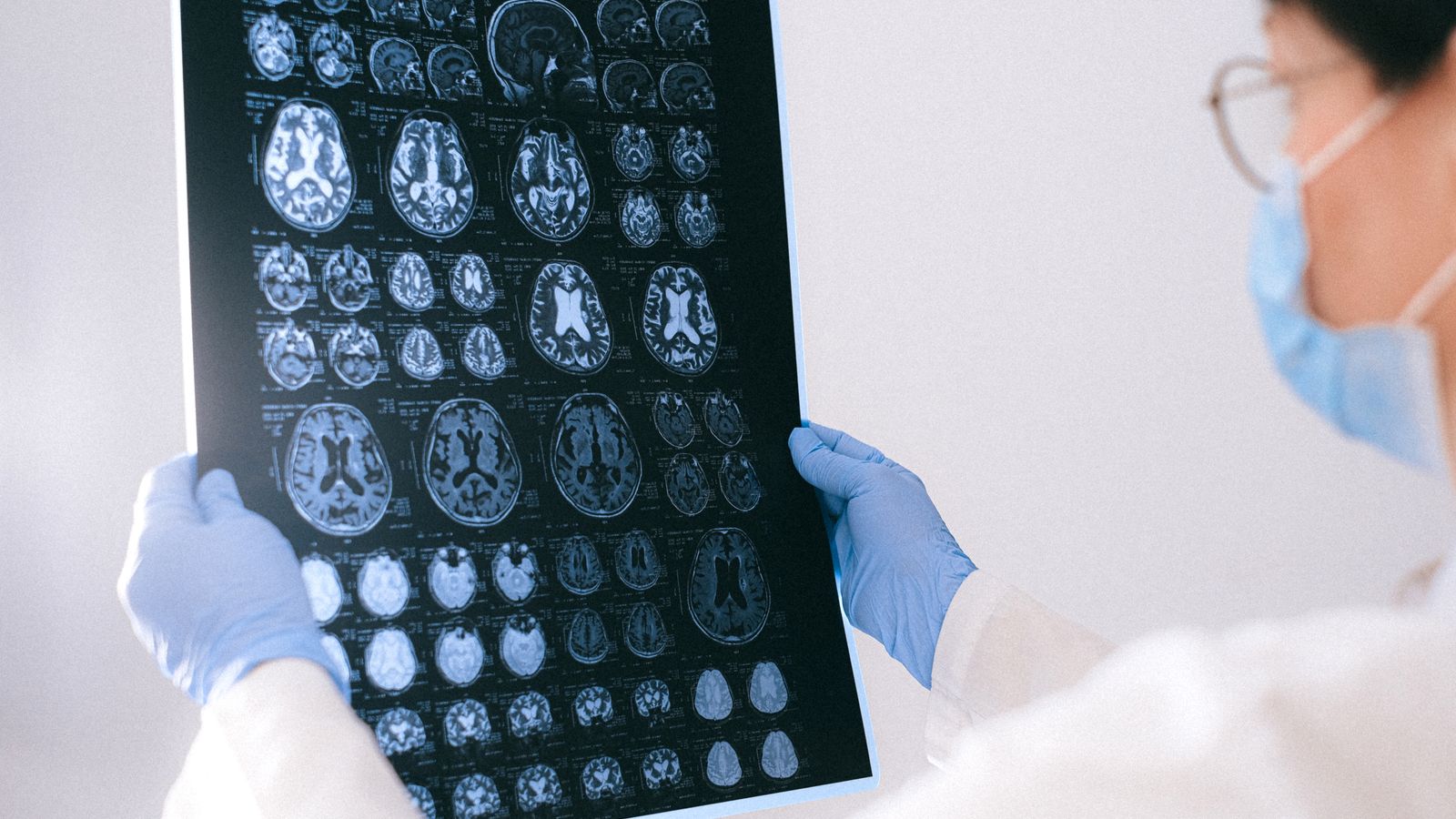
A therapy session for military veterans focusing on mental health and PTSD support.
Hearing Targets Psychedelic Therapy for Veterans
Congress will convene a hearing this week centered on psychedelic-assisted therapy for military veterans, according to Marijuana Moment, which reported the schedule on Nov. 17, 2026.
Key details are still missing. The signal data doesn't identify the committee, the chair, the witness list, or the hearing date and time, so those should be confirmed against the committee's published notice before the session. CannIntel will update this report when the notice is verified.
Federal Scheduling Remains the Core Constraint
Psilocybin, MDMA, and LSD remain Schedule I controlled substances under 21 U.S.C. § 812, which limits clinical research to DEA-registered investigators.
That classification is the backdrop for any federal discussion of veteran access. Schedule I status means the government has deemed these substances to have a high abuse potential and no accepted medical use. Researchers need DEA registration and a protocol cleared by the FDA to study them.
Veterans' groups have pressed for expanded trials, citing PTSD and treatment-resistant depression. Whether this hearing produces legislation or stays an informational session isn't yet clear from the available reporting.
What the Hearing Could Move
A hearing is a procedural step, not a policy change, and it creates no new legal authority on its own.
Hearings establish a record. That record can support bill text, report language in appropriations measures, or oversight letters to the Department of Veterans Affairs and the FDA. None of those outcomes follows automatically.
The more concrete question is whether members tie the testimony to a vehicle. Appropriations riders and defense authorization amendments have historically carried psychedelic research language, and a hearing this week would give sponsors a fresh record to cite when drafting them.
States Have Already Moved Ahead
Several states have funded or authorized psychedelic programs for veterans, creating a patchwork that federal lawmakers are now being asked to reconcile.
Texas, for instance, has directed money toward ibogaine research aimed at veterans. Colorado and Oregon run regulated psilocybin frameworks under state law, though federal prohibition still applies. That gap between state action and federal scheduling is what keeps these hearings relevant.
For operators and clinics, the exposure is real. State authorization doesn't shield anyone from federal enforcement. VA facilities can't offer Schedule I therapies outside approved research.
What to Watch
The signals to track are the committee notice, the witness list, and any bill introduced within weeks of the session.
For full background on this story, see the CannIntel topic hub on psychedelic therapy for veterans. Watch whether the Department of Veterans Affairs sends a witness, and whether FDA or DEA officials are asked to address registration timelines for researchers.
Next up: any follow-on legislative text. Without it, this stays a record-building exercise.
Frequently asked questions
What is Congress examining at this week's hearing?
Congress is holding a hearing focused on psychedelic therapy for military veterans, according to Marijuana Moment. Committee, witnesses, and exact timing were not included in the available signal and should be confirmed against the official notice.
Are psychedelics legal for veterans at the federal level?
No. Psilocybin, MDMA, and LSD are Schedule I under 21 U.S.C. § 812. Access is limited to DEA-registered research conducted under FDA-cleared protocols, and VA facilities cannot offer them outside approved studies.
Will the hearing change federal law?
Not directly. A hearing builds a record that can support bills, appropriations language, or oversight requests. Any legal change would require separate legislative or regulatory action.
Why do state programs matter to this federal discussion?
States like Texas, Colorado, and Oregon have funded or authorized psychedelic programs, but federal prohibition still applies. The gap between state action and federal scheduling is what drives congressional interest.
Sources
The cannabis newsletter you forward to your team.
Federal policy, market data, grower alerts, and the one story that matters today. Sent every weekday at 7am. Free.
No spam. Unsubscribe with one click. 21+ only.
Related from Medical
Report Links Cannabis Use to Earlier Psychosis Onset
A SciTechDaily report on new research connects cannabis use with earlier-onset psychosis, sharpening the debate over age limits and potency rules in legal markets.

Report Says Indica, Sativa Labels Are Unreliable Guides to Effects
A Nov. 17 leafie piece argues the indica/sativa split doesn't predict how cannabis feels, pushing chemistry-based buying over shelf-label shorthand.

Oregon Sets Public Hearing on Hospice, Palliative Cannabis Access
A hearing set for Monday could widen medical marijuana access for terminally ill Oregonians, a question regulators in Germany and Canada have already had to answer.
More from the newsroom

Royalton voters approve retail cannabis sales in local vote
Voters in the Vermont town of Royalton cleared the way for licensed cannabis retail, adding another municipality to the state's opt-in market.

White House Fields Questions on Cannabis Rescheduling Status
A GreenState report says the Trump administration responded to rescheduling inquiries, but the public record still lacks a final DEA rule moving cannabis out of Schedule I.

Georgia Gets First-of-Its-Kind Medical Cannabis Shipping Service
A new logistics offering aimed at Georgia's medical cannabis program could change how low-THC oil reaches patients, but key operating details are still unconfirmed.