White House Fields Questions on Cannabis Rescheduling Status
A GreenState report says the Trump administration responded to rescheduling inquiries, but the public record still lacks a final DEA rule moving cannabis out of Schedule I.

The White House South Portico with a fountain on a sunny day in Washington, DC.
What the record shows on November 17
The only confirmed fact is that GreenState reported an administration response to rescheduling questions on Nov. 17, 2026; the signal does not include the response itself.
The item surfaced through a Google News feed pulling from the GreenState site. It carries a headline and a timestamp. It doesn't carry a named official, a quote, a document number or a statement of policy.
That gap matters. A response to questions isn't a rule, and it isn't a signing. Until the text is in hand, treat the headline as a marker that the topic is live, not as a policy change.
The procedural baseline: what 'rescheduling' actually requires
Moving cannabis to Schedule III requires a final rule published by the DEA, not a statement from the White House.
The path runs through the Controlled Substances Act and the Administrative Procedure Act. The Department of Health and Human Services recommended the move in 2023. The DEA then issued a proposed rule, and an administrative hearing before an ALJ was part of the process.
Each step leaves a paper trail. Federal Register notices, docket entries and ALJ orders can all be checked. A verbal response to reporters leaves nothing of the kind. That's why this story needs a document before it needs a conclusion.
What a final rule would change for operators
Schedule III placement would, in theory, take cannabis businesses out from under 280E, the tax provision that bars deductions for trafficking in Schedule I and II substances.
That's the financial prize. MSOs have carried effective tax rates far above ordinary businesses because of 280E, and relief would hit balance sheets directly.
Other effects are less clean:
- State-licensed sales stay illegal under federal law unless Congress acts separately, since Schedule III drugs still require FDA approval or DEA registration.
- Banking access is not automatically fixed. Financial institutions would still read federal risk through state-licensed operations.
- Interstate commerce remains barred. Rescheduling doesn't create a federal market.
Why the response itself is the wrong thing to trade on
Statements to the press have repeatedly run ahead of Federal Register action in this process.
Rescheduling has been announced, anticipated and delayed more than once, and investors and operators who price in relief on a headline carry the risk when the docket stays quiet. That math is hard to defend.
The responsible read is narrow. Something was said. The Federal Register will show whether anything was done.
What we could not verify
CannIntel could not confirm who spoke for the administration, what was said, or whether the response referenced a rule, an executive order or a timeline.
The signal contains no named official and no document. We haven't seen a DEA docket update tied to the Nov. 17 date. Without those, any claim about the administration's position would be speculation.
We'll update this article if the underlying GreenState report or a primary document supplies those details.
The document trail to check
Four primary sources will settle the question faster than any secondary report.
- The Federal Register, for any DEA final rule or notice on marijuana scheduling.
- The DEA rulemaking docket, for ALJ orders and filings.
- White House briefing transcripts and any executive actions dated Nov. 17.
- HHS and FDA statements on the 2023 scheduling recommendation.
For full background on the legal and procedural history, see the CannIntel topic hub on DEA cannabis rescheduling. Operators in California, where the DCC oversees licensees, and in states such as Ohio and New York should watch for 280E guidance from the IRS once a rule exists.
What to watch next
The signal that matters is a Federal Register publication, not another round of statements.
Watch the DEA docket for a final rule and an effective date. Then watch for IRS guidance on 280E treatment once a rule takes effect. Until one of those lands, operators should model rescheduling as pending, not done.
For complete background, history, and our ongoing coverage of this story:
Open the CannIntel topic hub →Frequently asked questions
Has cannabis been rescheduled to Schedule III?
CannIntel could not confirm a final DEA rule on the available record. Rescheduling requires publication in the Federal Register. A response to questions, as reported by GreenState on Nov. 17, 2026, is not a final rule.
What would Schedule III mean for 280E?
Section 280E denies business deductions for trafficking in Schedule I and II substances. Moving cannabis to Schedule III would, in theory, remove that bar, though IRS guidance would shape how relief applies.
Would rescheduling make state-licensed dispensaries federally legal?
No. Schedule III substances still require FDA approval or DEA registration. State-licensed cannabis sales would remain outside federal law unless Congress passes separate legislation.
Where can I verify rescheduling status?
Check the Federal Register for DEA final rules, the DEA rulemaking docket for ALJ filings, and White House transcripts for any executive action. Those primary sources outrank secondary reports.
Sources
The cannabis newsletter you forward to your team.
Federal policy, market data, grower alerts, and the one story that matters today. Sent every weekday at 7am. Free.
No spam. Unsubscribe with one click. 21+ only.
Related from Laws
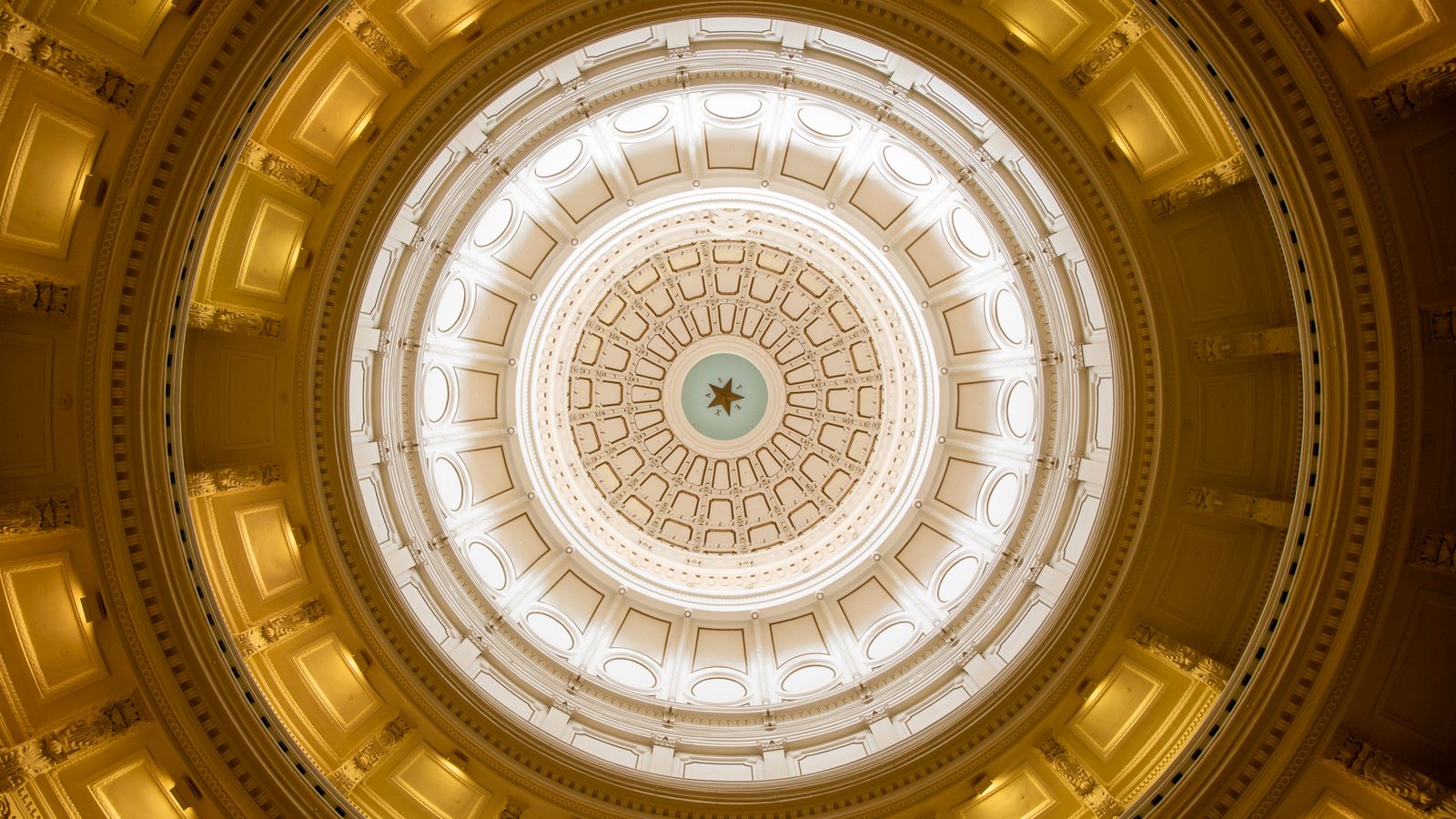
Texas lawmakers revisit marijuana and hemp regulation
Texas Standard flagged renewed legislative attention to marijuana and hemp rules in Texas, a market where the delta-9 versus total-THC definition still drives enforcement.

nuEra Cannabis Prepares as Illinois Hemp THC Ban Nears Nov. 12
Illinois-based operator nuEra says it is ready for the November 12 hemp restrictions that push intoxicating THC beverages into licensed dispensaries.

Texas Lawmakers Pre-File Adult-Use Cannabis Bills for 2027 Session
Pre-filing opens the legislative runway months early, setting up another test of Texas's resistance to adult-use legalization.
More from the newsroom

Georgia Gets First-of-Its-Kind Medical Cannabis Shipping Service
A new logistics offering aimed at Georgia's medical cannabis program could change how low-THC oil reaches patients, but key operating details are still unconfirmed.

Report Links Cannabis Use to Earlier Psychosis Onset
A SciTechDaily report on new research connects cannabis use with earlier-onset psychosis, sharpening the debate over age limits and potency rules in legal markets.

Dasheeda Dawson: Blue Wave Won't Fix Cannabis Equity
In a Marijuana Moment op-ed after the 2026 midterms, Dasheeda Dawson argues that Democratic wins won't deliver equity without a new operating model.