Op-Ed Urges Texas Lawmakers to Modernize Cannabis Law in 2027
A Marijuana Moment op-ed presses Texas legislators to use the 2027 session to settle the state's unresolved hemp, THC and medical cannabis rules.
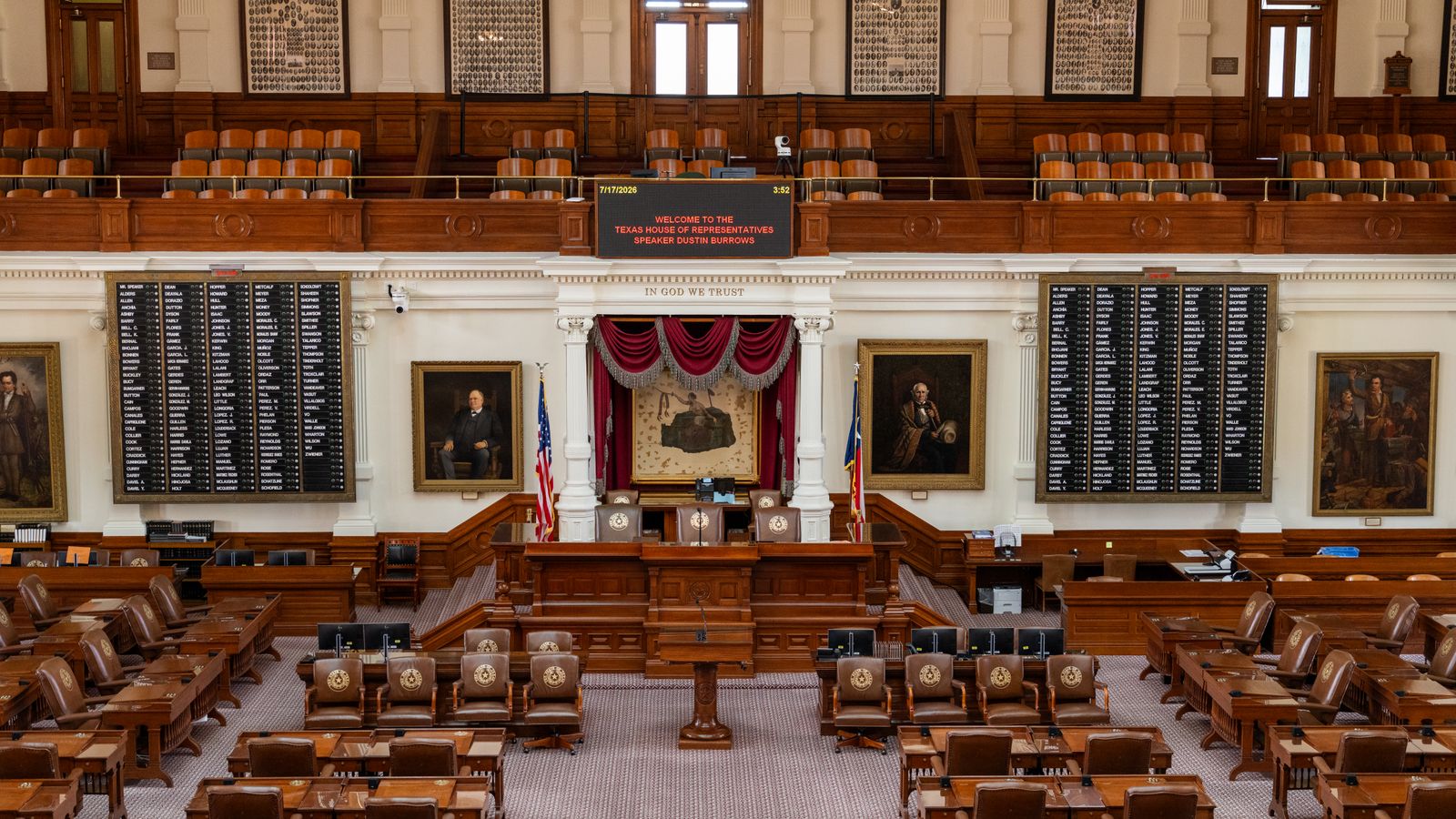
The Texas House of Representatives chamber, featuring legislative seats and historical portraits.
An opinion piece sets the 2027 agenda
The op-ed argues the 2027 session is a window Texas shouldn't waste, and it frames modernization as a legislative choice rather than something courts or agencies will settle.
The piece ran in Marijuana Moment on November 19, 2026 under the headline "Texas Lawmakers Should Not Miss The Chance To Modernize The State's Cannabis Laws In 2027." It's opinion, not reporting. All we have from the syndicated feed is the headline and publication details, so the author's specific policy proposals aren't reproduced here.
The timing is the news. Texas lawmakers meet in regular session every other year. Miss 2027, and the next full opportunity doesn't arrive until 2029.
Why the hemp question can't wait
Texas's central cannabis dispute is a chemistry problem as much as a political one: how the law counts THC in hemp products.
Federal hemp law, as written in the 2018 Farm Bill, defines legal hemp by a 0.3% delta-9 THC threshold on a dry-weight basis. That wording is the loophole. It says nothing explicit about total THC, which includes THCA, the acidic precursor that converts to delta-9 THC when heated. Decarboxylation is the heat-driven step that happens when flower is smoked or vaped. It's exactly what turns a compliant-on-paper hemp bud into an intoxicating product.
Isomerization adds a second wrinkle. Cannabinoids such as delta-8 THC can be produced by converting CBD under acidic conditions, and the conversion ratios and byproducts vary by manufacturer. Neither route fits neatly into a statute drafted around delta-9 alone.
Delta-9 versus total THC is the fault line
Whether Texas regulates by delta-9 content or by total THC determines which products stay on shelves and which become contraband.
A delta-9-only standard leaves THCA flower and some converted cannabinoids in a gray zone. A total-THC standard, which accounts for THCA at a conversion factor, would pull much of that inventory out of the legal hemp market. States have gone both directions. That split is why retailers, testing labs and prosecutors read the same statute differently.
For operators, the practical stakes are lab methodology and labeling. A product that passes a delta-9 test and fails a total-THC test can be legal under one county's reading and a felony exposure under another's. Lawmakers can remove that inconsistency.
What modernization could mean in practice
The op-ed's call is broad, but the levers available to the legislature fall into a few concrete categories.
- Defining THC by a total-THC standard, delta-9 only, or a hybrid with explicit conversion rules
- Setting licensing, testing and age-verification requirements for hemp-derived consumables
- Revisiting the scope of the state's medical cannabis program
Each choice carries tradeoffs. Tighter definitions give regulators and law enforcement clear lines, but they risk shutting down a hemp retail sector that has built its inventory around the current ambiguity. Looser ones preserve the market and leave the enforcement patchwork intact. That tension isn't going away. A bill that ignores it will simply move the fight to the courts.
Medical cannabis expansion is the other recurring ask in Texas reform circles. The state's existing program is narrow compared with most others. Any 2027 bill that touches it would intersect with the hemp debate, since patients and retail buyers often shop the same products.
What to watch before the session opens
The signals that matter come before lawmakers gavel in: pre-filed bills, committee interim charges, and any enforcement guidance from state agencies.
Bill pre-filing typically opens in the months ahead of a regular session. The first drafts will show whether sponsors choose a total-THC definition or leave delta-9 intact. They'll tell operators more than any op-ed. For background on the state's reform trajectory, see the CannIntel topic hub on Texas cannabis law reform.
One caution on scope. An op-ed advocating reform isn't a legislative commitment, and nothing in the signal points to a specific bill, sponsor or committee action. The 2027 outcome is genuinely unsettled. Expect enforcement of hemp THC limits to keep varying by jurisdiction until the statute says otherwise.
We'll be watching the first pre-filed bills for one tell: whether sponsors write the THC definition around delta-9 or total THC.
Frequently asked questions
What is the Texas cannabis modernization op-ed about?
A Marijuana Moment op-ed published November 19, 2026 argues Texas lawmakers should use the 2027 legislative session to modernize the state's cannabis laws. It is an opinion piece, not a bill or agency action, and the signal doesn't detail specific proposals.
Why does delta-9 versus total THC matter for Texas hemp?
Federal hemp law sets a 0.3% delta-9 THC limit, which doesn't explicitly count THCA. Because THCA converts to delta-9 THC when heated, a product can pass a delta-9 test yet be intoxicating. A total-THC standard would restrict those products.
When does the next Texas legislative session start?
The op-ed refers to the 2027 session. Texas lawmakers meet in regular session every other year, so if reform isn't addressed in 2027, the next full regular opportunity would come in 2029.
What is decarboxylation and why is it relevant to THCA flower?
Decarboxylation is the heat-driven chemical step that converts THCA into delta-9 THC. It occurs when flower is smoked or vaped, which is why THCA flower can test as hemp on delta-9 yet deliver intoxicating effects.
Sources
The cannabis newsletter you forward to your team.
Federal policy, market data, grower alerts, and the one story that matters today. Sent every weekday at 7am. Free.
No spam. Unsubscribe with one click. 21+ only.
Related from Laws

Himachal Pradesh Issues Two Cannabis Cultivation Licences for FY27
Himachal Pradesh has moved to allow legal cannabis cultivation, issuing two licences for FY27, though the public record behind the licences remains thin.

Medical Marijuana Firms Sue DEA Over Rescheduling Restrictions
A federal lawsuit challenges conditions the DEA attached to rescheduling-related protections, putting licensed medical cannabis operators and the agency on a collision course in court.

Indiana's New Secretary of State Backs Voter Marijuana Referendum
Indiana's incoming secretary of state says residents should decide marijuana legalization at the ballot box, but the state has no initiative process to put it there.
More from the newsroom

Highful Law Opens Glass House Brands Securities Probe After Auditor Exit
A plaintiffs' firm is examining Glass House's deconsolidation transaction and share price after the company's auditor resigned.

Hawaii Senator Says Rescheduling Could Open Hospitals to Medical Marijuana
A Hawaii state senator told The Marijuana Herald that federal rescheduling may remove the compliance barrier keeping hospitals from allowing patients to use medical cannabis on-site.

Corning to vote on Sunday cannabis dispensary hours
A local vote in Steuben County will decide whether licensed dispensaries can open Sundays, a small test of how New York towns police retail hours.