House Democrats Nominate Jeffries for Speaker, a Descheduling Backer
Democrats picked Hakeem Jeffries, who supports ending federal cannabis prohibition and addressing racial disparities, as their Speaker nominee, setting up a floor vote that decides who controls cannabis legislation.

A frontal view of the iconic US Capitol Building in Washington D.C. under blue skies.
Democrats Put a Descheduling Supporter at the Top of the Ticket
House Democrats nominated Hakeem Jeffries, a public supporter of ending federal cannabis prohibition, as their candidate for Speaker.
Cannabis Business Times reported the nomination Nov. 19, 2026. According to that report, Jeffries backs ending federal prohibition, descheduling cannabis and addressing racial disparities tied to enforcement.
It's a specific policy stack, not a general nod to reform. Descheduling means removing cannabis from the Controlled Substances Act altogether. Rescheduling to Schedule III, the path the executive branch has pursued, would leave the plant inside the federal drug framework.
The Speaker Controls the Floor, Not Just the Vote Count
The cleanest read on this nomination is about agenda control: the Speaker decides which bills get floor time, and cannabis bills have rarely gotten it.
The House has passed cannabis legislation before. The MORE Act cleared the chamber in 2020 and again in 2022, both times under Democratic leadership. Neither version survived the Senate. The pattern holds: House passage is achievable when leadership wants it, and Senate passage is where bills die.
A Speaker who treats descheduling as a priority can schedule hearings, assign committee jurisdiction and decide whether a standalone bill or an appropriations rider carries the policy. One who doesn't can bury the same text in committee. The nominee's stated position matters because the job has real gatekeeping power.
A Nomination Is Not an Election
Jeffries still needs a majority of the full House on the floor, and the outcome depends on which party holds more seats when the new Congress organizes.
The signal confirms the nomination, not the result of any floor vote. The full chamber elects the Speaker, so the minority party's nominee can't take the gavel without a majority. Nothing in the source material tells us how that count will break.
So the honest framing is conditional. If Democrats control the chamber, a Speaker Jeffries would be a leader on record in favor of descheduling. If they don't, the nomination is a statement of party position and little more.
Descheduling Versus Rescheduling Is the Fault Line for Operators
Operators care about the distinction because only full descheduling would end the 280E tax penalty and open interstate commerce, while Schedule III would leave key structural problems in place.
Section 280E of the tax code bars businesses that traffic in Schedule I or II substances from deducting ordinary expenses. Moving cannabis to Schedule III would lift 280E. It wouldn't, on its own, create a legal interstate market or fix banking access.
Descheduling goes further. It would pull cannabis out of the federal controlled-substance schedules and shift the regulatory question to Congress and the states. Jeffries' reported support for descheduling puts him on the more expansive side of that debate, and for multistate operators carrying heavy tax liabilities, the gap between the two paths is worth real money.
The Social Equity Language Is the Harder Part to Pass
Jeffries' reported emphasis on racial disparities signals he would back descheduling paired with reinvestment and expungement provisions, which historically split the coalition.
Equity provisions made earlier House bills hard to move through the Senate. Descheduling alone can draw support from members focused on states' rights and tax relief. Add expungement, community reinvestment and resentencing, and the vote math changes.
That tension is the real legislative question. A leader who insists on equity language may produce a stronger bill and a smaller coalition. The source doesn't say how Jeffries would sequence those priorities, and any claim about his floor strategy would be guesswork.
What the Signal Doesn't Tell Us
The report confirms Jeffries' policy positions and the nomination but does not describe a legislative timeline, a specific bill vehicle or a Senate path.
No bill number is attached. No committee schedule, no whip count. Anyone treating this as a forecast for passage is reading beyond the evidence. What the nomination establishes is narrower: the likely Democratic leader of the House is publicly aligned with the most aggressive version of federal reform.
For lobbyists and investors modeling 2027 policy risk, that's a meaningful data point. It isn't a catalyst for repricing on its own. For full background on the federal reform fight, see the CannIntel topic hub on federal cannabis legalization.
How This Fits the Wider Federal Picture
The nomination lands while the DEA rescheduling process and congressional banking proposals such as the SAFER Banking Act remain the more concrete federal tracks.
Congress has debated SAFER Banking repeatedly without enactment, and rescheduling has run through the DEA and the Department of Justice rather than the House. A Speaker sympathetic to descheduling doesn't override those processes. He adds a third lane that could run alongside them.
The Senate remains the binding constraint, as it has been through every prior attempt. Leadership in one chamber can move a bill but can't force the other to take it up. That math is hard to argue with.
Watch the floor vote on the Speakership itself next. After that, the first committee assignments and any early cannabis hearing notices will show whether a descheduling bill is a priority or a talking point.
For complete background, history, and our ongoing coverage of this story:
Open the CannIntel topic hub →Frequently asked questions
Who did House Democrats nominate for Speaker?
House Democrats nominated Hakeem Jeffries, the Democratic Leader, as their candidate for Speaker, according to Cannabis Business Times on Nov. 19, 2026. The report says he supports ending federal cannabis prohibition, descheduling and addressing racial disparities.
Does the nomination mean cannabis will be federally descheduled?
No. A nomination is not an election, and the Speaker still needs a full-House majority. Even with Democratic control, descheduling would need Senate passage and a presidential signature. The source reports a policy position, not a legislative timeline or bill.
What is the difference between descheduling and rescheduling cannabis?
Descheduling removes cannabis from the Controlled Substances Act entirely. Rescheduling moves it to a lower schedule, such as Schedule III, keeping it under federal drug law. Rescheduling would lift 280E but not create legal interstate commerce.
Why does the House Speaker matter for cannabis legislation?
The Speaker controls floor scheduling and committee direction. The House passed the MORE Act in 2020 and 2022 under Democratic leadership, but the Senate never acted. A sympathetic Speaker can bring bills to a vote; an opposed one can keep them in committee.
Sources
The cannabis newsletter you forward to your team.
Federal policy, market data, grower alerts, and the one story that matters today. Sent every weekday at 7am. Free.
No spam. Unsubscribe with one click. 21+ only.
Related from Laws
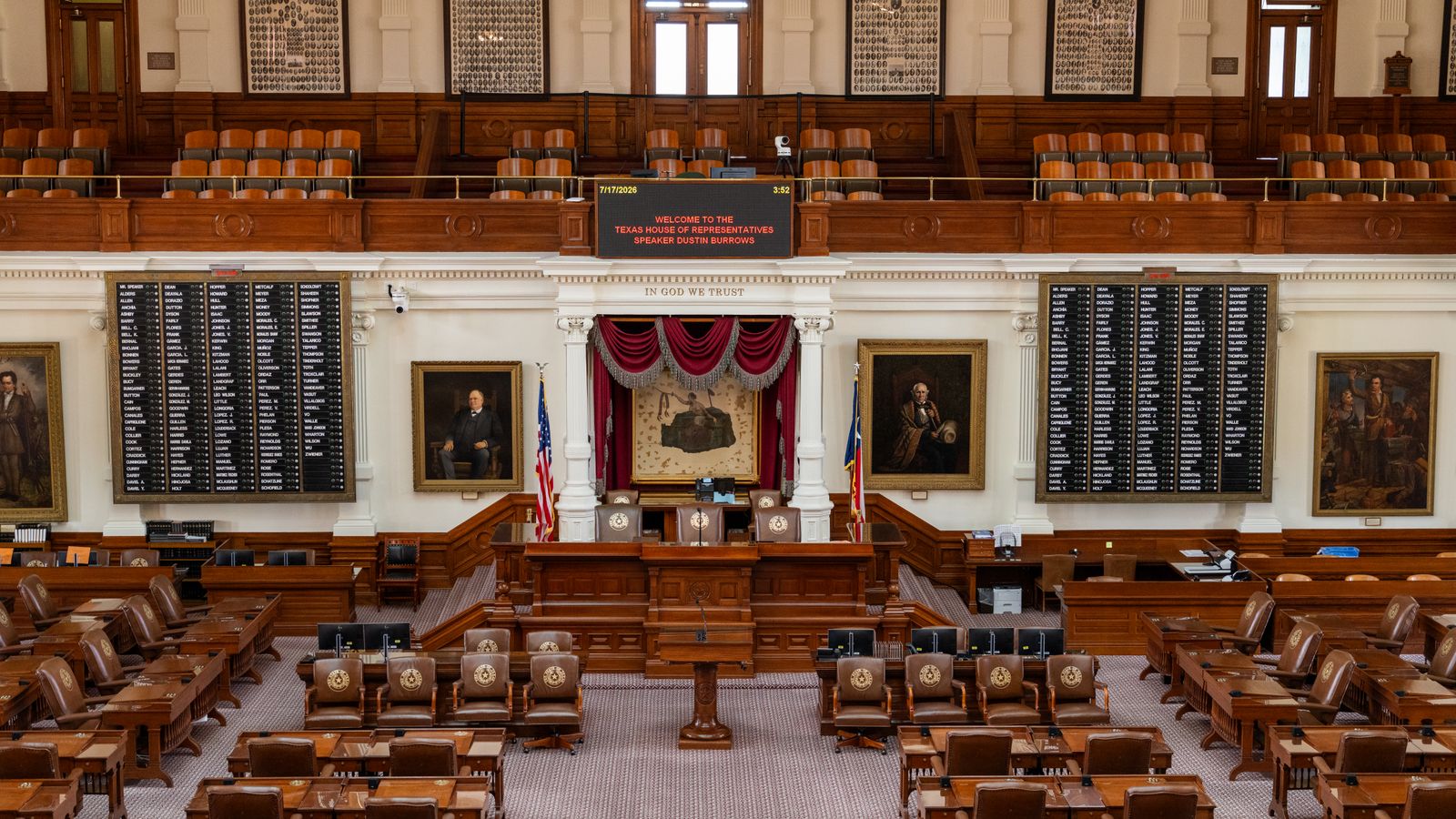
Op-Ed Urges Texas Lawmakers to Modernize Cannabis Law in 2027
A Marijuana Moment op-ed presses Texas legislators to use the 2027 session to settle the state's unresolved hemp, THC and medical cannabis rules.

Himachal Pradesh Issues Two Cannabis Cultivation Licences for FY27
Himachal Pradesh has moved to allow legal cannabis cultivation, issuing two licences for FY27, though the public record behind the licences remains thin.

Medical Marijuana Firms Sue DEA Over Rescheduling Restrictions
A federal lawsuit challenges conditions the DEA attached to rescheduling-related protections, putting licensed medical cannabis operators and the agency on a collision course in court.
More from the newsroom

Highful Law Opens Glass House Brands Securities Probe After Auditor Exit
A plaintiffs' firm is examining Glass House's deconsolidation transaction and share price after the company's auditor resigned.

Hawaii Senator Says Rescheduling Could Open Hospitals to Medical Marijuana
A Hawaii state senator told The Marijuana Herald that federal rescheduling may remove the compliance barrier keeping hospitals from allowing patients to use medical cannabis on-site.

Indiana's New Secretary of State Backs Voter Marijuana Referendum
Indiana's incoming secretary of state says residents should decide marijuana legalization at the ballot box, but the state has no initiative process to put it there.