Massachusetts recriminalization campaign outspends defenders 10-to-1
A ballot initiative to criminalize adult-use cannabis sales has raised $2.3 million while the opposition has mustered just $230,000.

I Voted stickers with an American flag design and Voting Day sign symbolize U.S. electoral participation.
The Funding Gap
The pro-recriminalization campaign has amassed $2.3 million in contributions while the coalition defending legal cannabis sales has raised just $230,000 through the end of August. The 10-to-1 spending advantage puts the recriminalization effort in a commanding position heading into the final eight weeks before the November ballot.
Most of the recriminalization funding comes from a coalition of parent advocacy groups and addiction treatment organizations. The largest single donor is the Massachusetts Parent Coalition, which contributed $850,000. Treatment center operators and out-of-state anti-legalization groups account for most of the remaining war chest.
What the Ballot Measure Would Do
The initiative would make adult-use cannabis sales a misdemeanor punishable by up to six months in jail and a $1,000 fine. It wouldn't affect medical cannabis sales or personal possession limits, which would remain legal under the state's 2016 voter-approved legalization law.
Massachusetts has 250 licensed adult-use dispensaries. The measure would effectively shutter all of them. Personal cultivation and home possession would stay legal.
The Opposition's Uphill Battle
The Protect Massachusetts Cannabis coalition has raised $230,000, with $180,000 coming from multistate operators including Curaleaf, Trulieve, and Verano. Industry sources said the modest fundraising reflects uncertainty about whether additional spending can move polling numbers in the final weeks.
The cleanest read on the funding disparity is that national MSOs are hedging their Massachusetts exposure rather than treating the state as a must-win market.
Massachusetts dispensaries generated $1.8 billion in adult-use sales in 2025, and a successful recriminalization vote would eliminate that revenue stream overnight. For full background on this campaign, see the CannIntel topic hub on Massachusetts cannabis recriminalization.
Polling and Turnout Dynamics
A Suffolk University poll conducted in July showed the recriminalization measure trailing 48% to 41%, with 11% undecided. That margin has tightened from a 15-point deficit in May, when early polling showed the initiative losing 52% to 37%.
Turnout modeling favors the recriminalization side. The measure is on a midterm ballot in a non-presidential year. Older and more conservative voters turn out at higher rates in those elections, and voters over 55 support recriminalization 54% to 38% in the Suffolk poll.
What Happens If It Passes
If voters approve the measure, adult-use sales would become illegal 30 days after certification of the election results, likely in early December 2026. The state Cannabis Control Commission would be required to revoke all adult-use retail licenses. Medical dispensaries could continue operating under their separate licenses.
Legal experts said the measure would likely face immediate court challenges on grounds that it conflicts with the 2016 ballot initiative that legalized adult-use sales. Massachusetts law generally prohibits ballot measures that repeal voter-approved initiatives within three years, but this measure is structured as a criminal statute rather than a direct repeal.
October 15 is the next financial disclosure deadline. If the opposition doesn't close the funding gap by then, the recriminalization campaign will have a clear path to saturate airwaves in the final three weeks.
Frequently asked questions
What would the Massachusetts recriminalization ballot measure do?
The measure would make adult-use cannabis sales a misdemeanor punishable by up to six months in jail and a $1,000 fine. It wouldn't affect medical cannabis sales or personal possession, which would remain legal. Adult-use dispensaries would be forced to close.
How much has each side raised in the Massachusetts cannabis recriminalization campaign?
The pro-recriminalization campaign has raised $2.3 million through August 2026, while the opposition defending legal sales has raised $230,000. The 10-to-1 funding advantage gives recriminalization proponents a commanding position heading into November.
What do polls show about the Massachusetts cannabis recriminalization measure?
A July Suffolk University poll showed the recriminalization measure trailing 48% to 41%, with 11% undecided. That margin has tightened from a 15-point deficit in May. Voters over 55 support recriminalization 54% to 38%.
When would the recriminalization measure take effect if it passes?
Adult-use cannabis sales would become illegal 30 days after certification of the election results, likely in early December 2026. The Cannabis Control Commission would be required to revoke all adult-use retail licenses at that time.
Sources
The cannabis newsletter you forward to your team.
Federal policy, market data, grower alerts, and the one story that matters today. Sent every weekday at 7am. Free.
No spam. Unsubscribe with one click. 21+ only.
Related from Laws

Missouri sets 0.4mg THC threshold, pulls hemp products into adult-use market Nov. 12
Anything above 0.4 milligrams of THC per container becomes marijuana, sellable only through licensed dispensaries.
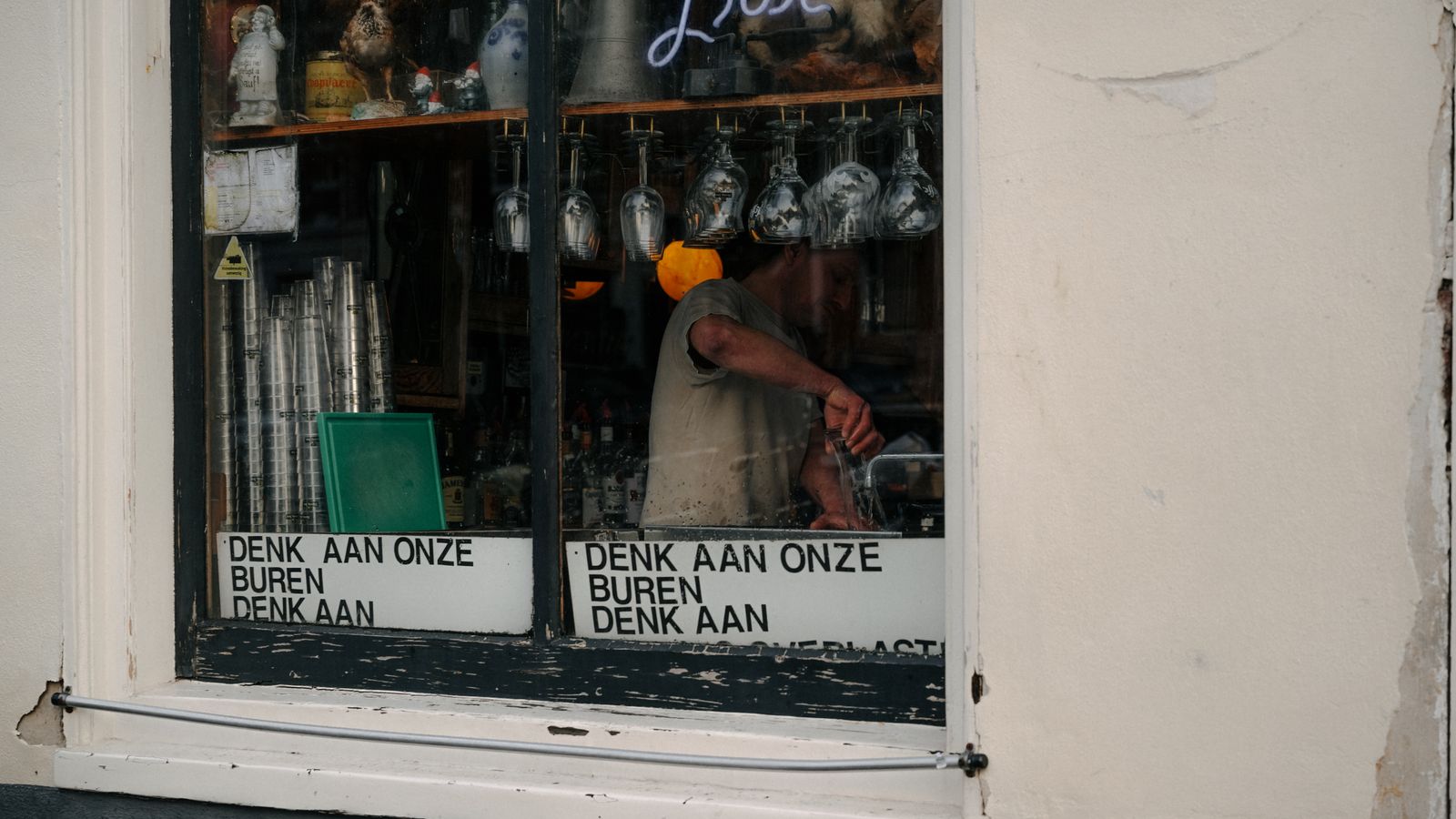
Netherlands Cannabis Policies Show Structural Gaps Despite Coffeeshop Model
Policy analysts highlight enforcement inconsistencies and supply-chain ambiguities in Dutch cannabis framework.

Vermont Lieutenant Governor Accused of Violating State Cannabis Laws
State official faces allegations of breaking Vermont's cannabis regulations, raising questions about enforcement and political accountability.
More from the newsroom
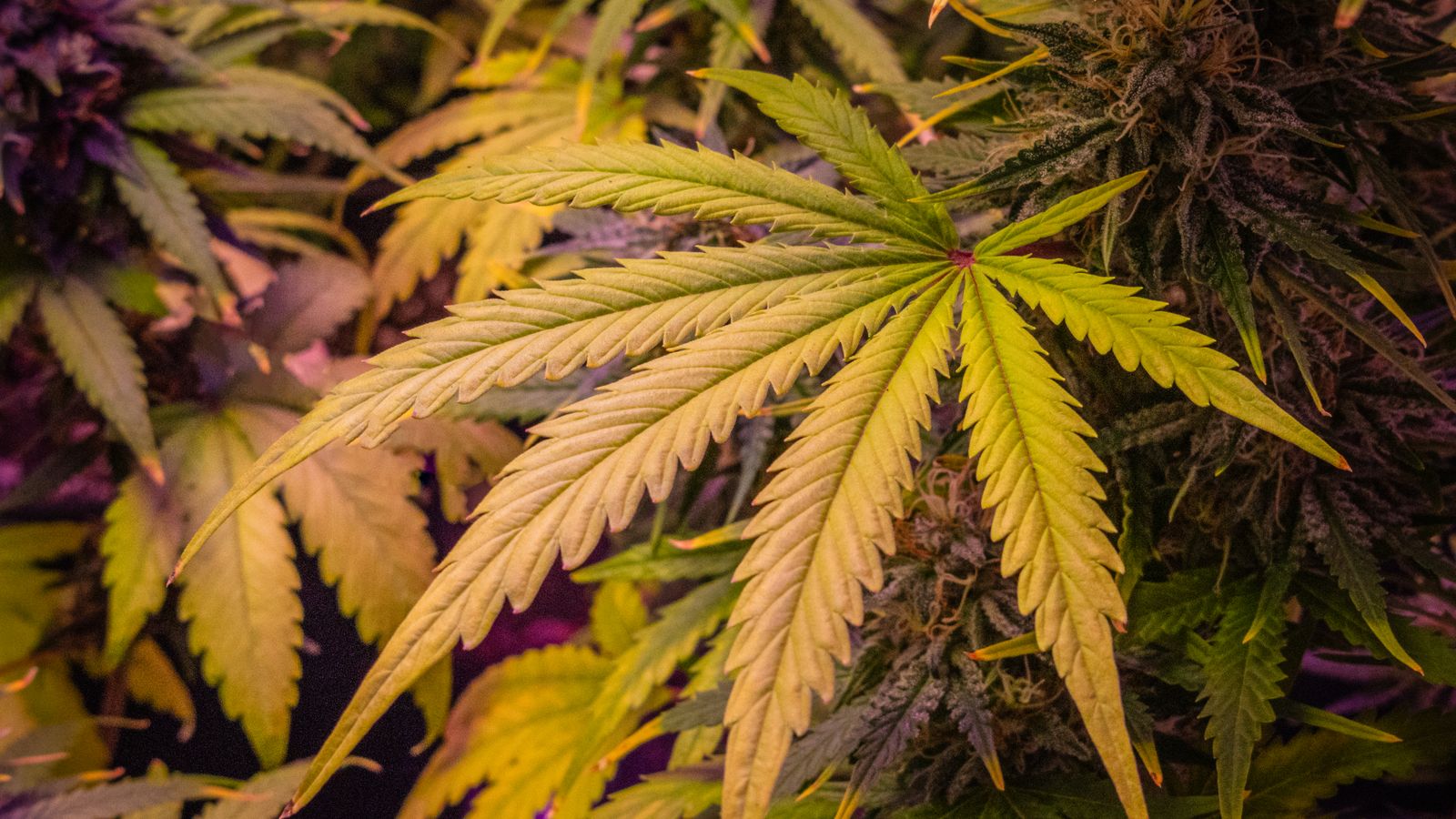
New Review Challenges Evidence Behind Cannabis 'Entourage Effect'
A systematic review questions the scientific foundation of the widely marketed claim that minor cannabinoids enhance THC effects.

Massachusetts Recriminalization Campaign Outspends Cannabis Industry
National anti-cannabis group backing ballot measure to ban $1.65B industry outpaces operator defense spending.

DC Circuit Declines To Halt DOJ's Cannabis Rescheduling
The D.C. Circuit Court of Appeals refused to block the Justice Department's ongoing administrative process to move cannabis from Schedule I to Schedule III.