GOP senators tie hemp THC 'loophole' to Chinese criminal networks
Four Republican senators signal no reprieve for hemp cannabinoid ban, citing alleged Chinese involvement in intoxicating-hemp supply chain.
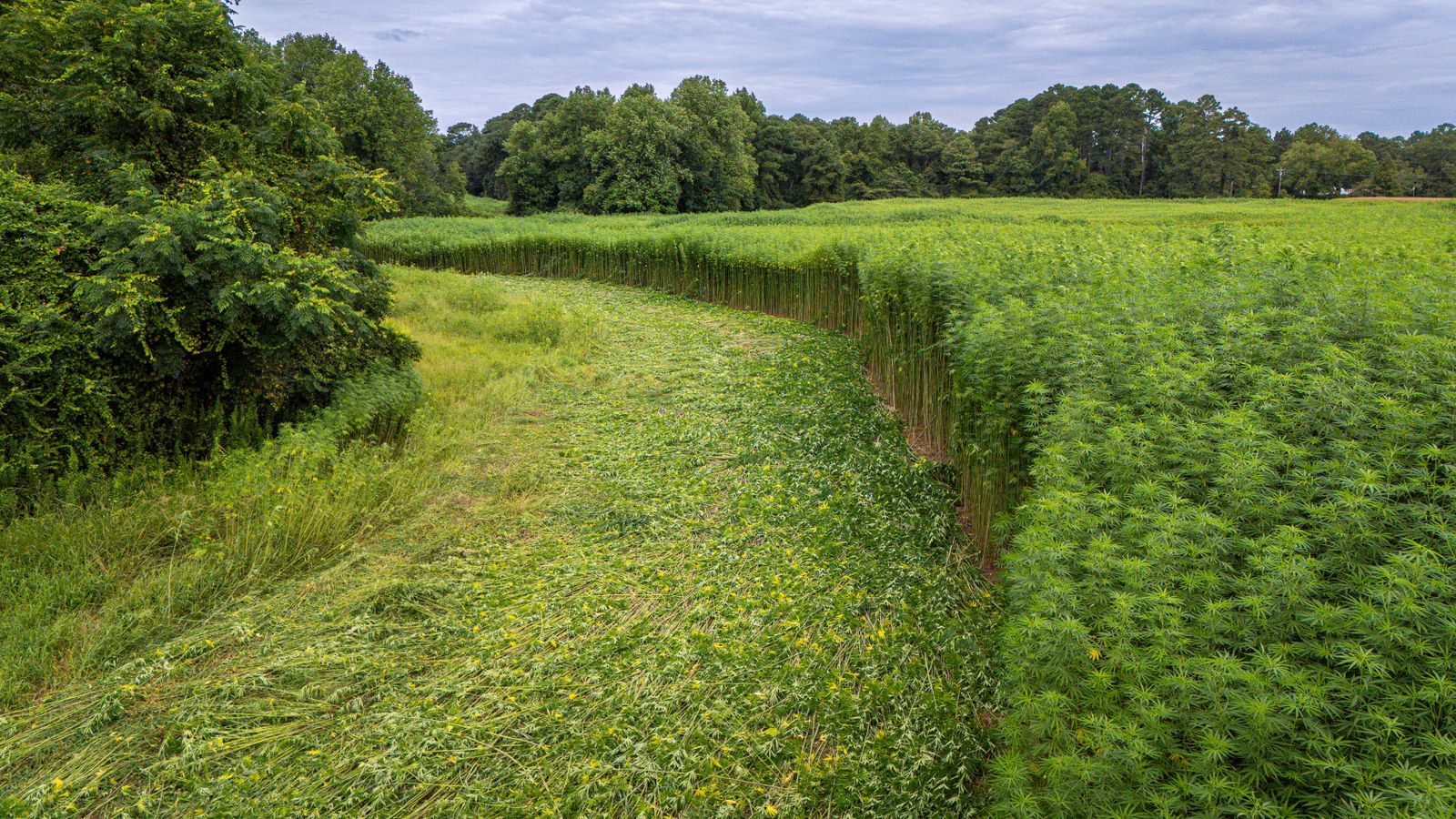
Expansive view of a hemp field bordered by dense trees under a cloudy sky.
GOP senators hold firm on hemp cannabinoid ban
Four Republican senators issued a joint statement October 1 reaffirming support for the federal ban on intoxicating hemp products, citing alleged ties to Chinese criminal networks. The senators—whose names weren't disclosed in the initial reporting—signaled that no legislative reprieve is forthcoming before the ban's enforcement date.
The statement marks the first time GOP leadership has explicitly linked the hemp THC debate to foreign criminal activity. Industry advocates had hoped that bipartisan pressure might delay or soften the prohibition. This week's announcement extinguishes that prospect.
Chinese involvement alleged in hemp supply chain
The senators' letter alleges that Chinese entities are exploiting the 2018 Farm Bill's hemp definition to flood U.S. markets with intoxicating cannabinoids. It references unspecified law-enforcement briefings that claim Chinese-manufactured delta-8 THC and other semi-synthetic cannabinoids are entering the country through hemp-import channels.
No specific companies, shipment data, or enforcement actions were cited. Framing the issue as a national-security concern, the senators argued that the hemp cannabinoid "loophole" enables foreign actors to bypass state-licensed cannabis markets.
What the 2018 Farm Bill loophole permits
The 2018 Farm Bill legalized hemp defined as cannabis with ≤0.3% delta-9 THC by dry weight, but it didn't address delta-8 THC, THCA, or other intoxicating isomers. That omission created a legal gray zone. Manufacturers convert CBD into delta-8 THC or sell high-THCA flower that becomes intoxicating when heated, both of which technically meet the Farm Bill's definition.
This loophole has supported a $28 billion intoxicating-hemp market, according to 2025 industry estimates. Thousands of retailers sell delta-8 vapes, THCA flower, and THC gummies in states where adult-use cannabis remains illegal.
For full background on this story, see the CannIntel topic hub on the federal hemp loophole.
Timeline: when the ban takes effect
The federal prohibition on intoxicating hemp cannabinoids is scheduled to take effect in early 2027, though the exact enforcement date remains unconfirmed. The Drug Enforcement Administration hasn't yet published final rules clarifying which cannabinoids fall under the ban or what compliance timelines retailers must follow.
Key dates to watch:
- Q4 2026: DEA expected to publish final rule on hemp-derived cannabinoid scheduling
- January 2027: Earliest possible enforcement start date
- March 2027: Compliance deadline for existing inventory, per draft guidance
Hemp operators have called for a six-month safe-harbor period to liquidate existing stock. The senators' statement suggests no such grace period is under consideration.
Industry response: 'no evidence' of Chinese crime link
Hemp trade groups immediately disputed the senators' claims, arguing that no public evidence connects Chinese entities to criminal hemp operations. The U.S. Hemp Roundtable and National Hemp Association both issued statements October 1 calling the allegations "unsupported" and demanding that the senators release the law-enforcement briefings they referenced.
The senators provided no data, no case numbers, no company names—just a vague national-security frame to justify shutting down a legal industry.
Industry attorneys note that the vast majority of delta-8 THC is synthesized domestically from U.S.-grown CBD isolate, not imported as a finished product. Chinese chemical suppliers do sell CBD isolate and isomerization reagents. Those transactions are legal under current law.
State-level enforcement already underway
At least 18 states have already banned or restricted intoxicating hemp products ahead of the federal prohibition. California, Colorado, and Oregon—three of the largest cannabis markets—have all moved to close the loophole, forcing hemp retailers to pull THCA flower and delta-8 vapes from shelves.
Enforcement has been uneven. Some states are seizing product and issuing fines; others have issued guidance but haven't yet begun compliance sweeps. The federal ban is expected to standardize enforcement nationwide, though state-level penalties will still vary.
What operators should do now
Hemp retailers and manufacturers face a narrow window to adjust inventory and business models before the federal ban takes effect. Legal advisors recommend three immediate steps:
- Audit inventory: Identify all products containing delta-8 THC, THCA, HHC, or other intoxicating cannabinoids. Calculate liquidation timelines.
- Secure legal counsel: Retention agreements now, not after the DEA publishes final rules. Compliance defense will require documentation of good-faith efforts.
- Pivot product lines: Non-intoxicating CBD, CBG, and CBN products remain legal. Reformulate where possible.
Operators who wait until the DEA's final rule is published will have weeks, not months, to comply. No legislative rescue is coming.
For complete background, history, and our ongoing coverage of this story:
Open the CannIntel topic hub →Frequently asked questions
What is the hemp THC loophole?
The 2018 Farm Bill legalized hemp with ≤0.3% delta-9 THC but didn't address delta-8 THC, THCA, or other intoxicating isomers. Manufacturers exploit this gap by converting CBD into delta-8 or selling high-THCA flower, creating a $28 billion intoxicating-hemp market in states where cannabis remains illegal.
When does the federal hemp cannabinoid ban take effect?
The DEA hasn't published a final enforcement date. Industry sources expect the ban to take effect in early 2027, with a compliance deadline for existing inventory by March 2027. No safe-harbor period has been announced.
What evidence links Chinese entities to hemp crime?
None has been made public. The four GOP senators cited unspecified law-enforcement briefings but provided no case numbers, company names, or shipment data. Hemp trade groups have demanded the senators release the briefings they referenced.
Which states have already banned intoxicating hemp?
At least 18 states have banned or restricted intoxicating hemp products, including California, Colorado, Oregon, and Washington. Enforcement varies: some states are seizing product and issuing fines, while others have issued guidance without active compliance sweeps.
What should hemp retailers do before the ban?
Audit all inventory for delta-8 THC, THCA, HHC, and other intoxicating cannabinoids. Secure legal counsel now. Pivot product lines to non-intoxicating CBD, CBG, and CBN. Operators who wait for the DEA's final rule will have only weeks to comply.
Sources
The cannabis newsletter you forward to your team.
Federal policy, market data, grower alerts, and the one story that matters today. Sent every weekday at 7am. Free.
No spam. Unsubscribe with one click. 21+ only.
Related from Laws

Houston Voters to Decide Marijuana Deprioritization Ballot Measure
Proposition on November ballot would make misdemeanor possession HPD's lowest enforcement priority.
Utah's Medical Cannabis Program Offers Blueprint for Conservative Rollout
Stakeholders cite Utah's restrictive framework as a model for states seeking tight regulatory control over patient access.
GOP Senators Demand DOJ Probe Chinese Role in U.S. Hemp, Cannabis Markets
Republican lawmakers call for federal investigation into alleged Chinese involvement in domestic cannabis and hemp supply chains.
More from the newsroom

California Pesticide Testing Rules Push Clean-Cannabis Compliance Costs
State's pesticide screening mandate adds $400-$800 per batch, forcing cultivators to choose between clean inputs and margin survival.

Arizona, Missouri, Kentucky Show Three Stages of Cannabis Market Maturity
Myles Mayfield maps recurring pressures that shift operator priorities as markets evolve from scarcity to competition.

CU Boulder receives federal grant to study cannabis facility air quality
At least two workers have died from occupational asthma linked to cultivation environments.