CU Boulder receives federal grant to study cannabis facility air quality
At least two workers have died from occupational asthma linked to cultivation environments.

Worker tends cannabis plants in indoor facility wearing protective gear.
Federal Funding Targets Cultivation Air Hazards
The CU Boulder study will deploy air-quality sensors inside operating cannabis cultivation facilities to measure particulate, mold spore, and volatile organic compound exposure levels. The grant amount and funding agency weren't disclosed in the source material, but the research marks one of the first federally backed efforts to quantify respiratory risks in a sector that employs tens of thousands of trim and cultivation workers nationwide.
At least two cannabis workers have died from occupational asthma directly linked to cultivation environments, according to the study announcement. The deaths underscore a gap in workplace safety data that's persisted since state-legal markets launched more than a decade ago.
Why Cultivation Facilities Pose Respiratory Risk
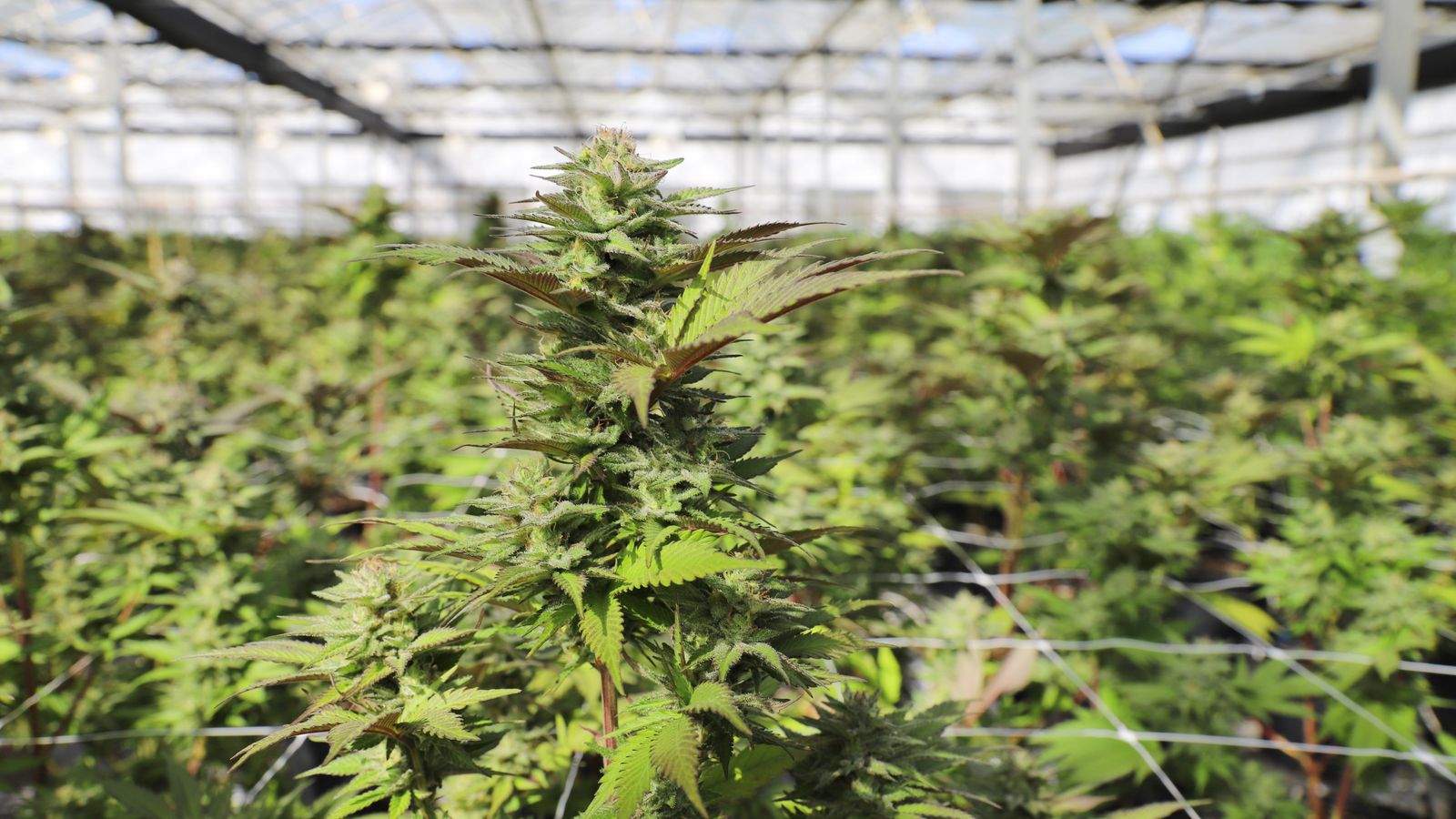
Cannabis flower produces high concentrations of airborne mold spores, terpenes, and plant particulate during flowering and post-harvest processing. Trim rooms and dry rooms concentrate exposure. Workers in these environments often report chronic cough, wheezing, and shortness of breath—symptoms consistent with occupational asthma and hypersensitivity pneumonitis.
The THC isn't the problem. It's the mold load and the terpene volatiles in poorly ventilated spaces. Most cultivation facilities don't monitor air quality beyond basic HVAC temperature and humidity controls, so this study will establish baseline exposure thresholds the industry currently lacks.
Lead Researcher Brings Insider Perspective
The principal investigator is a former cannabis cultivation worker, bringing firsthand knowledge of trim-room conditions and post-harvest workflows. That operational fluency matters. Academic air-quality studies often fail to capture real-world exposure patterns because researchers don't understand harvest cycles, pheno-hunt timelines, or the difference between a veg room and a flower room.
The researcher's background positions the study to measure exposures during the highest-risk tasks—wet trimming, branch destemming, and dry-room transfer—rather than sampling air in empty grow rooms or administrative offices.
Two Deaths Prompt Federal Attention
Occupational asthma deaths in cannabis cultivation are rare but documented. The two fatalities referenced in the study announcement represent confirmed cases where medical examiners attributed death to workplace respiratory exposures in cannabis facilities. The specific states and years weren't disclosed.
Occupational asthma develops when repeated exposure to airborne irritants triggers immune-mediated airway inflammation, and in severe cases lung function declines to the point of respiratory failure. Cannabis cultivation's rapid expansion has outpaced workplace safety research, leaving workers without established exposure limits or mandated air-quality monitoring.
What the Study Will Measure
The CU Boulder team will test for mold spores (including Aspergillus and Botrytis), total volatile organic compounds, particulate matter (PM2.5 and PM10), and allergen concentrations. Sensors will run continuously across multiple cultivation sites to capture variability by room type, ventilation system, and harvest schedule.
The data will feed into recommended exposure limits and ventilation standards for state regulators and OSHA. Right now there's no federal or state standard for safe airborne mold levels in cannabis facilities. You can't regulate what you haven't measured.
For full background on this issue, see the CannIntel topic hub on Cannabis Workplace Safety.
What's Next
The study timeline wasn't disclosed, but air-quality research typically runs 12-24 months to capture seasonal and operational variability. Results will likely inform state-level workplace safety rules and could trigger OSHA guidance for cannabis employers. Watch for interim findings in 2027.
For complete background, history, and our ongoing coverage of this story:
Open the CannIntel topic hub →Frequently asked questions
What airborne hazards exist in cannabis cultivation facilities?
Cannabis facilities produce high concentrations of mold spores (Aspergillus, Botrytis), volatile organic compounds from terpenes, and plant particulate during flowering and post-harvest processing. Trim rooms and dry rooms concentrate these exposures, which can trigger occupational asthma and hypersensitivity pneumonitis in workers.
How many cannabis workers have died from occupational asthma?
At least two cannabis cultivation workers have died from occupational asthma directly attributed to workplace respiratory exposures, according to the CU Boulder study announcement. The specific states and years were not disclosed.
Are there workplace air-quality standards for cannabis facilities?
No. No federal or state exposure limits currently exist for airborne mold, terpenes, or particulate matter in cannabis cultivation facilities. The CU Boulder study aims to establish baseline exposure data that could inform future OSHA and state regulatory standards.
What will the CU Boulder air-quality study measure?
The study will deploy sensors to measure mold spore concentrations, total volatile organic compounds, particulate matter (PM2.5 and PM10), and allergen levels across multiple cultivation sites. Data will be collected continuously to capture variability by room type, ventilation system, and harvest schedule.
Who is leading the cannabis air-quality research?
A University of Colorado Boulder researcher who previously worked in cannabis cultivation is leading the study. The researcher's operational experience in trim rooms and grow facilities informs the study design to capture real-world exposure patterns during high-risk tasks like wet trimming and dry-room transfer.
Sources
The cannabis newsletter you forward to your team.
Federal policy, market data, grower alerts, and the one story that matters today. Sent every weekday at 7am. Free.
No spam. Unsubscribe with one click. 21+ only.
Related from Grow

California Pesticide Testing Rules Push Clean-Cannabis Compliance Costs
State's pesticide screening mandate adds $400-$800 per batch, forcing cultivators to choose between clean inputs and margin survival.
THCA Flower Brands Split Catalogs by Cultivation Method
Hemp-derived THCA brands now market indoor, greenhouse, and outdoor flower separately as consumer demand for cultivation transparency grows.
THC Degrades at Room Temperature While CBD Remains Stable, Study Finds
New research reveals differential cannabinoid stability during storage, with implications for cultivators and dispensaries managing inventory shelf life.
More from the newsroom

Houston Voters to Decide Marijuana Deprioritization Ballot Measure
Proposition on November ballot would make misdemeanor possession HPD's lowest enforcement priority.

Utah's Medical Cannabis Program Offers Blueprint for Conservative Rollout
Stakeholders cite Utah's restrictive framework as a model for states seeking tight regulatory control over patient access.

Arizona, Missouri, Kentucky Show Three Stages of Cannabis Market Maturity
Myles Mayfield maps recurring pressures that shift operator priorities as markets evolve from scarcity to competition.