California Pesticide Testing Rules Push Clean-Cannabis Compliance Costs
State's pesticide screening mandate adds $400-$800 per batch, forcing cultivators to choose between clean inputs and margin survival.

Scientist in protective gear handling powder sample in a sterile lab environment.
Testing Mandate Covers 66 Compounds, Fails Cost Growers Entire Batches
California requires every harvest batch to pass screening for 66 pesticide residues before it can be packaged for retail, and a single failure destroys the entire lot. The list includes Category I compounds like myclobutanil and imidacloprid, which trigger automatic destruction if detected above 0.1 ppm. Category II residues—including spinosad and abamectin—allow slightly higher thresholds but still fail batches at concentrations above 0.5 ppm.
The test itself isn't the problem. It's the binary outcome. One hot sample from a 50-pound harvest, and the whole batch gets landfilled. No remediation. No appeal. The DCC doesn't negotiate.
Testing labs charge $400 to $800 per batch depending on turnaround time and compound panel depth. That's on top of the $150–$300 cannabinoid potency test and $200–$400 microbial screening. A single harvest lot can rack up $1,200 in compliance costs before it touches a distributor's shelf.
Clean-Input Economics: Integrated Pest Management Adds 18–22% to Operating Cost
Cultivators running fully compliant IPM programs—using only OMRI-listed inputs like neem, spinosad, and beneficial insects—report operating costs 18% to 22% higher than conventional greenhouse operations. The math is brutal for small-batch indoor growers already fighting $680-per-pound wholesale pricing.
Here's the breakdown for a 5,000-square-foot indoor canopy:
- Beneficial insect releases: $1,200–$1,800 per cycle for predatory mites, lacewings, and nematodes
- Foliar sprays (neem, potassium bicarbonate, citric acid): $600–$900 per cycle
- Labor for scouting and application: 12–16 additional hours per week at $22/hour = $1,056–$1,408 per month
- Preventative UV sterilization and airflow upgrades: $8,000–$12,000 capital outlay, amortized over 24 months
That's $3,000 to $4,500 per harvest cycle in direct IPM costs, plus the capital depreciation. For a facility pulling 120 pounds per cycle, you're adding $25 to $38 per pound in clean-input overhead.
The growers who survive California's pesticide gauntlet aren't the ones with the best flower—they're the ones who can afford to fail a batch and keep the lights on.
Failure Rates Run 4–7% Statewide, Higher for Outdoor and Mixed-Light
Statewide pesticide failure rates averaged 5.2% of all batches tested in 2025, according to DCC quarterly compliance reports. Outdoor cultivators saw failure rates near 7%, driven by drift contamination from neighboring agricultural parcels and legacy soil residues. Indoor operations using closed-loop environments reported failure rates closer to 2–3%.
The most common fails? Myclobutanil (a systemic fungicide banned for cannabis but still used on wine grapes) and bifenthrin (a pyrethroid insecticide that drifts from almond and citrus orchards). Both compounds persist in soil for 60–120 days and can be absorbed through root systems even if the cultivator never sprayed them directly.
One Humboldt County outdoor operator told High Times that three consecutive batches failed for bifenthrin in 2025 despite running a fully organic program. The source? A neighboring vineyard's aerial application two months before transplant. The cultivator lost 180 pounds and $122,000 in projected revenue.
What Clean Cannabis Costs the Consumer—and What It's Worth
Pesticide-tested flower that passes California's 66-compound screen typically retails for $35 to $55 per eighth, compared to $25 to $40 for untested or legacy-market product. That $10–$15 premium reflects the compliance stack: testing fees, IPM overhead, batch-failure risk, and the distributor's margin on a smaller supply of verified-clean inventory.
Is it worth it? For medical patients with compromised immune systems, the answer is yes. Smoking or vaping pesticide residues—especially systemic fungicides like myclobutanil—can produce hydrogen cyanide and other toxic combustion byproducts. The health risk isn't theoretical.
Recreational consumers face a murkier value proposition. Most adults won't notice a difference in short-term effects, but the long-term inhalation exposure to even low-level pesticide residues remains unstudied in cannabis-specific contexts. California's testing mandate is a bet that clean flower is worth the operational friction.
Growers who've dialed in clean IPM programs—using UV sterilization, beneficial insect releases, and foliar rotation schedules—are now sitting on a competitive moat. Their flower passes every time. They've priced the compliance cost into their wholesale floor. The operators still spraying Eagle 20 (myclobutanil) in veg and hoping it clears by harvest? They're the ones eating $80,000 batch failures and wondering why the math doesn't work anymore.
For full context on California's evolving pesticide rules and compliance landscape, see the CannIntel topic hub on California pesticide testing.
What to Watch: DCC May Expand Compound List in 2027
The next signal: DCC's annual pesticide-list review in Q1 2027. Industry groups are lobbying to add flonicamid and spirotetramat—two newer insecticides showing up in trace amounts on samples that otherwise pass. If the list expands to 75+ compounds, testing costs could jump another $100–$150 per batch.
The political variable nobody can model is whether California will allow any remediation pathway for failed batches—distillate conversion, for example—rather than mandatory destruction. Colorado and Michigan both permit limited remediation. California doesn't. That binary pass/fail structure is what makes the economics so unforgiving.
Frequently asked questions
What pesticides does California test for in cannabis?
California requires testing for 66 pesticide compounds, divided into Category I (myclobutanil, imidacloprid) with 0.1 ppm limits and Category II (spinosad, abamectin) with 0.5 ppm thresholds. Any detection above these levels fails the batch.
How much does pesticide testing cost per batch in California?
Licensed testing labs charge $400 to $800 per batch for pesticide screening, depending on turnaround time and panel depth. Combined with cannabinoid and microbial tests, total compliance costs reach $1,200 per harvest lot.
What happens if a cannabis batch fails pesticide testing in California?
The entire batch is destroyed with no remediation option. California doesn't allow distillate conversion or reprocessing, unlike Colorado and Michigan. A single failure can cost cultivators $80,000 to $122,000 in lost revenue.
Why do outdoor cannabis crops fail pesticide tests more often?
Outdoor failure rates run near 7% due to pesticide drift from neighboring agricultural parcels (vineyards, almond orchards) and legacy soil residues. Compounds like bifenthrin and myclobutanil persist in soil for 60–120 days and can be absorbed through roots.
How much does clean IPM add to cannabis cultivation costs?
Fully compliant integrated pest management programs using beneficial insects, OMRI-listed sprays, and UV sterilization add 18–22% to operating costs—roughly $25 to $38 per pound for indoor operations. This includes $1,200–$1,800 per cycle in beneficial insect releases and 12–16 additional labor hours per week.
Sources
The cannabis newsletter you forward to your team.
Federal policy, market data, grower alerts, and the one story that matters today. Sent every weekday at 7am. Free.
No spam. Unsubscribe with one click. 21+ only.
Related from Grow

CU Boulder receives federal grant to study cannabis facility air quality
At least two workers have died from occupational asthma linked to cultivation environments.
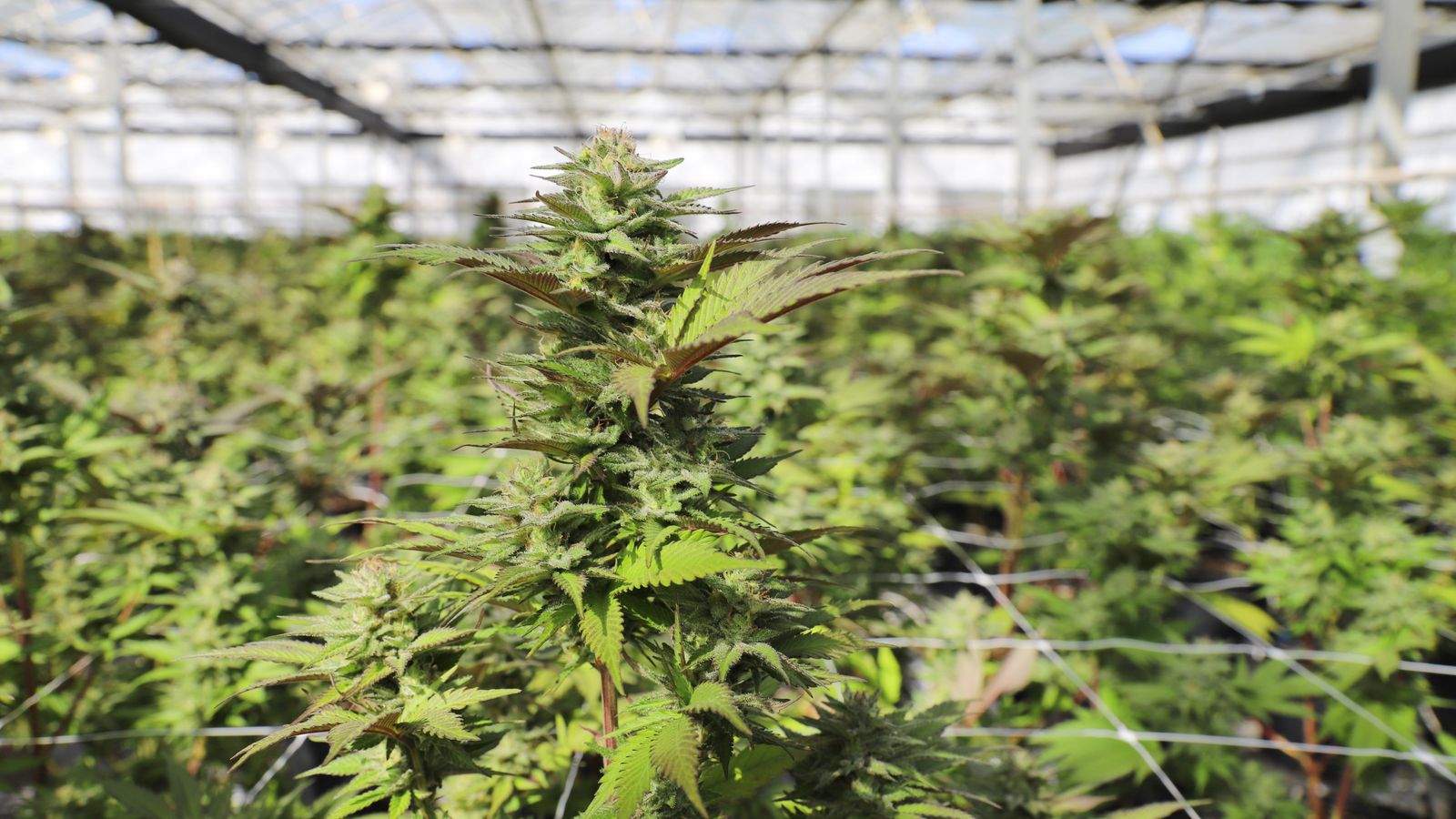
THCA Flower Brands Split Catalogs by Cultivation Method
Hemp-derived THCA brands now market indoor, greenhouse, and outdoor flower separately as consumer demand for cultivation transparency grows.
THC Degrades at Room Temperature While CBD Remains Stable, Study Finds
New research reveals differential cannabinoid stability during storage, with implications for cultivators and dispensaries managing inventory shelf life.
More from the newsroom

Verano Preps Entry Into Major New Market Amid MSO Expansion Push
The Chicago-based MSO is readying infrastructure and capital for a significant geographic expansion as adult-use markets continue opening.

Houston Voters to Decide Marijuana Deprioritization Ballot Measure
Proposition on November ballot would make misdemeanor possession HPD's lowest enforcement priority.

Utah's Medical Cannabis Program Offers Blueprint for Conservative Rollout
Stakeholders cite Utah's restrictive framework as a model for states seeking tight regulatory control over patient access.