GOP Senators Demand DOJ Probe Chinese Role in U.S. Hemp, Cannabis Markets
Republican lawmakers call for federal investigation into alleged Chinese involvement in domestic cannabis and hemp supply chains.
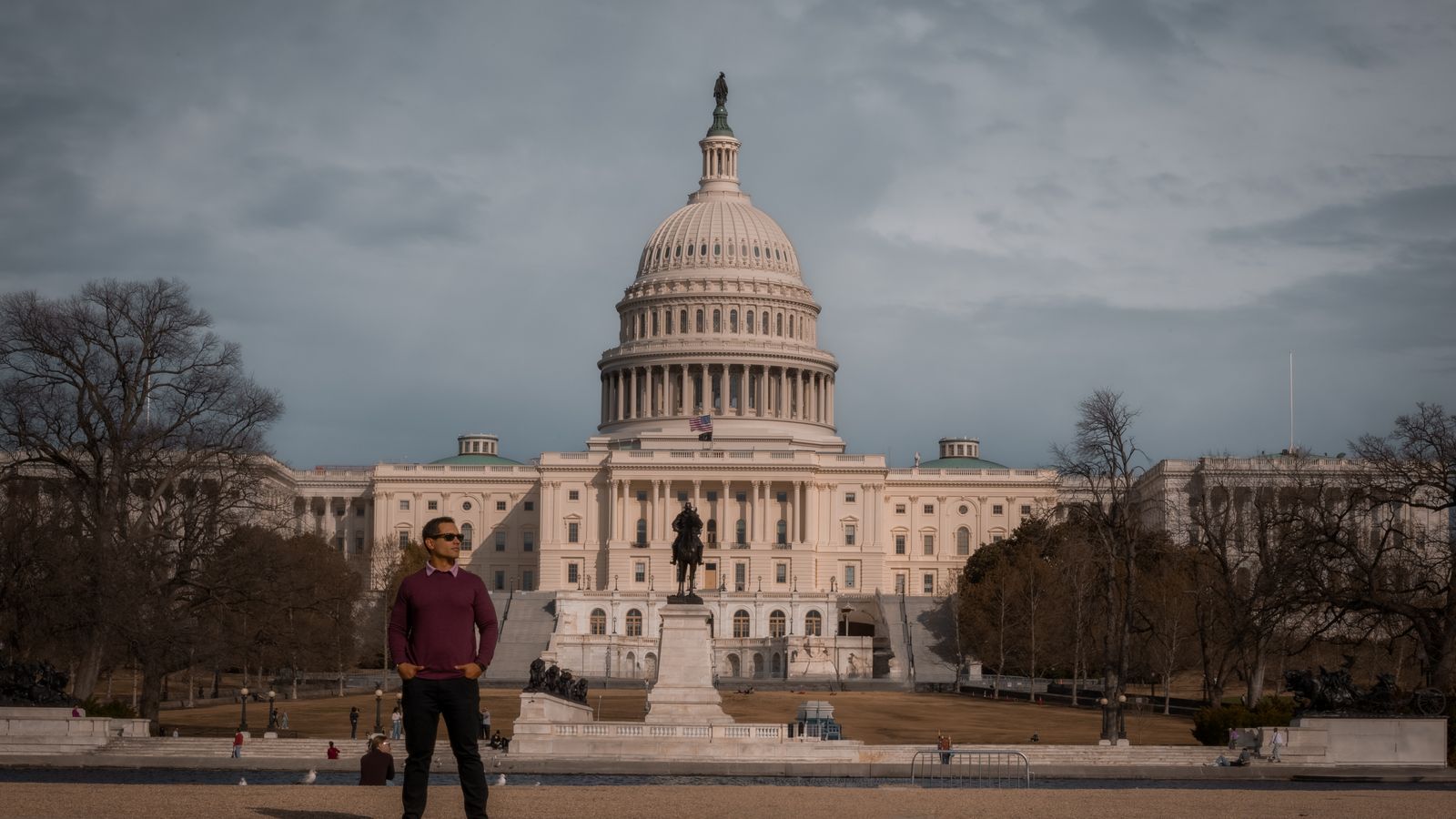
Person standing in front of the iconic United States Capitol on a clear day.
Senate Request Targets Chinese Supply-Chain Presence
The senators' letter asks DOJ to examine whether Chinese companies are exploiting hemp and cannabis markets to launder money, evade U.S. sanctions, or facilitate fentanyl precursor trafficking. Senator Tom Cotton (R-AR) led the request. Six colleagues co-signed. The letter identifies specific concerns about Chinese ownership of cultivation facilities, processing labs, and distribution networks operating in states with legal cannabis or hemp programs.
The senators cite intelligence reports—unclassified summaries shared with the Senate Judiciary Committee in August 2026—that suggest Chinese nationals have acquired equity stakes in at least 14 U.S. cannabis or hemp operations since 2023. The letter doesn't name the companies but references "emerging patterns" of shell-entity ownership and cross-border financial flows that DOJ has authority to investigate under the Bank Secrecy Act and the Foreign Narcotics Kingpin Designation Act.
National Security Rationale Anchors GOP Argument
The senators frame the investigation request as a counternarcotics and sanctions-enforcement matter, not a cannabis-policy debate. Cotton's office released a summary statement emphasizing that the letter "does not take a position on state legalization" but argues that foreign adversaries shouldn't control any segment of a federally prohibited commodity.
The letter points to DEA reporting that some Chinese chemical suppliers previously linked to fentanyl precursor exports have also shipped hemp-derived cannabinoid isolates to U.S. buyers. This dual-use supply chain creates enforcement blind spots, the senators argue. For background on overlapping hemp and synthetic-drug policy, see the CannIntel topic hub on Chinese involvement in U.S. cannabis and hemp markets.
DOJ Authority and Investigative Tools
The Department of Justice has multiple statutory avenues to investigate foreign ownership in cannabis-adjacent sectors, even where state law permits the underlying activity. The senators' letter specifically invokes:
- The Bank Secrecy Act, which requires financial institutions to report suspicious activity and allows FinCEN to issue geographic targeting orders for cash-intensive industries.
- The Foreign Narcotics Kingpin Designation Act, which authorizes Treasury to sanction foreign persons engaged in international narcotics trafficking and permits DOJ to pursue related money-laundering charges.
- CFIUS (Committee on Foreign Investment in the United States) review authority, though the letter acknowledges that cannabis businesses' federal illegality has historically excluded them from formal CFIUS jurisdiction.
A DOJ spokesperson told reporters Thursday that the department had received the letter and would "review the request consistent with our enforcement priorities," declining further comment.
Industry Reaction: Compliance Costs and Uncertainty
Cannabis and hemp trade groups warned that a broad DOJ investigation could impose new compliance burdens on operators already navigating state-federal conflicts. The U.S. Hemp Roundtable issued a statement Thursday afternoon noting that the 2018 Farm Bill legalized hemp production and that "lawful businesses shouldn't be subjected to national-security scrutiny without evidence of wrongdoing."
The industry has spent years building transparent supply chains and working with state regulators to ensure compliance—blanket investigations risk tarring legitimate operators with unfounded suspicion.
Several MSOs with vertically integrated operations said privately that they have minimal exposure to Chinese suppliers, sourcing genetics domestically and manufacturing inputs from U.S. or Canadian vendors. One chief compliance officer, speaking on background, noted that state licensing regimes in California, Illinois, and New York already require ownership disclosures that would flag foreign control.
Political and Legislative Context
The senators' letter arrives as Congress debates broader China-competition legislation and as the hemp-derived cannabinoid market faces renewed regulatory pressure. The House Select Committee on the Chinese Communist Party held hearings in June 2026 on fentanyl precursor trafficking. Witnesses testified that some Chinese exporters had pivoted to shipping THCA, delta-8 THC, and other hemp extracts following DEA enforcement actions against traditional precursor sales.
The letter's timing also coincides with ongoing DEA rulemaking on hemp-derived cannabinoids. An NPRM published in May 2026 proposed tighter controls on delta-8 THC and THCA products, and industry observers expect a final rule by early 2027. Some lobbyists view the GOP senators' DOJ request as an effort to shape that rulemaking by introducing national-security arguments into what has been a public-health and consumer-safety debate.
DOJ's internal review is the next procedural step. If the department opens a formal investigation, it would likely coordinate with FinCEN, DEA, and the Office of Foreign Assets Control. The senators requested a written response by November 15, 2026.
Frequently asked questions
Which senators signed the letter requesting the DOJ investigation?
Senator Tom Cotton (R-AR) led the request, co-signed by six Republican colleagues. The letter was delivered to Attorney General Merrick Garland on Thursday, October 1, 2026.
What legal authority does DOJ have to investigate foreign ownership in cannabis markets?
DOJ can use the Bank Secrecy Act to pursue money-laundering cases, the Foreign Narcotics Kingpin Designation Act to sanction foreign narcotics traffickers, and coordinate with FinCEN on suspicious-activity reporting. CFIUS review is limited because cannabis remains federally illegal.
How does this request relate to hemp-derived cannabinoid regulation?
The letter arrives as DEA finalizes rules on delta-8 THC and THCA. Senators cite intelligence that some Chinese fentanyl-precursor suppliers also ship hemp extracts, creating enforcement gaps. Industry observers see the DOJ request as an attempt to inject national-security arguments into the hemp rulemaking process.
What is the industry's response to the investigation request?
The U.S. Hemp Roundtable and several MSOs expressed concern that broad investigations could impose compliance costs on lawful operators. Trade groups argue that state licensing already requires ownership disclosures and that legitimate businesses shouldn't face scrutiny without specific evidence.
When will DOJ respond to the senators' letter?
The senators requested a written response by November 15, 2026. DOJ acknowledged receipt and said it would review the request consistent with enforcement priorities but didn't commit to a timeline or confirm whether it would open a formal investigation.
Sources
The cannabis newsletter you forward to your team.
Federal policy, market data, grower alerts, and the one story that matters today. Sent every weekday at 7am. Free.
No spam. Unsubscribe with one click. 21+ only.
Related from Laws

GOP senators tie hemp THC 'loophole' to Chinese criminal networks
Four Republican senators signal no reprieve for hemp cannabinoid ban, citing alleged Chinese involvement in intoxicating-hemp supply chain.

Congress Files Bill Requiring VA to Study Medical Marijuana for PTSD, Pain
New federal legislation would mandate Department of Veterans Affairs research into cannabis efficacy for combat-related conditions.

Massachusetts voters favor retaining legal cannabis in 2026 poll
New polling shows majority support for keeping the state's adult-use cannabis framework intact ahead of November ballot.
More from the newsroom

CU Boulder receives federal grant to study cannabis facility air quality
At least two workers have died from occupational asthma linked to cultivation environments.
Rove Launches in Canada After Years of U.S. Market Dominance
The California-based vape brand enters Canada's adult-use market through a licensing partnership with a domestic LP.

Hemp THC Vape Manufacturer Sells Headquarters to Cover Debt
Unnamed hemp-derived THC vaporizer producer liquidates primary facility amid mounting financial pressure in unregulated intoxicating-hemp sector.