Rove Launches in Canada After Years of U.S. Market Dominance
The California-based vape brand enters Canada's adult-use market through a licensing partnership with a domestic LP.
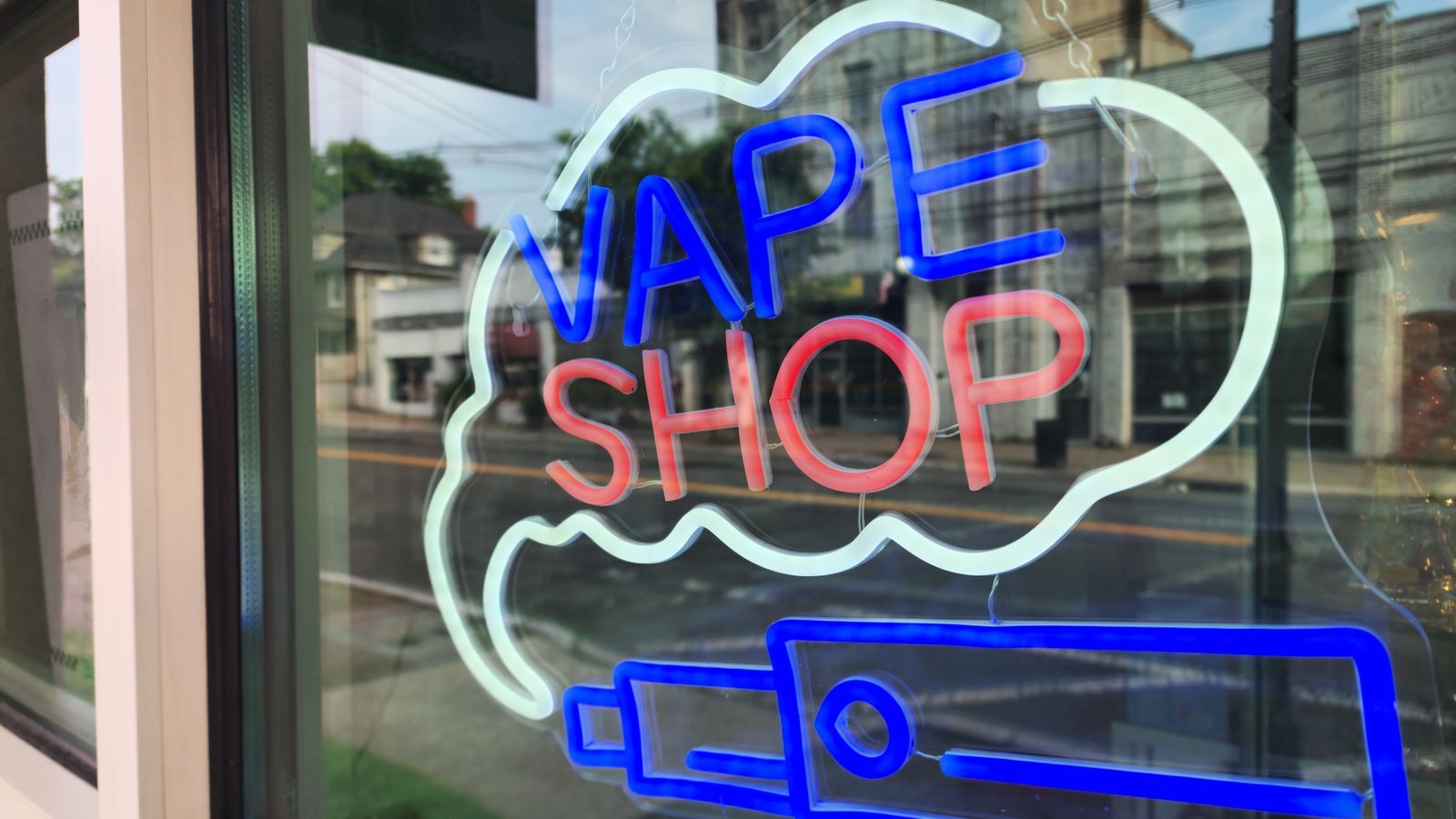
Bright neon sign of a vape shop in a city window reflecting the urban street.
Rove Enters Canada Through Licensed Production Model
Rove's Canadian debut relies on a licensing partnership with a domestic LP, avoiding the cross-border supply chain barriers that have stalled other U.S. brands. The company didn't disclose the name of its Canadian manufacturing partner in its initial announcement. Under Canada's Cannabis Act, all adult-use cannabis products must be cultivated, processed, and packaged by federally licensed entities within Canada. U.S. brands typically enter the market through licensing deals that allow Canadian LPs to produce products under the U.S. brand name in exchange for royalty payments.
Rove's product lineup in Canada will initially include its Featured Farms vape cartridges and live resin offerings. The company hasn't specified retail pricing or provincial distribution timelines beyond the October 1 launch date.
U.S. Market Position and Revenue Scale
Rove holds the number-one vape brand position in California by unit sales and has expanded to more than a dozen states since its 2016 founding. The brand is owned by Kiva Confections, a California-based edibles and vape manufacturer that reported over $200 million in annual revenue in 2025, according to industry estimates. Kiva hasn't filed for a U.S. public listing and doesn't disclose audited financials.
In California, Rove's market share in the vape category consistently exceeds 15 percent by dollar volume, according to Headset retail analytics. The brand's Featured Farms line sources single-origin cannabis from named cultivators. That line has been a primary driver of growth. Rove also operates in Arizona, Nevada, Michigan, Oklahoma, and Massachusetts through a mix of licensing deals and direct distribution agreements.
Canada's Vape Market Dynamics and Regulatory Landscape
Canada's legal cannabis vape market generated CAD $1.2 billion in sales in 2025, representing approximately 22 percent of total adult-use revenue. Vape products overtook dried flower as the second-largest category by revenue in 2024, trailing only edibles. Health Canada's vape regulations cap THC concentration at 1,000 mg per package and impose strict labeling and child-resistant packaging requirements.
The Canadian market differs structurally from U.S. state markets in several ways. Provincial cannabis boards control wholesale distribution in most provinces, limiting direct-to-retailer relationships. Federal excise taxes and provincial markups typically add 30 to 50 percent to the wholesale cost of vape products before they reach consumers. These dynamics have compressed margins for licensed producers. Brand differentiation is difficult.
Rove's entry into Canada tests whether a U.S.-born brand can command premium pricing in a market where regulatory costs and provincial markups have driven most vape cartridges toward commoditization.
Licensing Economics and Cross-Border Brand Strategy
U.S. cannabis brands entering Canada typically negotiate royalty rates of 5 to 12 percent of net wholesale revenue, with the Canadian LP bearing all production and compliance costs. The licensing model allows U.S. companies to generate revenue without owning Canadian assets or navigating Health Canada's licensing process. But the structure also limits brand control over product quality, supply chain timing, and retail pricing.
Several U.S. brands have struggled to replicate their domestic success in Canada. Cookies, the Oakland-based lifestyle brand, launched in Canada in 2021 but hasn't disclosed sales figures. Jeeter, California's top-selling pre-roll brand, entered Canada in 2024 through a licensing deal with Indiva but has faced supply chain delays in several provinces.
Provincial Rollout and Retail Distribution Strategy
Rove hasn't specified which provinces will carry its products at launch or whether it's secured listings with provincial boards in Ontario, British Columbia, Alberta, or Quebec. Provincial cannabis boards control wholesale purchasing and distribution in most markets. Private retailers in provinces like Alberta and Saskatchewan order through provincial portals, while government-run stores in provinces like Quebec and British Columbia determine product assortments centrally.
Securing provincial listings is a multi-month process. It requires product submissions, lab testing, and negotiations over wholesale pricing and minimum order quantities. Brands that fail to meet sales velocity thresholds risk being delisted after a trial period. The lack of disclosed provincial partners or retail timelines suggests Rove's rollout may be phased rather than simultaneous across Canada.
Implications for U.S. Brands and Canadian LP Partners
Rove's Canada launch represents a test case for whether U.S. vape brands can command premium pricing and shelf space in a market dominated by low-cost domestic products. Canadian LPs have increasingly sought U.S. licensing deals to differentiate their offerings and capture higher margins. For Rove, the Canadian market offers a potential revenue stream that doesn't depend on U.S. federal rescheduling or interstate commerce.
The financial upside for U.S. brands in Canada remains modest compared to domestic opportunities. A successful Canadian licensing deal might generate $2 million to $5 million in annual royalties for a top-tier brand. That's a fraction of what the same brand earns in California alone. The strategic value lies in brand positioning and optionality if cross-border trade restrictions ease.
For full background on this story, see the CannIntel topic hub on Rove's Canada launch.
The next signal to watch: provincial retail listings and disclosed manufacturing partnerships. Without named LP partners or retail distribution confirmed, Rove's actual market penetration remains uncertain.
Frequently asked questions
When did Rove launch in Canada?
Rove launched in Canada on October 1, 2026. The company entered the market through a licensing agreement with a Canadian licensed producer, allowing it to sell vape cartridges and live resin products under the Rove brand name.
How does Rove's U.S. market position compare to its Canadian entry?
Rove is the top-selling vape brand in California and operates in more than a dozen U.S. states. Its parent company, Kiva Confections, reported over $200 million in annual revenue in 2025. The Canadian market is significantly smaller, with total vape sales of CAD $1.2 billion in 2025.
What products will Rove sell in Canada?
Rove's initial Canadian lineup includes its Featured Farms vape cartridges and live resin products. The company hasn't disclosed retail pricing, THC concentrations, or strain availability at launch.
How do U.S. cannabis brands enter the Canadian market?
U.S. cannabis brands typically enter Canada through licensing agreements with federally licensed producers. The Canadian LP manufactures and distributes products under the U.S. brand name in exchange for royalty payments, usually 5 to 12 percent of net wholesale revenue.
Which Canadian provinces will carry Rove products?
Rove hasn't disclosed which provinces will carry its products at launch. Provincial cannabis boards control wholesale distribution in most Canadian markets, and securing listings requires product submissions, lab testing, and pricing negotiations.
Sources
The cannabis newsletter you forward to your team.
Federal policy, market data, grower alerts, and the one story that matters today. Sent every weekday at 7am. Free.
No spam. Unsubscribe with one click. 21+ only.
Related from Business

Arizona, Missouri, Kentucky Show Three Stages of Cannabis Market Maturity
Myles Mayfield maps recurring pressures that shift operator priorities as markets evolve from scarcity to competition.

Hemp THC Vape Manufacturer Sells Headquarters to Cover Debt
Unnamed hemp-derived THC vaporizer producer liquidates primary facility amid mounting financial pressure in unregulated intoxicating-hemp sector.
Cannabis Startup Founder Charged with Defrauding Investors of $9M
Federal prosecutors filed wire fraud charges against a cannabis entrepreneur who allegedly misappropriated investor capital for personal use.
More from the newsroom

Houston Voters to Decide Marijuana Deprioritization Ballot Measure
Proposition on November ballot would make misdemeanor possession HPD's lowest enforcement priority.

California Pesticide Testing Rules Push Clean-Cannabis Compliance Costs
State's pesticide screening mandate adds $400-$800 per batch, forcing cultivators to choose between clean inputs and margin survival.
Utah's Medical Cannabis Program Offers Blueprint for Conservative Rollout
Stakeholders cite Utah's restrictive framework as a model for states seeking tight regulatory control over patient access.