Cannabis Startup Founder Charged with Defrauding Investors of $9M
Federal prosecutors filed wire fraud charges against a cannabis entrepreneur who allegedly misappropriated investor capital for personal use.
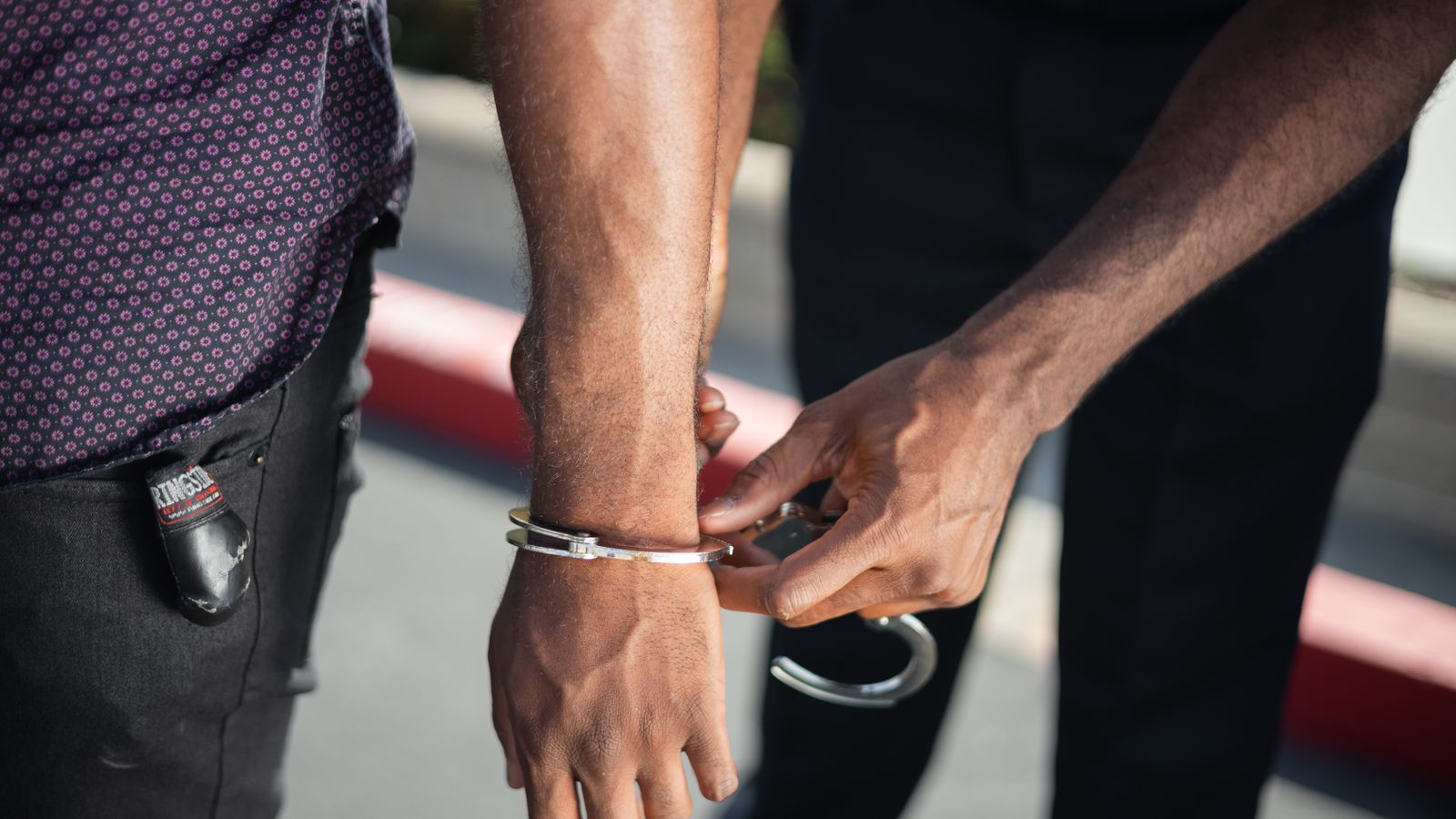
Close-up of a police officer handcuffing a suspect outdoors, enforcing law.
The Charges
Federal prosecutors charged the entrepreneur with multiple counts of wire fraud, each carrying a maximum 20-year prison term. The indictment alleges the founder solicited investments between 2023 and 2025 by promising to construct state-licensed cultivation facilities and extraction labs across three states.
Investors were told their capital would fund equipment purchases, licensing fees, and facility build-outs. Instead, prosecutors say, the founder transferred funds to personal accounts, luxury real estate, and unrelated business ventures with no cannabis operations.
The Alleged Scheme
The indictment describes a pattern of fabricated financial statements, forged licensing documents, and staged facility tours. Prosecutors allege the founder created shell companies to generate invoices for construction work that never occurred, then used those invoices to justify draw-downs from investor accounts.
Key allegations include:
- $3.2 million transferred to personal real estate purchases
- $1.8 million spent on luxury vehicles and travel
- $2.1 million moved to non-cannabis business entities controlled by the founder
- $1.9 million in unexplained wire transfers to offshore accounts
The scheme unraveled when investors demanded site visits to operational facilities that didn't exist.
Investor Profile
The victim pool includes 47 accredited investors, family offices, and one small institutional fund. Most investors contributed between $100,000 and $500,000, according to court filings. Several were repeat cannabis investors with portfolios in legitimate MSOs and ancillary businesses.
The institutional fund committed $2.3 million. It conducted standard due diligence but was provided forged state licensing approvals and fabricated bank statements showing operational cash flow.
Market Context
Cannabis investment fraud prosecutions have accelerated as the sector attracts capital without federal banking transparency. The lack of interstate commerce and federal oversight creates information asymmetry that sophisticated fraudsters exploit.
Comparable recent cases include the $35 million CannaCorp fraud in California (2024) and the $12 million GreenHarvest scheme in Michigan (2025), both involving similar patterns: fabricated licenses, phantom facilities, and diverted investor capital.
For full background on enforcement trends, see the CannIntel topic hub on cannabis investment fraud.
Due Diligence Failures
The case highlights persistent gaps in investor verification protocols for private cannabis deals. Standard institutional checks—audited financials, third-party site inspections, escrow arrangements—were either waived or circumvented through forged documentation.
Industry attorneys note that state licensing databases are often incomplete or delayed, making real-time verification difficult. Some states publish license numbers but not applicant names or facility addresses. Verification blind spots.
Legal Exposure
Wire fraud convictions in cannabis investment cases typically result in 5-10 year sentences and full restitution orders. The government will likely seek forfeiture of all traceable assets, including real estate purchased with investor funds.
Civil exposure is separate. Investors can pursue parallel claims under state securities laws, and several victims have already filed a joint civil suit seeking treble damages and punitive awards.
The founder's defense strategy isn't yet public. Early-stage cannabis fraud cases sometimes argue that operational failures were business misjudgments rather than criminal intent, but the alleged forged documents and offshore transfers complicate that narrative.
What Investors Should Watch
The prosecution will test whether standard anti-fraud statutes apply with full force to cannabis businesses operating in legal-state frameworks. Defense counsel may argue that federal prosecution of state-legal cannabis activity creates selective enforcement issues, though that argument has failed in prior fraud cases.
The institutional fund's involvement may also prompt SEC scrutiny. If the fund marketed itself as a cannabis-focused vehicle, its own due diligence failures could trigger regulatory examination.
Sentencing, if conviction occurs, will likely fall in 2027. Restitution orders in comparable cases have recovered 30-50 cents on the dollar, mostly through asset forfeiture rather than defendant payment.
Sources
The cannabis newsletter you forward to your team.
Federal policy, market data, grower alerts, and the one story that matters today. Sent every weekday at 7am. Free.
No spam. Unsubscribe with one click. 21+ only.
Related from Business

Arizona, Missouri, Kentucky Show Three Stages of Cannabis Market Maturity
Myles Mayfield maps recurring pressures that shift operator priorities as markets evolve from scarcity to competition.
Rove Launches in Canada After Years of U.S. Market Dominance
The California-based vape brand enters Canada's adult-use market through a licensing partnership with a domestic LP.

Hemp THC Vape Manufacturer Sells Headquarters to Cover Debt
Unnamed hemp-derived THC vaporizer producer liquidates primary facility amid mounting financial pressure in unregulated intoxicating-hemp sector.
More from the newsroom

Houston Voters to Decide Marijuana Deprioritization Ballot Measure
Proposition on November ballot would make misdemeanor possession HPD's lowest enforcement priority.

California Pesticide Testing Rules Push Clean-Cannabis Compliance Costs
State's pesticide screening mandate adds $400-$800 per batch, forcing cultivators to choose between clean inputs and margin survival.
Utah's Medical Cannabis Program Offers Blueprint for Conservative Rollout
Stakeholders cite Utah's restrictive framework as a model for states seeking tight regulatory control over patient access.