Federal hemp ban threatens 225,000 jobs, $8.9B in wages by December
USDA final rule set for Dec. 11 enforcement targets intoxicating hemp products, projecting $28.3 billion retail revenue loss.

Green tractor mowing hemp in lush fields, aerial view.
USDA Final Rule Targets Intoxicating Hemp Derivatives Under 2018 Farm Bill Authority
The USDA's forthcoming final rule interprets the 2018 Farm Bill's hemp definition to exclude any product capable of inducing intoxication, regardless of delta-9 THC concentration. It closes the loophole that allowed manufacturers to synthesize delta-8 THC, delta-10 THC, THC-O, and HHC from CBD isolate. The same loophole let growers harvest high-THCA cannabis flower and market it as "hemp" under the 0.3% delta-9 THC dry-weight threshold established in 7 U.S.C. § 5940.
On a strict reading of the statute, hemp is defined solely by its delta-9 THC content at harvest. The USDA's new interpretation extends regulatory authority to finished consumer products and imposes an "intoxicating substance" exclusion not explicit in the Farm Bill text. This marks the first time a federal agency has asserted jurisdiction over the psychoactive potential of hemp-derived compounds post-extraction.
The December 11 effective date follows a 90-day comment period that closed in September 2026. Industry groups submitted over 14,000 comments. Most opposed the rule on grounds of statutory overreach and economic harm.
Projected Economic Impact: $28.3 Billion Retail Revenue Loss and 225,000 Job Cuts
Economic modeling commissioned by the U.S. Hemp Roundtable estimates the rule will reduce retail revenue by $28.3 billion annually and eliminate 225,000 direct and indirect jobs. Wage losses total $8.9 billion. Those cuts hit hardest in manufacturing, distribution, and retail sectors across states with minimal or no adult-use cannabis licensing infrastructure.
States facing the steepest losses include Texas, Florida, Georgia, and Tennessee—jurisdictions where intoxicating hemp products captured market share in the absence of legal recreational cannabis. In Texas alone, the hemp-derived cannabinoid sector supports an estimated 38,000 jobs and $1.4 billion in wages, according to state-level data compiled by the Hemp Industry Association.
The $28.3 billion revenue figure represents roughly 60% of the total U.S. hemp market, underscoring the degree to which psychoactive products—not fiber, grain, or CBD wellness goods—drive the sector's post-2018 growth.
Manufacturers of delta-8 vape cartridges, THCA pre-rolls, and infused edibles face inventory obsolescence and potential criminal liability if they continue sales past the compliance deadline. The draft regulatory text includes no grandfathering provision or safe-harbor period.
Compliance Mechanics and Enforcement Timeline Under the Final Rule
The final rule requires all hemp-derived products sold in interstate commerce to test below a total THC threshold of 0.3% on a dry-weight basis, calculated as delta-9 THC plus THCA multiplied by 0.877. This "total THC" formula mirrors state-licensed cannabis testing protocols. It effectively reclassifies high-THCA flower as marijuana under the Controlled Substances Act, 21 U.S.C. § 812.
Enforcement authority is split. The USDA retains jurisdiction over agricultural production and interstate shipment, while the Drug Enforcement Administration gains authority to prosecute manufacturers and retailers selling non-compliant products as Schedule I controlled substances. The Food and Drug Administration has signaled it won't assert jurisdiction over these products, leaving a regulatory gap at the consumer protection level.
Retailers have 90 days from the rule's publication in the Federal Register to remove non-compliant inventory. No compensation or buyback program is provided. Small manufacturers—defined as businesses with fewer than 50 employees—represent 82% of the intoxicating hemp sector and lack the capital reserves to pivot to compliant product lines or absorb inventory write-offs.
State-Level Conflicts and the Path Forward for Operators
Twenty-three states have enacted their own regulations on intoxicating hemp, creating a patchwork of conflicting standards that the federal rule doesn't preempt. California, Colorado, and Oregon have already banned or restricted delta-8 and THCA products through state cannabis control agencies. Others, including North Carolina and South Carolina, have passed legislation explicitly permitting these products under state-specific THC thresholds.
The federal rule doesn't invalidate state laws but creates a floor below which no state may regulate. Operators in permissive states face a choice: comply with the stricter federal standard and exit the intoxicating hemp market, or continue sales and risk federal enforcement action. Legal counsel across the industry is advising immediate inventory liquidation and consultation with state cannabis licensing authorities to explore pathways into regulated markets.
For full background on the regulatory evolution of this market, see the CannIntel topic hub on the federal hemp loophole.
October 15 is the next critical date. That's when the USDA is expected to publish the final rule text in the Federal Register, triggering the 60-day countdown to enforcement. Industry groups are evaluating litigation options, though legal experts caution that courts have historically deferred to agency interpretations of ambiguous agricultural statutes.
For complete background, history, and our ongoing coverage of this story:
Open the CannIntel topic hub →Sources
The cannabis newsletter you forward to your team.
Federal policy, market data, grower alerts, and the one story that matters today. Sent every weekday at 7am. Free.
No spam. Unsubscribe with one click. 21+ only.
Related from Laws

Boston Globe Editorial Defends Massachusetts Cannabis Program
Editorial board argues outside opposition should not derail state's legal market.

Boston Globe Editorial Calls Massachusetts Recreational Legalization a Mistake
The state's largest newspaper argues eight years of adult-use cannabis have produced unintended consequences that outweigh promised benefits.
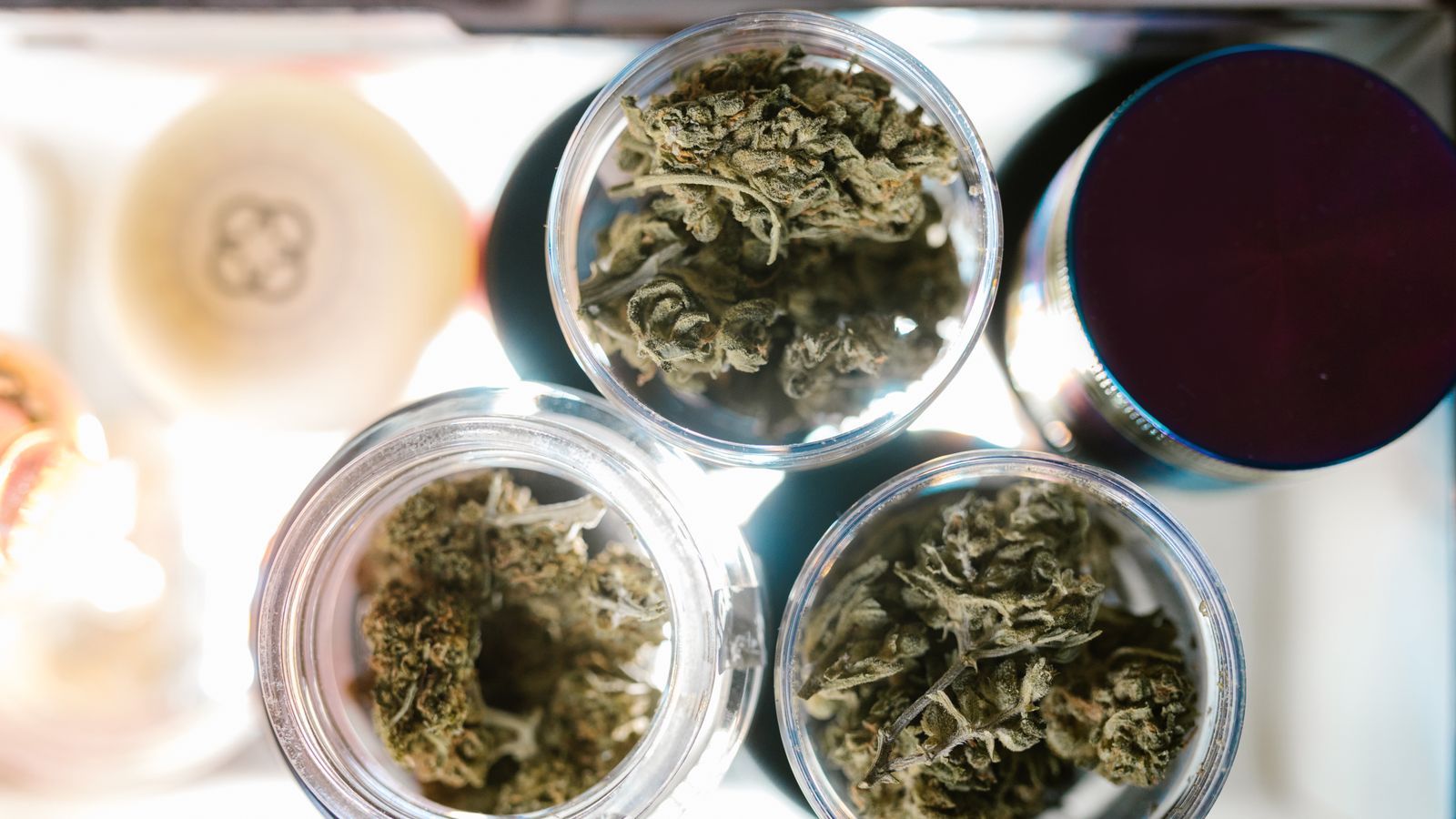
Illinois Expands Medical Cannabis Patient and Dispensary Access
State regulators broaden qualifying conditions and ease dispensary location rules effective immediately.
More from the newsroom
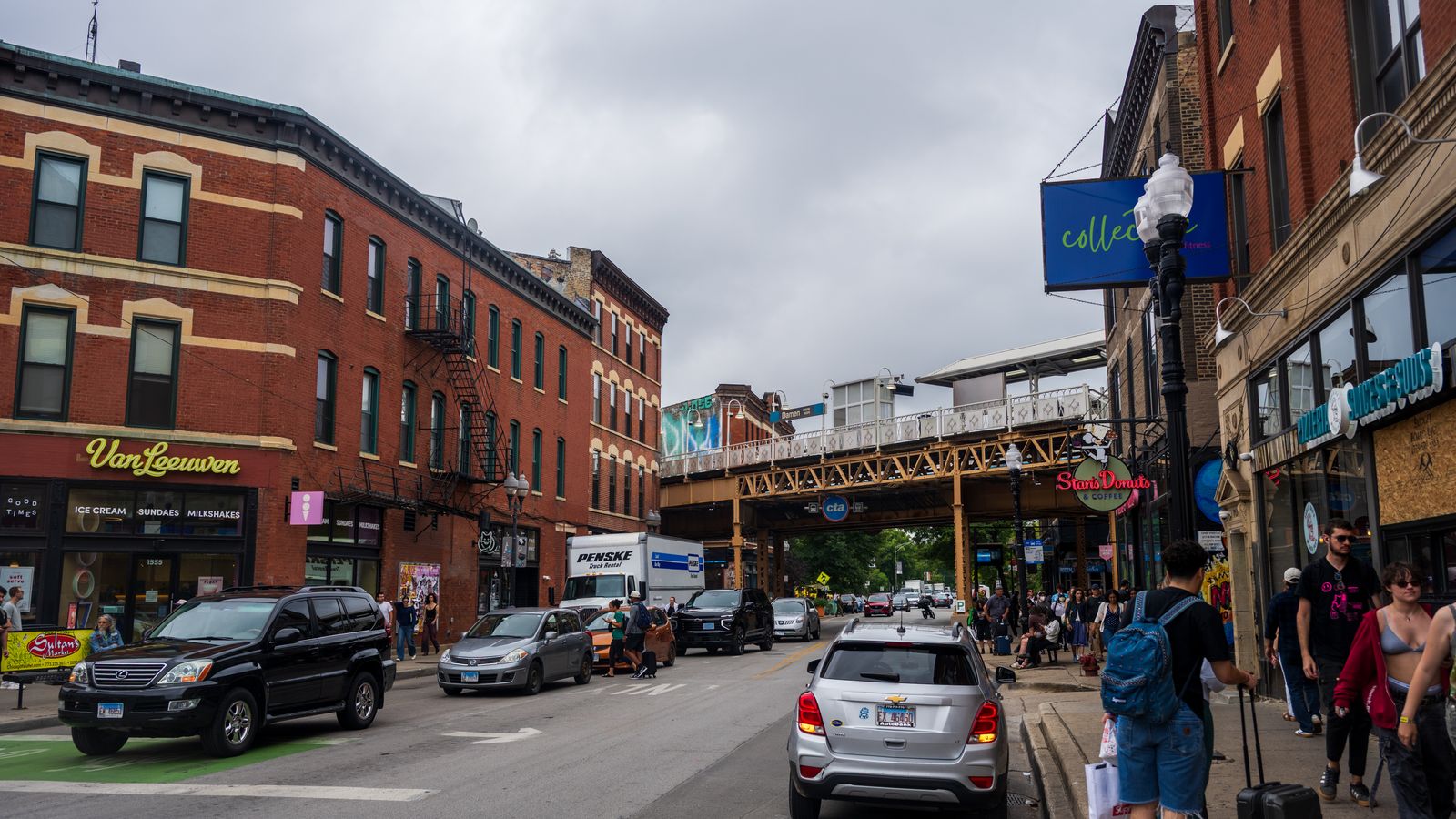
Illinois Approves 37 Dispensaries for Medical Cannabis in Decade's Largest Expansion
State officials issue dual-use licenses to existing adult-use retailers under 2026 omnibus cannabis law.

Marijuana Rescheduling Could Generate $5B in Federal Revenue Annually
Moving cannabis to Schedule III would eliminate IRC §280E tax penalties, generating billions in new federal income tax revenue from previously disallowed deductions.
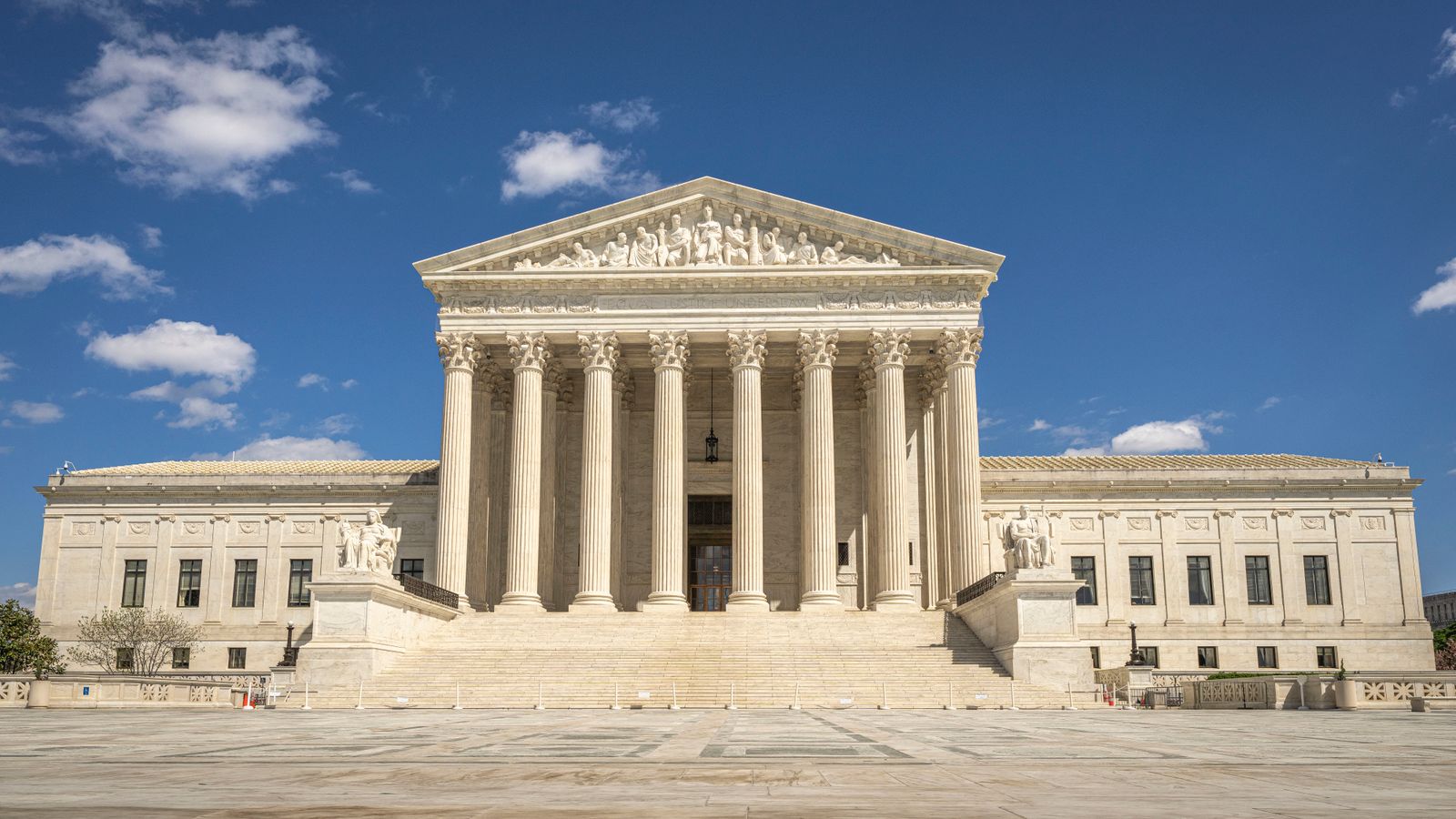
DEA denies petition to block Schedule III medical cannabis rescheduling
The agency rejected a legal challenge seeking to halt the Trump administration's proposed move of medical marijuana from Schedule I to Schedule III.