Illinois Approves 37 Dispensaries for Medical Cannabis in Decade's Largest Expansion
State officials issue dual-use licenses to existing adult-use retailers under 2026 omnibus cannabis law.
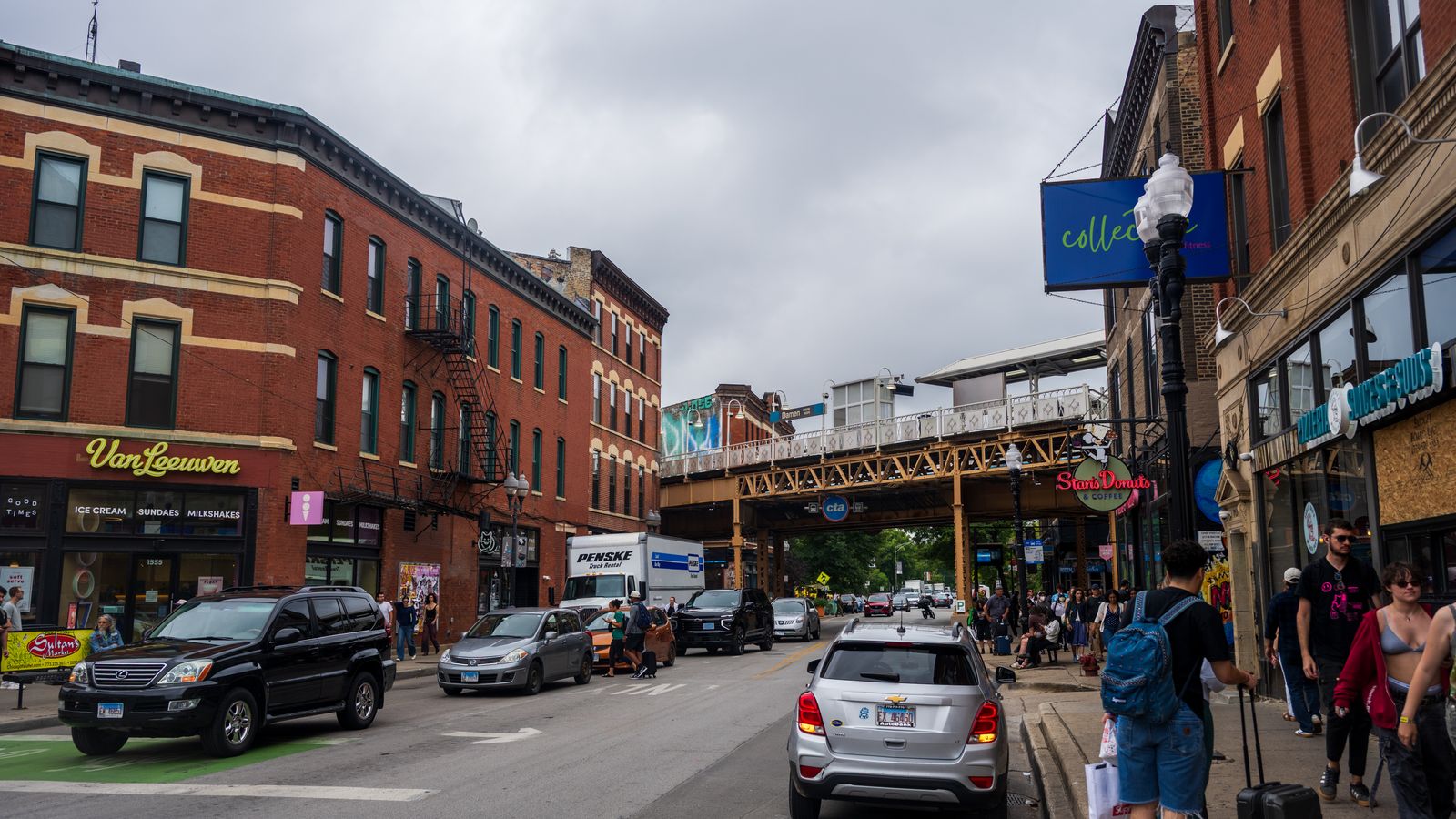
Vibrant Chicago street scene with shops, cars, pedestrians, and elevated train track overhead.
Dual-Use License Expansion Under 2026 Omnibus Law
Illinois issued 37 medical cannabis licenses to adult-use dispensaries on September 10, 2026, under authority granted by the state's 2026 omnibus cannabis reform bill. The expansion lets existing recreational retailers serve medical cardholders without opening new storefronts. The dual-use framework preserves the state's existing dispensary footprint while broadening patient access points.
Governor Pritzker signed the omnibus bill into law in August 2026. The legislation consolidated several regulatory changes, including the medical license pathway for adult-use operators. Illinois officials characterized the approval as the "biggest expansion" of the medical program since the state launched adult-use sales in January 2020.
Regulatory Framework for Dual-Use Operations
Dual-use licensees must maintain separate inventory tracking and point-of-sale systems for medical and adult-use products under Illinois Department of Financial and Professional Regulation (IDFPR) rules. Medical cannabis remains subject to lower sales tax rates than adult-use products:
- Medical cannabis: 1% state excise tax plus local sales tax (typically 6.25–10.25% combined)
- Adult-use cannabis: 10–25% state excise tax (tiered by THC concentration) plus 7% gross receipts tax plus local sales tax
Operators must verify patient registry cards at the point of sale. The Illinois Department of Public Health maintains the medical cannabis patient registry, which contained approximately 145,000 active cardholders as of June 2026.
Market Impact and Operator Economics
The dual-use model allows dispensaries to capture medical sales without the capital expense of opening a second location, improving unit economics for license holders. Medical patients typically purchase higher volumes per transaction than adult-use customers. The lower tax burden on medical products can drive incremental revenue for operators serving both segments.
Dual-use licenses reduce overhead while expanding the addressable patient base for existing footprints—a margin-accretive shift for Illinois MSOs.
Illinois adult-use dispensaries generated $1.87 billion in sales in 2025, according to IDFPR data. Medical sales totaled $312 million in the same period. The 37 new dual-use licenses represent approximately 18% of the state's 205 active adult-use dispensaries.
Patient Access and Geographic Distribution
The approved licenses expand medical access in underserved counties where adult-use dispensaries operate but no dedicated medical retailers were previously licensed. Illinois law doesn't publish the specific addresses of newly approved dual-use locations, but IDFPR confirmed the licenses span multiple counties outside the Chicago metropolitan area.
Medical cardholders retain purchase limits of 2.5 ounces of flower per 14-day period—double the adult-use limit of 30 grams (approximately 1 ounce) per transaction. Patients with debilitating conditions may qualify for higher possession limits under physician recommendation.
Next Steps and Ongoing Regulatory Activity
IDFPR will conduct compliance audits of newly licensed dual-use dispensaries within 90 days of activation, focusing on inventory segregation and tax remittance accuracy. The agency hasn't announced a timeline for additional dual-use license rounds, though the omnibus statute doesn't cap the number of conversions.
For ongoing coverage of Illinois licensing, tax policy, and market data, see the CannIntel topic hub on the Illinois cannabis market. The state's next quarterly revenue report is due in mid-October 2026, which will provide the first sales data reflecting dual-use operations.
Sources
The cannabis newsletter you forward to your team.
Federal policy, market data, grower alerts, and the one story that matters today. Sent every weekday at 7am. Free.
No spam. Unsubscribe with one click. 21+ only.
Related from Business

States Earn $15 Billion in Cannabis Tax Revenue Over Five Years
U.S. Census Bureau data shows $3.5 billion collected in the last year alone, with collections rising steadily since Q3 2021.
Cannabis Businesses Push for Financial Access as Federal Policy Shifts
Industry operators and trade groups are lobbying for expanded banking services following recent federal regulatory changes.

French Quarter Opens First Cannabis Dispensary in New Orleans History
A medical marijuana pharmacy has opened in the historic French Quarter, marking a retail milestone for Louisiana's cannabis program.
More from the newsroom

Federal hemp ban threatens 225,000 jobs, $8.9B in wages by December
USDA final rule set for Dec. 11 enforcement targets intoxicating hemp products, projecting $28.3 billion retail revenue loss.

Boston Globe Editorial Defends Massachusetts Cannabis Program
Editorial board argues outside opposition should not derail state's legal market.

Boston Globe Editorial Calls Massachusetts Recreational Legalization a Mistake
The state's largest newspaper argues eight years of adult-use cannabis have produced unintended consequences that outweigh promised benefits.