Cannabis Businesses Push for Financial Access as Federal Policy Shifts
Industry operators and trade groups are lobbying for expanded banking services following recent federal regulatory changes.
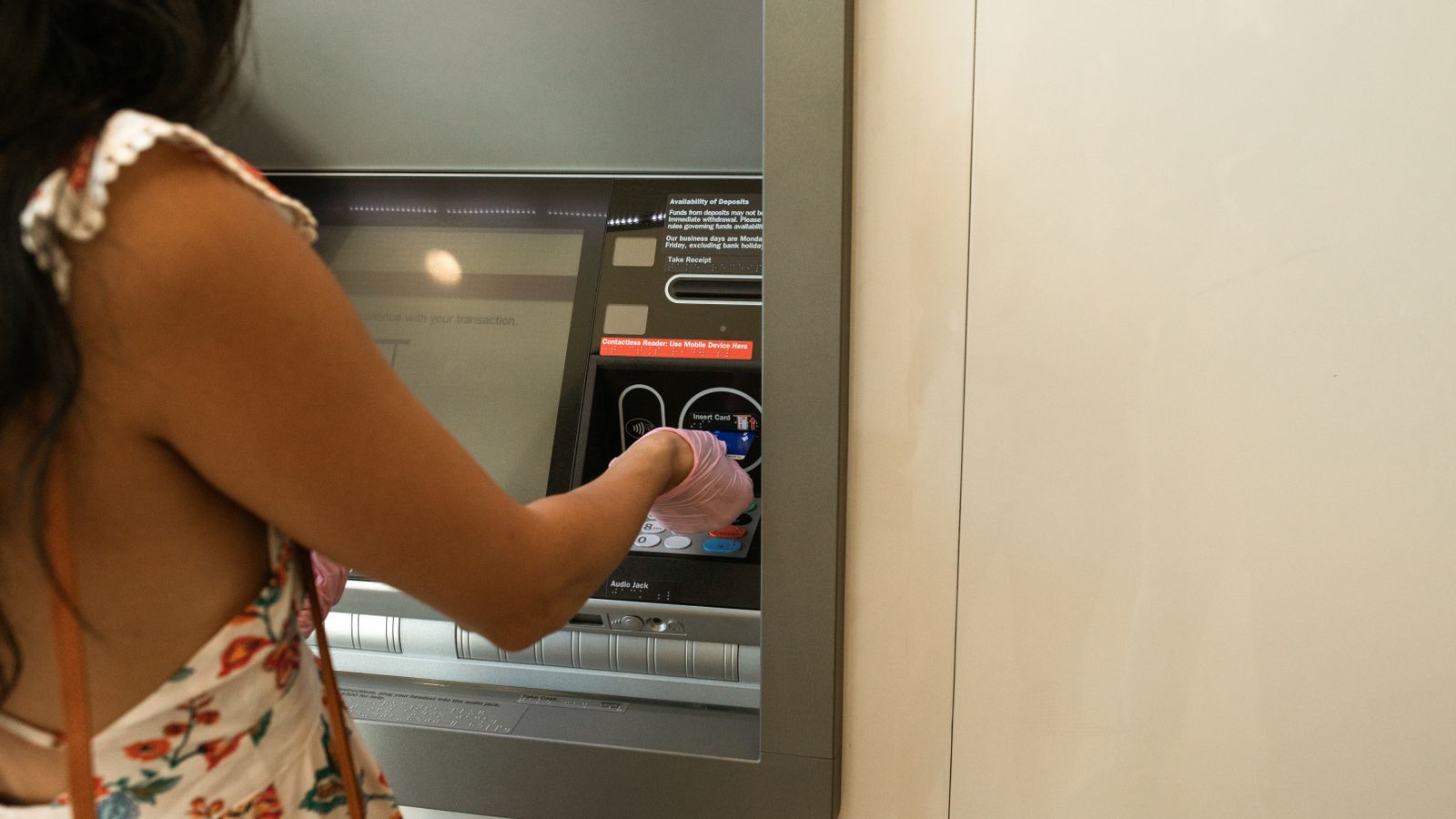
Woman using an ATM machine while wearing protective gloves indoors.
Banking Access Remains Industry's Top Operational Barrier
Cannabis operators still rely on cash-intensive operations despite federal enforcement shifts, creating security risks and limiting growth capital. The industry continues to operate largely outside traditional banking rails, with fewer than 700 banks and credit unions serving state-legal cannabis clients as of Q2 2026, according to FinCEN quarterly reports.
Dispensaries and cultivators report spending $50,000 to $200,000 annually on cash management infrastructure including armored transport, vault systems, and security personnel. Payment processing remains fragmented. It's split across cashless ATM systems, debit workarounds, and limited point-of-sale integrations.
The operational friction extends beyond retail. Multistate operators cite difficulty securing merchant accounts, business loans, and treasury management services that non-cannabis businesses access routinely.
SAFE Banking Act Stalls Despite Rescheduling Momentum
The Secure and Fair Enforcement (SAFE) Banking Act has failed to advance in Congress despite bipartisan support and DEA rescheduling proceedings. The bill would prohibit federal regulators from penalizing banks that serve state-legal cannabis businesses. It passed the House seven times between 2019 and 2025 but never cleared the Senate.
Industry lobbyists are now pursuing alternative legislative vehicles including:
- Attachment to must-pass appropriations bills
- Inclusion in broader financial services reform packages
- State-level credit union charter expansions
- Regulatory guidance from the Federal Reserve and FDIC
The National Cannabis Industry Association and American Bankers Association continue joint advocacy, but Senate leadership hasn't scheduled floor votes.
Payment Processors and Fintechs Fill the Gap
Third-party payment platforms have captured 40% of cannabis transaction volume by building compliant rails around federal restrictions. Companies including Aeropay, Dutchie Pay, and PayRollGuru process cannabis payments through ACH transfers, PIN debit networks, and integrated POS systems that bypass card-network prohibitions.
These solutions carry trade-offs. Transaction fees range from 2.5% to 4.5% compared to 1.5% to 2.5% for standard credit card processing. Settlement times stretch 3 to 5 business days versus next-day funding for traditional merchants. Chargebacks remain difficult to contest without card-network dispute resolution frameworks.
Several regional banks have launched cannabis banking divisions with enhanced compliance infrastructure, including Partner Colorado Credit Union and Salal Credit Union. Capacity remains constrained by federal uncertainty.
Federal Rescheduling May Not Unlock Banking Access
DEA's proposed move to reschedule cannabis from Schedule I to Schedule III wouldn't automatically resolve banking barriers, according to regulatory analysts. The Bank Secrecy Act and anti-money laundering requirements would still classify cannabis proceeds as potentially suspicious, requiring enhanced due diligence and Suspicious Activity Reports.
True banking normalization requires either congressional action through SAFE Banking or a complete federal descheduling that removes cannabis from the Controlled Substances Act entirely. That path faces longer odds despite growing state-level momentum.
For comprehensive background on this evolving regulatory situation, see the CannIntel topic hub on cannabis banking access.
Two near-term catalysts bear watching: the Senate Banking Committee's fall hearing schedule and any guidance from the Federal Reserve following DEA's final rescheduling rule.
Frequently asked questions
Why can't cannabis businesses use regular banks?
Federal law still classifies cannabis as a controlled substance, making cannabis revenue potentially subject to anti-money laundering rules. Banks risk federal penalties for serving cannabis clients, so most refuse accounts despite state legalization.
What is the SAFE Banking Act?
The Secure and Fair Enforcement Banking Act would prohibit federal regulators from penalizing banks that serve state-legal cannabis businesses. It has passed the House seven times but never cleared the Senate.
How do cannabis dispensaries process payments without banks?
Most use cash, cashless ATM systems, or third-party payment processors that route transactions through PIN debit networks and ACH transfers. These workarounds cost 2.5%-4.5% per transaction versus 1.5%-2.5% for standard credit cards.
Will DEA rescheduling solve cannabis banking problems?
No. Moving cannabis from Schedule I to Schedule III doesn't remove Bank Secrecy Act requirements or anti-money laundering obligations. Full banking access requires congressional action or complete federal descheduling.
Which banks currently serve cannabis businesses?
Fewer than 700 banks and credit unions nationwide, including Partner Colorado Credit Union and Salal Credit Union. Most require enhanced compliance programs and charge higher fees than standard commercial accounts.
Sources
The cannabis newsletter you forward to your team.
Federal policy, market data, grower alerts, and the one story that matters today. Sent every weekday at 7am. Free.
No spam. Unsubscribe with one click. 21+ only.
Related from Business
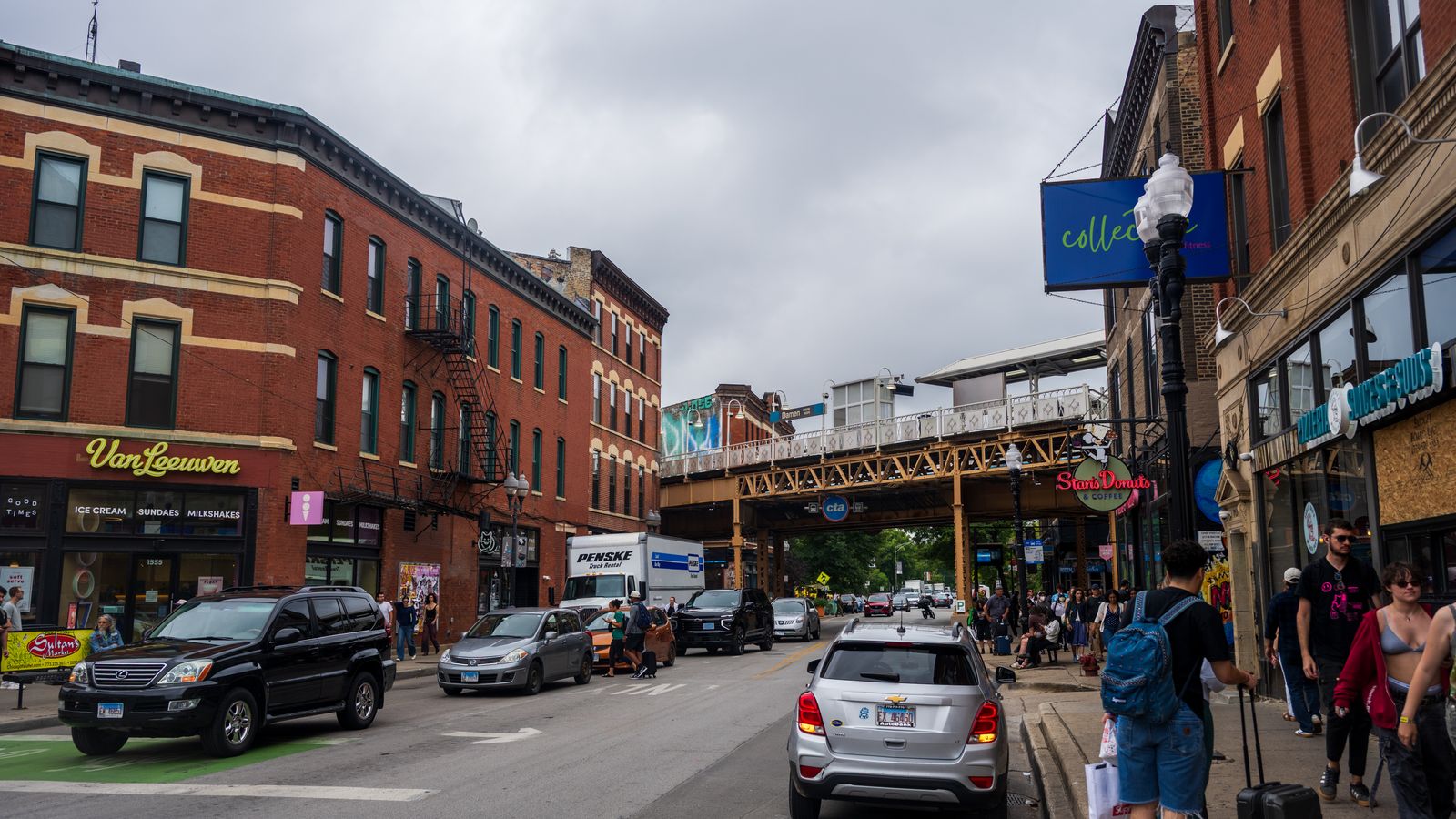
Illinois Approves 37 Dispensaries for Medical Cannabis in Decade's Largest Expansion
State officials issue dual-use licenses to existing adult-use retailers under 2026 omnibus cannabis law.

States Earn $15 Billion in Cannabis Tax Revenue Over Five Years
U.S. Census Bureau data shows $3.5 billion collected in the last year alone, with collections rising steadily since Q3 2021.

French Quarter Opens First Cannabis Dispensary in New Orleans History
A medical marijuana pharmacy has opened in the historic French Quarter, marking a retail milestone for Louisiana's cannabis program.
More from the newsroom

Boston Globe Editorial Calls Massachusetts Recreational Legalization a Mistake
The state's largest newspaper argues eight years of adult-use cannabis have produced unintended consequences that outweigh promised benefits.
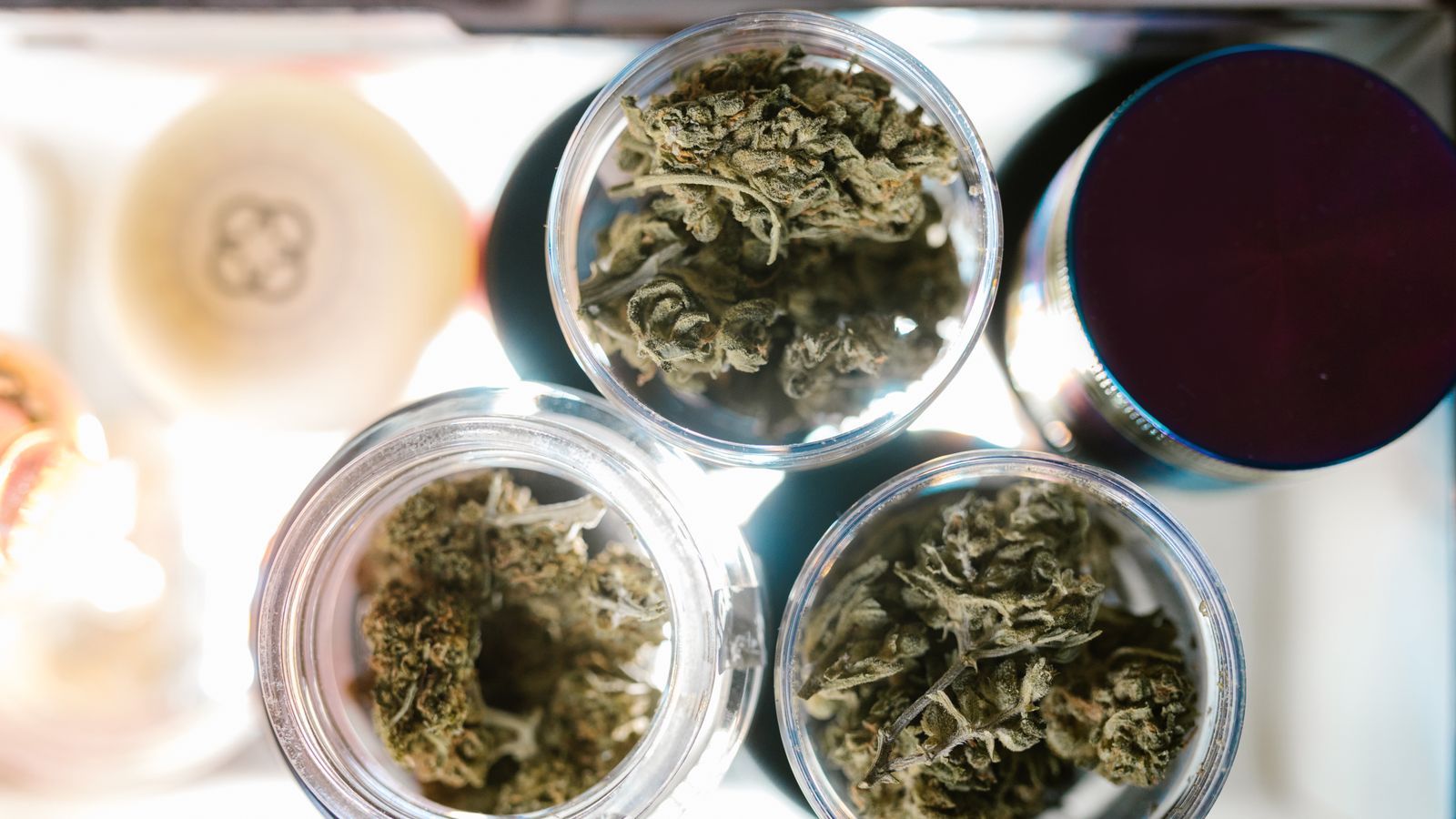
Illinois Expands Medical Cannabis Patient and Dispensary Access
State regulators broaden qualifying conditions and ease dispensary location rules effective immediately.

Marijuana Rescheduling Could Generate $5B in Federal Revenue Annually
Moving cannabis to Schedule III would eliminate IRC §280E tax penalties, generating billions in new federal income tax revenue from previously disallowed deductions.