DEA denies petition to block Schedule III medical cannabis rescheduling
The agency rejected a legal challenge seeking to halt the Trump administration's proposed move of medical marijuana from Schedule I to Schedule III.
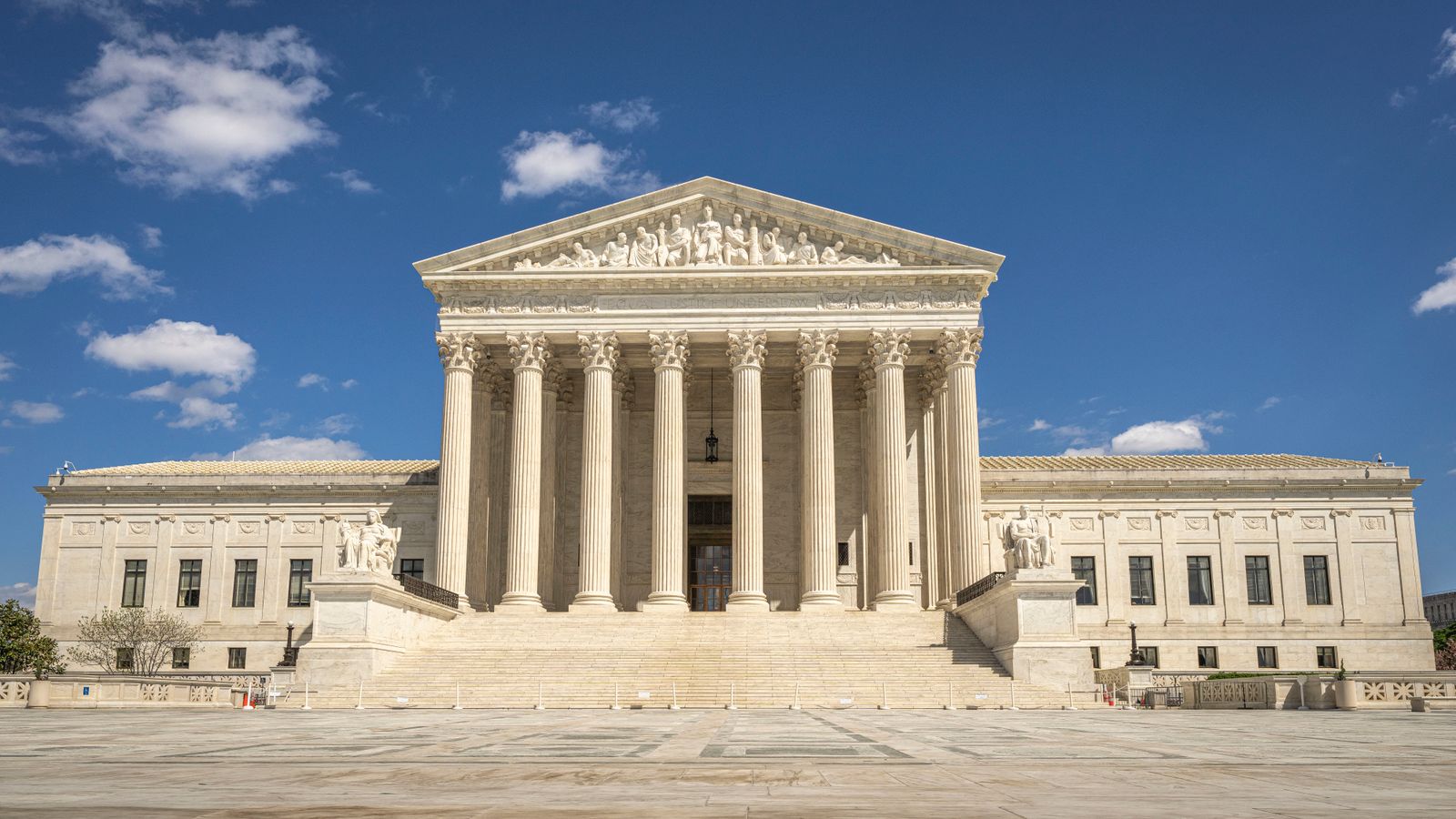
The majestic facade of the United States Supreme Court under a clear blue sky.
DEA rejects procedural challenge to medical marijuana NPRM
The DEA denied a petition filed by opponents of rescheduling who argued the agency lacked authority to move medical cannabis to Schedule III. Petitioners submitted it under the Administrative Procedure Act, hoping to halt the rulemaking process before the public comment period closed. DEA's rejection means the NPRM—published in the Federal Register in May 2026—will proceed to final rule status without this legal obstacle.
Opponents argued that the Controlled Substances Act (21 U.S.C. § 812) doesn't permit rescheduling of a substance with no federally accepted medical use. DEA countered that HHS's August 2023 recommendation, based on an FDA scientific review, established sufficient evidence of accepted medical use for cannabis in treating certain conditions.
Schedule III classification would preserve federal prohibition but ease tax burden
Rescheduling medical cannabis to Schedule III would maintain federal criminal penalties but eliminate the Internal Revenue Code Section 280E tax burden that currently blocks state-legal operators from deducting ordinary business expenses. Cannabis businesses would gain access to standard federal tax deductions. Multi-state operators could save tens of millions annually.
Schedule III substances—including ketamine, anabolic steroids, and certain opioid combination products—remain federally controlled but carry lower criminal penalties than Schedule I or II. Medical use is permitted under prescription. The proposed rule would apply only to cannabis products meeting state medical-marijuana program requirements, while adult-use products would remain Schedule I.
Public comment period closed with over 43,000 submissions
The NPRM's public comment period closed on July 22, 2026 with 43,770 submissions logged in docket DEA-407. Industry groups, state regulators, medical associations, and individual patients all weighed in. Under the Administrative Procedure Act, the DEA must review and respond to substantive comments before publishing a final rule.
Key industry trade groups—including the National Cannabis Industry Association and the U.S. Cannabis Council—urged the DEA to expedite finalization. Several state attorneys general, including those from California, New York, and Illinois, submitted comments supporting rescheduling but requesting clarification on interstate commerce rules under Schedule III.
Timeline to final rule remains uncertain as election nears
The DEA hasn't announced a target date for the final rule, and the November 2026 presidential election adds uncertainty to the timeline. If the Trump administration finalizes the rule before January 2027, it would take effect 30 to 60 days after Federal Register publication. A new administration could delay or withdraw the rule under the Congressional Review Act if finalization happens after a potential change in leadership.
Legal observers note that finalizing the rule before the election would insulate it from immediate reversal. A rule finalized in late 2026 would survive into 2027 even if a new administration took office, though it could still be challenged in federal court or revised through a new rulemaking process.
Litigation risk persists even after final rule publication
Even if the DEA publishes a final rule, opponents are expected to file suit in federal court challenging the agency's interpretation of the Controlled Substances Act. Potential plaintiffs include anti-legalization advocacy groups and law enforcement organizations that have historically opposed any relaxation of cannabis scheduling.
Challenges would likely be filed in the U.S. Court of Appeals for the D.C. Circuit, which has jurisdiction over most federal agency actions. Legal experts estimate litigation could take 18 to 24 months to resolve. During that time, the final rule would remain in effect unless a court issues a stay. For full background on this process, see the CannIntel topic hub on DEA rescheduling.
The next procedural milestone: publication of the final rule in the Federal Register. Industry stakeholders are watching for any signal from DEA Administrator Anne Milgram on timing.
For complete background, history, and our ongoing coverage of this story:
Open the CannIntel topic hub →Frequently asked questions
What does Schedule III mean for medical cannabis?
Schedule III maintains federal criminal penalties but allows medical use under prescription and ends the 280E tax prohibition that blocks state-legal operators from deducting business expenses. Adult-use cannabis would remain Schedule I.
When will the DEA finalize the rescheduling rule?
The DEA has not announced a target date. The agency must review over 43,000 public comments before publishing a final rule. The November 2026 election adds uncertainty to the timeline.
Can the rescheduling rule still be blocked?
Yes. Opponents are expected to file federal court challenges even after a final rule is published. Litigation could take 18 to 24 months, though the rule would remain in effect unless a court issues a stay.
What was the basis of the petition the DEA denied?
Petitioners argued the Controlled Substances Act does not permit rescheduling of a substance with no federally accepted medical use. DEA rejected this, citing HHS's 2023 recommendation based on FDA's scientific review.
How much could Schedule III save cannabis operators in taxes?
Eliminating 280E would allow state-legal medical operators to deduct ordinary business expenses, potentially saving multi-state operators tens of millions of dollars annually depending on revenue and expense structure.
Sources
The cannabis newsletter you forward to your team.
Federal policy, market data, grower alerts, and the one story that matters today. Sent every weekday at 7am. Free.
No spam. Unsubscribe with one click. 21+ only.
Related from Laws

Boston Globe Editorial Calls Massachusetts Recreational Legalization a Mistake
The state's largest newspaper argues eight years of adult-use cannabis have produced unintended consequences that outweigh promised benefits.
Illinois Expands Medical Cannabis Patient and Dispensary Access
State regulators broaden qualifying conditions and ease dispensary location rules effective immediately.

Marijuana Rescheduling Could Generate $5B in Federal Revenue Annually
Moving cannabis to Schedule III would eliminate IRC §280E tax penalties, generating billions in new federal income tax revenue from previously disallowed deductions.
More from the newsroom
Illinois Approves 37 Dispensaries for Medical Cannabis in Decade's Largest Expansion
State officials issue dual-use licenses to existing adult-use retailers under 2026 omnibus cannabis law.

Henrico Begins Work on Cannabis Zoning Rules as Development Cases Stall
County planners will draft dispensary and cultivation setback rules while deferring two Hadad's Lake redevelopment proposals.

Supreme Court Cannabis Case Threatens Michigan State Tax Deductions
A pending Supreme Court case could bar state-level tax deductions for cannabis businesses, raising effective tax rates in Michigan and 37 other legal states.